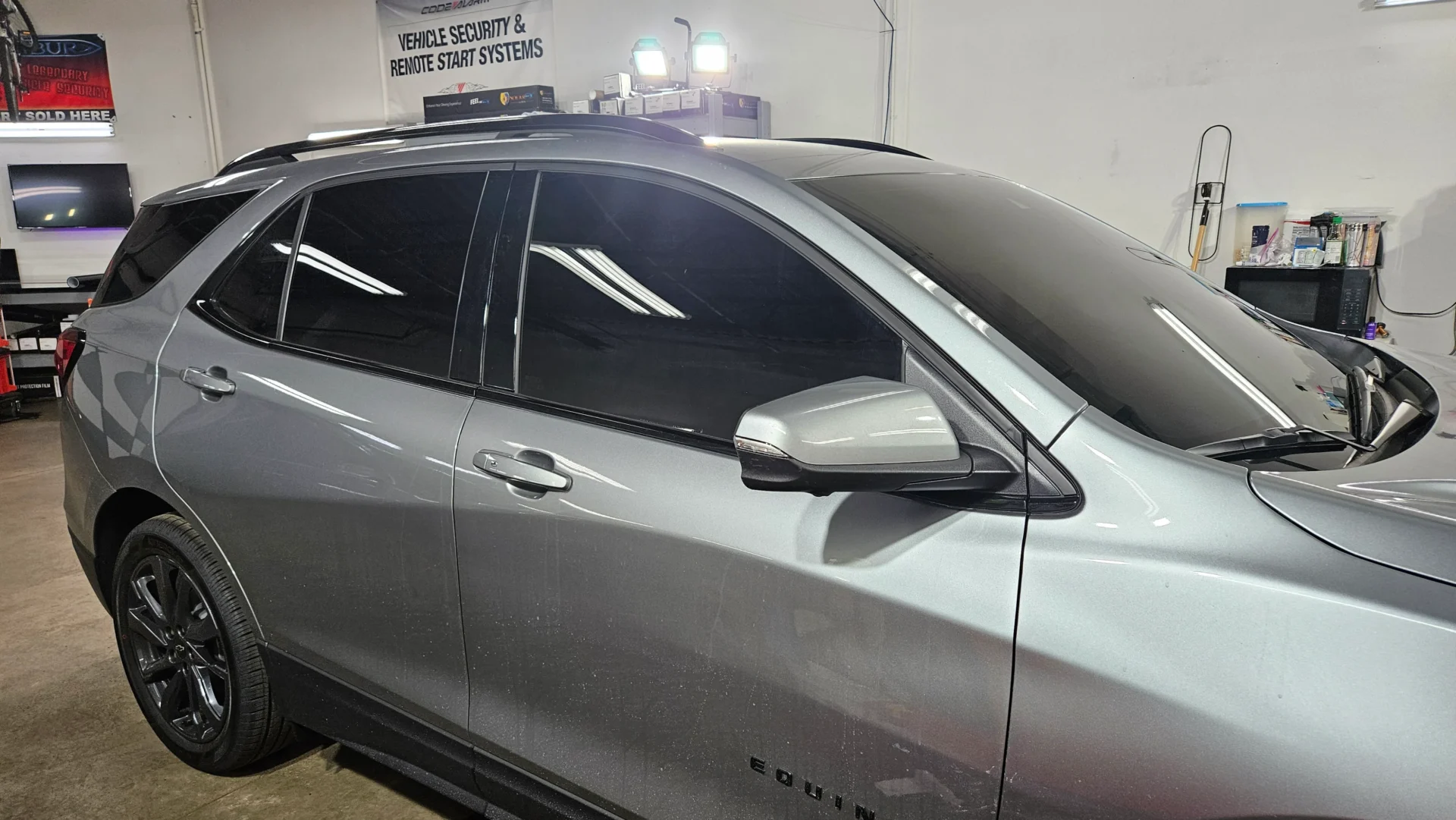
You want a tint that keeps your car cool, protects the interior, and actually follows Minnesota law. Go with a medium-dark ceramic or carbon-ceramic shade—these hit the sweet spot for heat rejection, UV protection, and visibility. A ceramic or carbon-ceramic tint in the mid-range darkness blocks heat and UV rays well, without making night driving or legal compliance a headache.
Let’s get into which shade levels actually meet Minnesota rules, how different tint materials hold up through sun and snow, and what you should ask a pro installer. Polarizauto’s got the know-how and can handle the details if you want the job done right.
Minnesota Window Tint Laws
Minnesota sets specific limits on how dark and reflective your car windows can be. The rules depend on window position and vehicle type, and there are medical exemptions if you need darker tint for health reasons.
Legal Visible Light Transmission Limits
Visible Light Transmission (VLT) is just the percentage of light a tint lets through. For front side windows, Minnesota requires at least 50% VLT—so at least half the light has to get in.
Rear side windows and the rear windshield can go darker. A lot of cars use 20–35% VLT on those and still pass inspection. Minnesota also doesn’t allow super-reflective tints; they want officers and other drivers to see inside if needed.
If you already have factory tint, remember that added film stacks onto the existing VLT. Not sure about a shade? Measure it with a meter or just ask a professional installer before you hit the road.
Regulations for Sedans and SUVs
Sedans and SUVs have the same VLT rules for front and rear side windows, but rear windshield rules can shift depending on the vehicle’s design. If your SUV’s rearview mirror gives you a clear look through the back glass, you can usually go darker there than in cars with limited rear visibility.
The law’s all about keeping drivers’ sightlines clear and making things safe for law enforcement. Windshield tint is basically limited to a strip at the top—no full windshield tinting. Don’t use films that mess with your side mirrors or safety features like defrosters and sensors.
Tell your installer what you drive. A pro—like the folks at Polarizauto—will pick films that match Minnesota rules and still give you heat control and privacy.
Medical Exemptions
If you’ve got a medical condition that sunlight makes worse, Minnesota lets you get a medical exemption for darker tint. You’ll need a written statement from a licensed doctor explaining the condition and why you need the extra tint.
You have to submit the doctor’s form to the state and keep a copy in your car. The allowed VLT can go lower than the standard, but you’re still on the hook for reflectivity and other safety rules.
Always keep that exemption paperwork in your glovebox. If you get pulled over, showing it saves you from tickets and hassle.
Top Tint Shades for Minnesota Weather
Pick a tint that handles heat and UV in the summer, adds privacy, and stays clear through winter. Ceramic or high-quality dyed films with the right VLT and a neutral color give you the best value all year.
Best Tint Shade for Sun Protection
A ceramic tint with 35% VLT or a bit darker offers solid heat control in the daytime without making your cabin feel like a cave. Ceramic tints are great at blocking infrared and UV rays, so your seats, dash, and electronics last longer and stay cooler.
Look for films that advertise 99%+ UV rejection and at least 40–70% infrared rejection. Those numbers matter more than just how dark the tint looks.
Get it installed right—bubbles and gaps ruin the effect. For most Minnesota windows, ceramic at 20–35% VLT hits the comfort and legal sweet spot.
Tint Levels for Privacy
Lower VLT means more privacy. On rear side and back windows, 15–35% VLT is a popular choice in Minnesota—it hides valuables but stays legal. The front side windows have stricter rules, so double-check before picking your level.
You can mix it up: darker in the back, lighter in the front. That keeps your view clear for driving and still protects your stuff. Watch out for winter glare—too dark up front can make things tricky on snowy days.
If you park on the street or leave things in your car, 15% VLT in the rear is a solid move for privacy and practicality.
Tint Colors Suitable for Cold Climates
Stick with neutral or gray tints instead of mirrored or heavy metallic films—Minnesota’s weather changes fast. Neutral gray keeps colors true, which helps you spot signals and hazards in low light or snow.
Ceramic gray or near-clear films don’t fade much and won’t mess with your GPS or cell signal. Metallic tints can corrode or even create hot spots on winter ice, so it’s better to avoid them.
If you want a good look and real function, try a ceramic film in graphite or gray, 20–35% VLT. It’ll handle snow, sun, and the test of time. Polarizauto can help you pick something that fits both the law and your comfort.
Benefits of Choosing the Right Tint Shade
The right tint shade keeps your car cooler, protects the interior, and makes those bright Minnesota days a little easier on the eyes. And yeah, it keeps you legal.
Enhancing Comfort and Safety
A good tint blocks solar heat, so your AC doesn’t have to work as hard and you might even save a bit on gas. Ceramic or carbon films do a great job here—look for high heat rejection numbers, but don’t go so dark you run into legal trouble.
Tint blocks up to 99% of UV rays, slowing down fading and protecting your skin. It also cuts glare from headlights at night, but don’t go overboard on darkness up front—Minnesota’s VLT laws are strict for safety. A pro shop like Polarizauto will get the coverage right and avoid annoying bubbles.
Reducing Glare on Minnesota Roads
Low sun, snow, and wet roads can blind you for a second—nobody likes that. Medium tint with anti-reflective properties cuts glare but keeps your view clear at dawn and dusk. Look for films with high visible light transmission up front, and maybe darker in the rear.
Ceramic and polarized tints reduce glare without messing up color, so you can still read traffic lights and signs. Keep your glass clean—streaks make glare worse. If you drive a lot at sunrise or sunset, ask your installer for a film that’s proven to cut glare and still legal in Minnesota.
Popular Tint Materials and Technologies
You want tint that blocks heat, stops UV, and holds up through Minnesota’s wild weather. Pick your film based on what you need: budget, performance, and whether you care about signal interference or fading.
Ceramic vs. Dyed Tints
Ceramic tint uses microscopic ceramic particles to block heat and UV—no metal, no signal issues. It’s clear, tough, and doesn’t fade. Costs more upfront, but your car stays cooler and your interior lasts longer. Ceramic’s worth it if you want the best.
Dyed tint uses layers of dye to darken the glass. It’s cheaper and looks sharp at first, but it can fade, bubble, or peel after a few years—especially in summer sun.
If you want long-term comfort and don’t want to mess with your phone or GPS, go ceramic. If you’re on a tight budget and don’t mind replacing tint sooner, dyed film works.
UV-Blocking Films
UV-blocking films protect your skin and your car’s interior. Look for at least 99% UVA and UVB blockage to keep your dash from cracking and your seats from fading. Ceramic and carbon films usually include strong UV protection by default.
Check the actual UV block rating on the film—not just the marketing. Make sure your chosen darkness is still legal. A pro install helps the film last and keeps the UV protection from peeling at the edges.
Polarizauto can recommend films that balance UV, heat, and legal compliance for Minnesota.
Maintaining Your Car’s Tint in Minnesota
Keep your tint clean and protected so it survives the sun, snow, and salt. A little care goes a long way—small habits and seasonal checks stop bubbling and fading.
Cleaning Tips for Tinted Windows
Use a soft, lint-free microfiber cloth with a mild, ammonia-free glass cleaner. Spray the cleaner on the cloth, not the glass—too much liquid at the edges can lift the film.
Wipe gently, straight lines only. Skip abrasive pads or scrubbing. For dust, rinse with plain water first to avoid scratching.
Sticky stuff like tar? Warm water and a drop of dish soap, let it soak a bit, then lift it gently. For stubborn messes, try a tint-safe cleaner your installer recommends.
Don’t roll down freshly tinted windows for about a week. Let the adhesive set so the tint bonds tight.
Protecting Tint from Harsh Weather
Minnesota winters are rough—ice, snow, salt. Use a soft plastic ice scraper, not metal, and go easy near the film’s edge.
Whenever you can, park in a garage or at least use a windshield sun shade in summer. That keeps temperature swings and UV down, so your tint lasts longer.
Rinse your glass often in winter to get rid of salt and grit. Salt eats away at tint edges and can trap moisture. Dry edges with a soft cloth after cleaning.
If you spot bubbling, peeling, or weird discoloration, get a pro to check it out. Shops like Polarizauto can tell if you need a repair or a full replacement, and they’ll match your original shade.
Choosing a Professional Tint Installer in Minnesota
Find an installer who knows Minnesota’s weather and roads. The mix of winter, salt, and summer sun makes a difference in how tint holds up.
Look for proof: certifications, before-and-after shots, real customer reviews. Ask how long they’ve been tinting cars and if they offer a warranty.
Ask what film types they use and why. A good installer won’t just push the most expensive option—they’ll break down the pros and cons in normal language.
Double-check legal compliance before you commit. Minnesota’s tint laws are strict, and a pro should know them inside out, plus show you the finished VLT numbers.
Ask about their process—will they prep the glass right, heat-treat the film, guarantee no bubbling? Small details make your tint last.
Compare prices, but don’t just chase the lowest bid. Paying a bit more for certified work and a real warranty can save you trouble later.
Shops like Polarizauto focus on hassle-free, pro service. Ask about turnaround times and whether they’ll handle rechecks or tweaks after install.
Bring your questions and jot down the answers. If they’re clear and upfront, you’ll feel better about the results.
Conclusion
Pick a tint shade that fits your needs—comfort, UV protection, and legal limits. Darker tints block more heat and give you privacy, but lighter ones keep visibility up and stay within the law.
Think about Minnesota’s weather and sunlight when you choose. Ceramic and carbon-ceramic films offer better heat rejection and last longer, especially in rough sun.
Balance the benefits with state laws. You want cooling and protection, but you don’t want a ticket or to fail inspection.
If you’re not sure, ask a pro for advice. Shops like Polarizauto can show you samples, explain warranties, and install tint with care.
A little aftercare goes a long way—skip harsh cleaners at first, clean gently, and try to park in the shade to keep your tint looking sharp.
Frequently Asked Questions
Got questions about tint laws, materials, how dark to go, finding a local installer, or what happens if you get pulled over? Let’s run through the basics so you can pick the best tint for your Minnesota ride.
What are the legal limitations for car window tinting in Minnesota?
Front side windows need to let in more than 50% of outside light.
Windshields? Only non-reflective tint above the AS-1 line or top 6 inches.
Rear side windows and the back windshield don’t have a state VLT limit, but commercial vehicles or certain local rules might surprise you.
If you have a medical exemption for darker tint, keep that paperwork and your insurance card handy.
How does ceramic tint compare to other types of window tinting for my vehicle?
Ceramic tint does a great job blocking heat and UV rays, and it won’t mess with your phone or GPS.
It holds up better over time—less bubbling, less fading—compared to dyed or metalized films.
Dyed film is cheaper but doesn’t block as much heat and tends to fade out. Metalized film bounces heat but can mess with your signals.
If you’re after comfort and don’t want to deal with interference, ceramic usually wins out.
What window tint percentage is considered as the optimal balance between privacy and visibility in Minnesota?
A 35% VLT on the side windows strikes a good balance—enough privacy but still easy to see at night.
It’s also pretty safe with most local enforcement for passenger cars.
Want more privacy? 20% is darker, but it might catch an officer’s eye.
Double-check your vehicle type and city rules before going super dark.
Can you recommend some reputable car window tinting services in the Minneapolis area?
Polarizauto in Ramsey, MN, does professional tinting, ceramic options, and careful installation.
Look for shops offering written warranties, before-and-after photos, and real local contact info.
Ask if they’ve worked through Minnesota winters and how they prep windows for long-lasting adhesion.
See if they handle inspections or can give you service records for insurance or resale—always a plus.
How likely is it that I’ll be stopped by authorities for having a 35% tint on my vehicle in Minnesota?
Chances are low you’ll get stopped for 35% tint on rear and back windows.
Front side windows with 35% are under the 50% limit, so you’re usually in the clear.
Some cities and officers are stricter than others. Keeping proof of compliance in your glove box is smart in case you do get pulled over.
If your tint’s peeling, uneven, or throwing off glare, though, you’re more likely to get flagged.
What factors should I consider when choosing window tint in climates like Minnesota’s?
First off, you’ll want to look at how well the tint blocks heat during those surprisingly warm summer days, and make sure it offers solid UV protection to help keep your car’s interior from fading.
Pick films that won’t crack or peel when winter gets brutal—ask the installer about how the tint holds up through all those freeze–thaw cycles.
Nighttime visibility matters a lot for safe driving, so try to avoid anything too dark. Some tints can mess with your car’s antennas or sensors, so double-check that too.
Honestly, it’s smart to look at the warranty, see what people say about the shop, and find out if they’ll actually replace bubbling or damaged tint down the road.