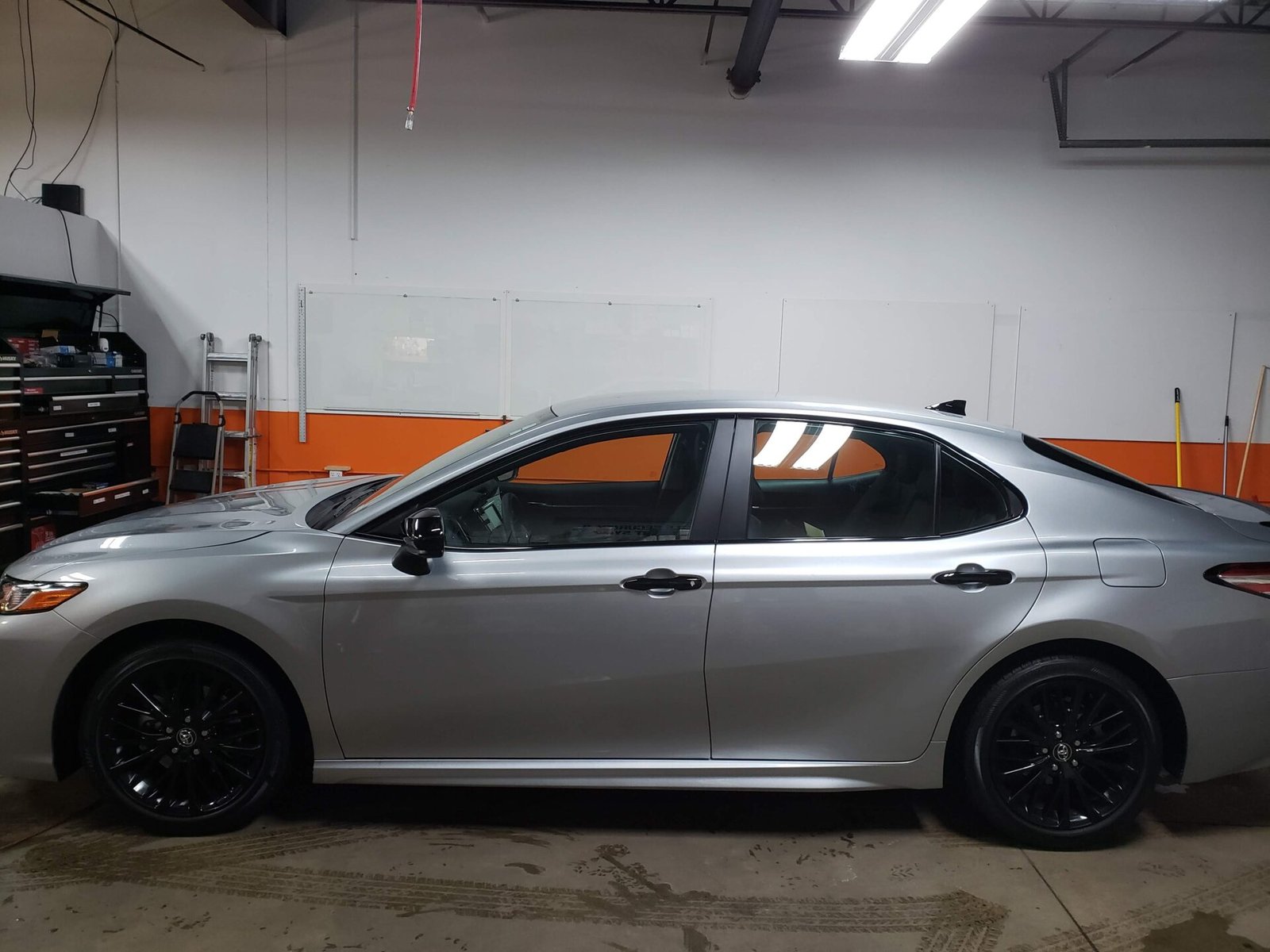
Ceramic window tint is one of the best upgrades for Minnesota drivers who want comfort, UV protection, and lasting clarity. It blocks heat and glare while keeping your view sharp, making every drive cooler and safer.
At Polarizauto in Ramsey, MN, our technicians install premium ceramic tints designed for long-term performance. We focus on precise installation to enhance visibility and keep your vehicle compliant with local tint laws.
This article explains what ceramic tint is, how it works, and why it’s different from regular tint. You’ll learn about its benefits, cost, and what to know before installation—so you can decide confidently.
Understanding Ceramic Window Tint
Ceramic window tint uses special materials to block heat and harmful UV rays, while keeping your view clear. It offers better protection and comfort than regular tint and lasts longer without fading or interfering with signals.
What Makes Ceramic Window Tint Unique
Ceramic tint is made from tiny, non-metallic ceramic particles. Unlike traditional tints that rely on dyes or metals, these ceramic particles do not block radio or GPS signals. This means your phone and navigation systems will work without interruption.
The ceramic particles also provide strong heat rejection. They can block up to 50% to 60% of solar heat, making your car interior cooler in the summer. Plus, ceramic tint shields up to 99% of UV rays, helping protect your skin and your car’s interior from fading.
Trusted stores use top-quality ceramic films that combine durability with clear visibility. You get a professional finish with real benefits.
How Ceramic Window Tint Works
Ceramic window tint works by reflecting and absorbing sunlight using its nano-ceramic particles. These particles scatter infrared light and block UV rays from entering your vehicle. This reduces the heat that builds up inside without darkening your windows too much.
Because ceramic tint isn’t made with metals, it won’t interfere with electronic signals. This makes it a better choice if you use Bluetooth, radio, or GPS while driving. The tint can also reduce glare, which makes driving safer and more comfortable.
It maintains a clear view outside, which means better visibility, especially in bright conditions.
Types of Ceramic Window Tint
Ceramic window tints come in several varieties based on how much light they block and the colors available.
You can find:
- Clear ceramic tint: Offers heat and UV protection without changing the window color.
- Light ceramic tint: Slightly darkens windows while providing comfort and sun protection.
- Dark ceramic tint: Gives stronger heat rejection and privacy with a darker look.
Your choice depends on your preferences, local laws, and how much heat or light you want to block. Experts can help you pick the right film based on your needs and get the job done right for your car in Anoka County or the Minneapolis area.
Benefits of Ceramic Window Tint
Ceramic window tint offers several advantages that can improve your driving experience and protect your vehicle. It helps keep your car cooler, protects your skin, and maintains the look of your windows over time.
Heat Reduction and UV Protection
Ceramic window tint blocks a significant amount of the sun’s heat, which helps keep your car’s interior cooler. This means you spend less time cranking the air conditioning and more comfort during hot days.
The ceramic particles in the tint absorb and reflect infrared heat, which regular tints often can’t do as well. It also blocks up to 99% of harmful UV rays.
This protects your skin from sun damage and keeps your car’s upholstery and dashboard from fading or cracking over time. With ceramic tint, you can drive safer and cooler, especially in sunny places like Ramsey, MN.
How Ceramic Films Improve Energy Efficiency
According to the U.S. Department of Energy, advanced window films like ceramics can cut heat gain by up to 77% in vehicles and buildings.
Lower solar load means reduced air conditioning use, lower energy costs, and a smaller carbon footprint. Ceramic technology accomplishes this without darkening windows, keeping visibility high while improving comfort.
Enhanced Clarity and Visibility
Ceramic tint doesn’t darken your windows too much, so you still get clear visibility during the day and at night. Unlike some darker tints that make it harder to see through windows, ceramic tint is designed to reduce glare without sacrificing visibility.
This means you feel safer behind the wheel since your view isn’t blocked by shadows or reflections.
Ceramic tint also doesn’t interfere with electronic devices or signals, which can be an issue with metallic tints. If good visibility matters to you, ceramic tint provides a smart balance.
Color Stability Over Time
One common problem with other window tints is that they fade or change color after a few years. Ceramic tint resists fading because the ceramic particles are stable and don’t break down under sunlight or heat.
Your tint will last longer, maintaining its original color and quality. This saves you money on replacements or repairs. When you get top-quality window tint, you invest in a product that holds up well for years, keeping your car’s look fresh and protected.
Installation Process
Installing ceramic window tint takes skill and care. It involves clean preparation, careful application, and ongoing maintenance to keep the tint working well and looking good.
Professional vs. DIY Installation
Choosing between professional installation and DIY depends on your skill and tools. A pro will have the right tools, a clean workspace, and years of experience. They can apply ceramic tint without bubbles, wrinkles, or dust trapped underneath.
If you decide to do it yourself, prepare for a careful and patient process. You’ll need clean windows, sharp cutting tools, spray bottles, and a squeegee. Even a small mistake can cause bubbles or peeling, so weigh your confidence and patience before starting.
Professional installs usually last longer and look smoother, which is great for your car’s value and comfort.
Preparation and Application Steps
First, the windows must be cleaned very well with soap and water, then wiped down with a cleaning solution. Any dirt or oil left can cause bubbles or poor adhesion. Next, measure and cut the tint slightly larger than the window. During installation, the tint is applied to the inside of the glass, not the outside.
Spray the window with a water and soap mix to keep the tint movable. Place the film on the wet window, then smooth it from the center out with a squeegee to push out air and water. Use a heat gun or hairdryer on low heat to help the tint shrink and fit perfectly.
Maintenance Tips for Longevity
To keep your ceramic tint in good shape, avoid rolling down windows for at least a few days after installation so it can fully bond. Clean your windows with a soft cloth and a mild cleaner – avoid ammonia-based products, which can damage the tint.
Check for any peeling edges or bubbles and contact your installer if you notice problems early. Taking care of your tint will keep it blocking heat and UV rays, so your car stays cool and comfortable.
Comparing Ceramic to Other Window Tints
Ceramic window tint stands out for its ability to block heat and UV rays without causing glare or interfering with electronics. Compared to other types, its benefits include better durability, clarity, and comfort.
Below, you’ll see how ceramic tint compares to dyed and metallic tints so you can choose the right fit for your car.
Ceramic vs. Dyed Tint
Dyed tint is a popular choice because it’s affordable and easy to apply. It mainly uses layers of dye to reduce heat and block some UV rays. However, dyed tint tends to fade over time and can turn purple or bubble, especially if exposed to strong sunlight regularly.
Ceramic tint, on the other hand, uses tiny ceramic particles that block a much higher percentage of heat and UV rays while staying clear. You get better protection without the dark, cloudy look that dyed tint can sometimes create.
Ceramic tint lasts longer and won’t fade or discolor. If you want more comfort and protection, ceramic tint is worth the extra cost. Our experts help you pick and professionally apply ceramic tint so it stays strong for years.
Ceramic vs. Metallic Tint
Metallic tint uses tiny metal particles to block heat and UV rays. It’s more durable than dyed tint and resists fading better. But a metallic tint can cause signal problems with GPS, Bluetooth, and mobile devices because metal interferes with those signals. Ceramic tint avoids this issue.
Since it’s non-metallic, it won’t block your phone or radio signals. Plus, ceramic tint offers clearer visibility, doesn’t reflect light as much, and reduces heat more effectively. It also stays scratch-resistant and keeps its color longer than a metallic tint.
If you want a tint that keeps you cool, protects your skin, and won’t mess with your electronics, ceramic tint is the better option. Expert installers make sure the ceramic film fits your car perfectly without signal loss or glare.
Legality and Regulations
When you consider ceramic window tint for your car, it’s important to know the rules for where you live. These laws can be quite specific and vary by state and even by cities. Knowing the details helps you avoid fines and ensures your tint is allowed.
State and Local Tint Laws
Each state sets its own rules on how dark or reflective your window tint can be. These limits mostly focus on letting enough light into the car so drivers can see clearly and so law enforcement can see inside when needed.
Common rules include:
- Visible Light Transmission (VLT) percentage, or how much light must pass through your windows
- Restrictions on which windows you can tint (some states allow darker tints only on back windows, not front side windows)
- Rules about reflectivity and the color of the tint
For example, some states require at least 35% VLT on front side windows, meaning the tint can block 65% of light.
Others might allow darker tints, but only behind the front seats. Local laws can add extra rules on top of state laws. Cities or counties may have their own tint rules, so it’s good to double-check before tinting.
Ensuring Legal Compliance
To keep your ceramic tint legal, always check the specific limits in your state and local area before applying it. With trusted services, you’ll get expert advice to pick a ceramic tint that meets Minnesota’s tint laws.
The team ensures your tinting job follows local rules on light transmission and window coverage. Also, you should keep the certificate or paperwork from your tint installer. Some states require proof that your tint follows regulations.
Following these rules not only avoids tickets but keeps your windows safe and functional. It also offers you the benefits of ceramic tint, such as UV protection and heat reduction.
Cost Factors to Consider
When thinking about ceramic window tint, it’s important to look at what affects the price and how the investment can save you money over time. These factors will help you understand the upfront cost and the long-term value.
Factors Affecting the Price
The price of ceramic window tint depends on several key things. The size and type of your vehicle play a big role—larger vehicles like SUVs or trucks usually cost more because they have bigger windows.
Another factor is the quality of the ceramic film itself; higher-quality films block more heat and UV rays but cost more. You will also want to consider installation costs. Professional installation can add to the price but ensures the tint is applied correctly and lasts longer.
Lastly, your local climate can affect the value you get from ceramic tint since it is very effective in blocking heat and protecting from UV rays in sunny or hot areas.
Long-Term Value and Savings
Ceramic window tint may cost more at first, but it can save you money over time. It blocks heat better, which can reduce your air conditioning use and fuel costs during hot months. The UV protection also helps protect your car’s interior, so your dashboard and seats fade less and last longer.
Because ceramic films are durable, you won’t need to replace them as often as cheaper tints. This means fewer replacement costs and less hassle. Choosing a professional tint shop helps make sure you get a quality product and installation that lasts, giving you extra peace of mind.
Common Myths About Ceramic Window Tint
Ceramic window tint is often misunderstood, leading to some false ideas about how it works and what it can do for your vehicle. Let’s clear up two big myths about visibility and durability that might be holding you back from choosing the right tint.
Misconceptions About Visibility
One common myth is that ceramic window tint makes it hard to see out, especially at night. This isn’t true. Ceramic tint uses tiny ceramic particles that reduce glare and block heat without making your windows dark or hazy. You can expect clear visibility both day and night.
Some tints have Very Low Visible Light Transmission (VLT), like 5%, which means they let in very little light. While this can reduce visibility in low-light conditions, ceramic tints usually offer better clarity than dyed or metallic options at similar levels of darkness.
If you’re worried about driving at night, a professional tint installer can help you choose the best level of tint that balances privacy and visibility.
Durability and Scratch Resistance
Another myth is that all window tints scratch easily and don’t last long. Ceramic window tint is different. It’s made with strong, non-metallic ceramic particles that resist fading, bubbling, and scratches better than traditional types.
This means your tint will keep looking good for years, even with daily use. You won’t need to worry about small scratches ruining the look or performance. The non-metallic design also means it won’t mess with your phone, GPS, or radio signals.
Choosing the Right Ceramic Window Tint
Picking the right ceramic window tint means thinking about how much heat and UV protection you want. Ceramic tints come in different levels of darkness, called Visible Light Transmission (VLT).
A lower VLT means a darker tint and better heat blocking, but check local laws first to avoid fines or inspection issues. You should also consider how clear you want your tint to stay over time.
Good ceramic tint keeps colors true and doesn’t fade, giving you better visibility while driving. Trusted shops help you pick the best tint that fits your style and comfort without making your windows too dark or shady.
Durability matters, too. Ceramic tint costs a bit more upfront but lasts longer than regular tints. It resists scratching and won’t break down in sunlight as fast. This means less worry about replacing or repairing your tint later.
Here’s what to look for when choosing ceramic tint:
- Heat Rejection: Blocks a lot of the sun’s heat to keep your car cooler.
- UV Protection: Shields you and your car’s interior from harmful rays.
- Clarity: Maintains good visibility, even at night.
- Durability: Stands up to weather and wear for years.
If you live in Minnesota, working with a local expert ensures you get a quality install and advice tailored to your area. Proper installation is key to getting the best results from your ceramic window tint.
Enhance Comfort and Style With Ceramic Tint
Ceramic window tint combines protection, performance, and clarity in one upgrade. It keeps you cool in summer, blocks UV rays year-round, and gives your vehicle a polished, modern look.
With professional tinting from Polarizauto, you’ll get top-quality ceramic films installed with precision. Our team in Ramsey, MN, ensures your tint meets state laws and delivers lasting comfort and protection.
Transform your car with ceramic window tint that looks great and performs even better. Book your installation today and experience the difference professional tinting makes.
Frequently Asked Questions
Ceramic window tint offers strong heat and UV protection, improves privacy, and lasts longer than standard tint. It comes with different materials and costs that may vary depending on your car and location. Knowing the legal rules and where to get it professionally installed will help you make a better decision.
What are the benefits and drawbacks of ceramic window tints?
You get excellent heat rejection and UV protection without blocking signals from your phone or GPS. Ceramic tints also keep your car cooler and help protect your interior from fading. The main drawback is that ceramic tint usually costs more upfront than regular tints.
Can you explain the difference between ceramic window tint and standard tint?
Standard tints often use dye or metal particles. These can fade or interfere with electronics over time. Ceramic tint uses tiny, non-metallic ceramic particles that don’t block signals. It also keeps its color and performance longer, often for a lifetime.
What materials are used to make ceramic window tint?
Ceramic window tint is made with nano-sized ceramic particles placed inside the tint film. These non-metallic particles block heat and UV rays effectively. The rest of the tint may be made from PET (polyester) film to add strength and durability.
How much does it typically cost to have ceramic window tint installed?
Ceramic tinting usually costs more than basic tints, often ranging from $200 to $600, depending on your vehicle size and tint quality. Prices include professional installation to ensure the best fit and finish. Always ask for a quote based on your specific car.
Where can I find professional ceramic window tinting services near me?
If you’re in Minnesota, Polarizauto in Ramsey offers expert ceramic window tinting with a focus on quality and care. Look for tint specialists with good reviews who use trusted products and provide a warranty. Local shops like Polarizauto also help with advice and service you can trust.
Is ceramic window tinting legal in most areas?
Laws about window tinting vary by state and even by city. Many places allow ceramic tint but have limits on how dark it can be on certain windows. Always check local laws before tinting. Your local tinting shop can help you understand the rules.