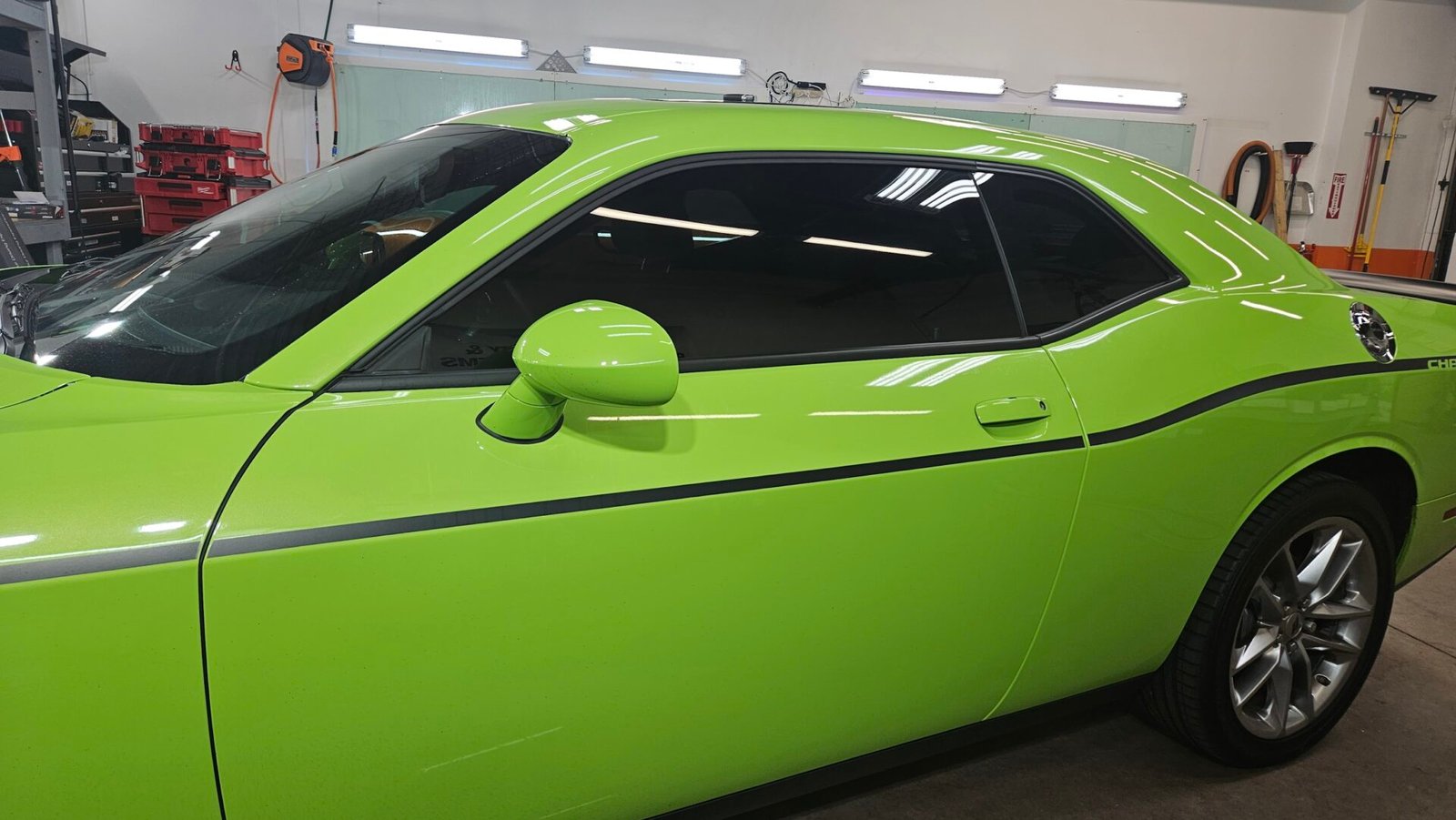
Ceramic window tint offers one of the most advanced forms of UV and heat protection available for vehicles and buildings. Using nano-ceramic particles, it blocks harmful rays while maintaining perfect clarity, keeping interiors cooler and more comfortable.
At Polarizauto in Ramsey, MN, we specialize in professional ceramic window tint installation that delivers exceptional durability and precision. Our team uses trusted materials and proven methods to ensure each tint looks flawless and performs reliably.
In the sections ahead, you’ll learn what ceramic tint is made of, how it works, and how it compares to other types of films. By understanding these key differences, you can choose the right tint for you with lasting performance and protection.
What Is Ceramic Window Tint?
Ceramic window tint uses advanced materials to cut heat and block harmful rays without affecting visibility or electronics. It offers better UV protection, glare reduction, and heat rejection compared to traditional tints, making your driving experience more comfortable.
Nano-Ceramic Technology Explained
Ceramic tint is made by embedding microscopic ceramic particles into the window film. These nano-ceramic particles are nonmetallic and nonconductive, meaning they don’t interfere with GPS, radio, or phone signals.
This technology blocks up to 99% of ultraviolet (UV) rays and reduces heat by targeting infrared (IR) rays that regular tints often miss. The particles reflect and absorb these rays without fading over time or discoloring, so your windows keep looking good longer.
Because ceramic tint doesn’t use dyes or metals, it stays clearer and maintains visibility better than other options, making it a smart choice for your car, home, or office windows.
How Ceramic Tint Differs from Regular Films
Regular window tints usually rely on dyed or metallic layers to block sunlight. Dye-based tints absorb heat but can fade or turn purple over time. Metal-based films offer heat rejection but may cause signal interference and can corrode.
Ceramic tint avoids these issues. It doesn’t rely on dye or metal but on nano-ceramic particles that are stable and durable. This means you get superior heat rejection and UV blocking without affecting electronics or risking color change.
If you want a tint that lasts and performs stably under Minnesota’s varying weather, ceramic tint stands out as the better investment.
Types of Ceramic Tints
Ceramic tints come in different shades and formulas depending on your needs.
- Standard ceramic tint balances heat rejection and visibility with a medium shade.
- High-performance ceramic tint uses advanced particle coatings for maximum heat and UV protection.
- Hybrid ceramic tint combines ceramic with other materials for additional strength or privacy options.
Your choice depends on factors like tint darkness allowed by local laws, vehicle type, and how much heat you want blocked. If you’re near Ramsey or Anoka County, we can help guide you to the right ceramic window tint that suits both your comfort and compliance needs.
Key Benefits of Ceramic Window Tint
Ceramic window tint offers more than just a sleek look for your vehicle or property. It actively reduces heat, blocks harmful UV rays, and lasts longer than many other tint options. These benefits help protect your comfort, health, and investment in both the short and long term.
How Much Heat Can Ceramic Tint Actually Block?
While most ceramic tints block 50–60% of solar heat, premium films can reject up to 95% of infrared radiation, the main source of cabin heat.
The International Window Film Association (IWFA) reports that ceramic films maintain consistent heat rejection even under prolonged sun exposure, unlike dyed tints that degrade faster. This makes ceramic tint ideal for both comfort and fuel efficiency.
Heat Rejection and Temperature Control
Ceramic tint blocks up to 90% of infrared heat, which is a primary cause of interior discomfort in vehicles and buildings. This means your car stays noticeably cooler on hot days, reducing the need to run your air conditioning as hard or as often.
Unlike dyed or metallic tints, ceramic tint does this without affecting visibility or causing a reflective glare. You’ll experience less heat buildup inside your vehicle or home without losing clear sight lines. This improves both comfort and energy efficiency.
With superior heat rejection, ceramic tint helps protect interior surfaces like dashboards, upholstery, and plastics from premature fading or cracking, extending their lifespan and appearance.
UV Protection and Health Benefits
One of the most important advantages of ceramic tint is its ability to block up to 99% of harmful UV rays. Prolonged exposure to UV radiation can cause skin damage, increase cancer risk, and fade interior materials.
Ceramic window tint filters out these rays effectively, helping protect you and your passengers from sun-related health risks during everyday driving or at home. It also prevents your car seats and interiors from fading and deteriorating, keeping your vehicle looking newer longer.
This level of UV protection makes ceramic tint a smart choice for anyone spending long hours in the sun, whether commuting, traveling, or parked outdoors.
Durability and Longevity
Ceramic tint is made from non-metallic, nano-ceramic particles, which makes it highly durable compared to dye-based and metallic films. It won’t fade, bubble, or discolor over time, maintaining its performance and appearance for years.
Unlike metallic tints, ceramic film doesn’t interfere with electronic signals, so your GPS, radio, and phone reception stay strong. This feature is particularly valuable if you rely on those devices regularly.
Investing in ceramic tint through a professional service ensures the film is applied correctly for maximum durability and long-lasting protection. The tint typically lasts five years or more without significant degradation, offering excellent value over its lifetime.
Comparing Ceramic, Carbon, and Standard Tints
Choosing the right window tint affects your car’s comfort, appearance, and protection. Understanding how ceramic compares to carbon and standard tints helps you focus on heat rejection, UV blockage, durability, and cost.
Ceramic vs Carbon Tint Performance
Ceramic tints use non-metallic, nano-ceramic particles that block up to 50% more heat than carbon tints. This means your car stays cooler on hot days, reducing reliance on air conditioning.
Ceramic also offers superior UV protection, blocking nearly 99% of harmful rays. Unlike carbon, ceramic tints don’t interfere with electronic signals, so GPS, radio, and phone reception stays clear.
Carbon tints provide good glare reduction and a matte finish, but they tend to fade over time, losing effectiveness. Ceramic tint’s durability and consistent performance make it a preferred choice for long-term investment.
Ceramic vs Dyed Tint
Dyed tints are the most basic type, using dye to absorb light and reduce glare. While affordable, dyed tints offer minimal heat rejection and UV protection compared to ceramic.
Ceramic films outperform dyed tints significantly by reflecting infrared light, keeping your car cooler in intense sunlight. They also resist fading and bubbling, common issues with dyed films.
If enhancing comfort and protecting your car’s interior from UV damage matters, ceramic tint provides a more reliable solution. Dyed options work well for low-budget needs but fall short in performance and durability.
Ceramic vs. Metallic Tint
Metallic tints contain metal particles to reflect heat and UV rays. They provide good cooling but can interfere with signals like Bluetooth, radio, or GPS in your vehicle.
Ceramic tint achieves equal or better heat rejection without any signal disruption. It is also lighter in color, allowing better visibility without compromising privacy or protection.
While metallic tints are durable, their potential to cause electronic interference and heavier window tinting may be drawbacks. Ceramic offers a strong balance of clarity, efficiency, and no signal issues.
Cost and Value Differences
Ceramic tints are usually the most expensive option, due to advanced materials and superior performance. Carbon tints cost less but offer less heat rejection and may fade over time.
Dyed tints have the lowest upfront cost but may require replacement sooner. Metallic tints fall in between but have the risk of signal interference that might cost convenience.
Investing in ceramic tint from a trusted provider like Polarizauto ensures you get longer-lasting protection and clearer vision. The upfront cost often balances out with better comfort, durability, and fewer replacements.
Installation and Care Considerations
Proper installation and routine care are essential for ensuring your ceramic window tint performs well and lasts as long as possible. Paying attention to these details helps maintain durability, appearance, and the protective benefits of your tint over time.
Professional vs. DIY Installation
Installing ceramic window tint requires precision to avoid bubbles, wrinkles, or poor adhesion. While DIY kits are available, professional installation ensures optimal results with experience-backed techniques, proper tools, and quality products.
A professional installer can guarantee a clean, smooth application that maximizes heat rejection and UV protection. They also offer advice on the best tint shade and film quality for your vehicle or home.
Mistakes during DIY tinting can lead to peeling or bubbling, reducing the durability and effectiveness of the ceramic tint. If you value long-term performance and appearance, investing in professional window tinting is a reliable choice.
Maintaining Ceramic Window Tints
To keep your ceramic window tint clear and functional, regular cleaning with a soft microfiber cloth and mild, ammonia-free cleaner is crucial. Avoid harsh chemicals or abrasive tools that could damage the tint’s surface.
Be gentle when rolling windows up and down in the first few days after installation to allow the adhesive to set properly. Also, inspect your tint periodically for any signs of lifting or scratches.
Routine maintenance supports the longevity of your ceramic tint, preserving its UV protection and heat-reducing properties. Scheduling inspections as part of your vehicle care routine catches issues early before they become costly.
Potential Drawbacks and Limitations
Ceramic window tint offers many benefits, but you should also consider some specific limitations. These include higher upfront costs and potential issues related to availability and quality. Understanding these factors will help you decide if ceramic tint is right for your car or home.
Higher Initial Cost
Ceramic tint generally costs more than traditional dyed or metallic films. The advanced nano-ceramic technology, which provides superior heat rejection and UV protection, contributes to this higher price. Installation prices can also vary depending on your vehicle’s size and complexity.
While the upfront investment is significant, ceramic tint’s durability and performance can justify the cost over time. If you prioritize long-term comfort, reduced interior fading, and glare reduction, the initial expense might be worth it. However, if budget is a primary concern, you should carefully weigh this against other tint options.
At Polarizauto, we help you balance quality and cost, ensuring you get a professional installation with reliable ceramic tint that fits your needs in Ramsey, MN.
Availability and Quality Issues
Not all ceramic window tints are created equal. The market includes various grades that differ in terms of heat rejection, clarity, and durability. Poor-quality ceramic films may not deliver the advertised benefits or could degrade prematurely.
Access to high-quality ceramic tint depends on your location and installer. Choosing a trusted professional ensures you get premium materials and expert application. Avoid cheaper, untested products that can bubble, fade, or interfere with electronic signals.
When selecting your tint, look for certifications or warranties. This helps protect your investment and avoids common quality pitfalls often overlooked in less reputable options.
Upgrade Your Comfort With Ceramic Tint
Ceramic window tint offers unbeatable clarity, durability, and protection. It blocks harmful UV rays, reduces interior heat, and helps your car or property stay cooler and safer. Ceramic tint delivers exceptional performance you can count on.
With Polarizauto, you’ll get expert installation using premium materials designed for lasting results. Our certified technicians ensure precise application, seamless appearance, and protection that stands up to any weather.
Ready to experience the benefits of high-performance ceramic window tint? Schedule your professional installation today for comfort, clarity, and lasting protection.
Frequently Asked Questions
Ceramic window tint offers distinct benefits around heat rejection, UV protection, durability, and visibility, but it also involves different costs and materials compared to traditional tints. Understanding these details can help you decide if ceramic tint is right for your vehicle.
How does ceramic window tint compare to regular tint?
Ceramic tint uses nano-ceramic particles that block up to 99.9% of UV rays and reduce heat much more effectively than regular dyed or metallic tints. It doesn’t contain metals, so it won’t interfere with electronic signals. Regular tints tend to fade or bubble within 5 to 10 years, while ceramic tint can last a lifetime.
What are the advantages and disadvantages of ceramic tint?
The primary advantages are superior heat rejection, UV protection, and signal clarity without darkening your windows excessively. Ceramic tint is highly durable and resists fading. On the downside, it costs more upfront compared to regular tint but provides better long-term value.
What materials are used to make ceramic window tint?
Ceramic window tint consists of nonmetallic, nonconductive ceramic nanoparticles embedded in the film. These advanced materials replace dyes or metals, providing improved performance in heat and UV blocking without affecting visibility or electronics.
How much does it typically cost to install ceramic window tint?
Installation costs vary depending on the vehicle size and tint quality, but ceramic tint typically costs more than standard options due to premium materials and longer-lasting performance. For a full car window tint, prices usually range higher than traditional films.
What are the visibility differences between ceramic tint versus regular tint at night?
Ceramic tint maintains better clarity and reduces glare at night compared to some dyed or metallic tints, which can appear darker or hazier. This means you can expect clearer vision and safer driving conditions after dark.
What factors affect the price of ceramic tint for windshields?
Pricing depends on the size of the windshield, the type of ceramic film chosen, and the complexity of installation. Additional features like enhanced UV or heat rejection coatings can also increase the cost. Our expert installers in Ramsey, MN, ensure quality results you can trust