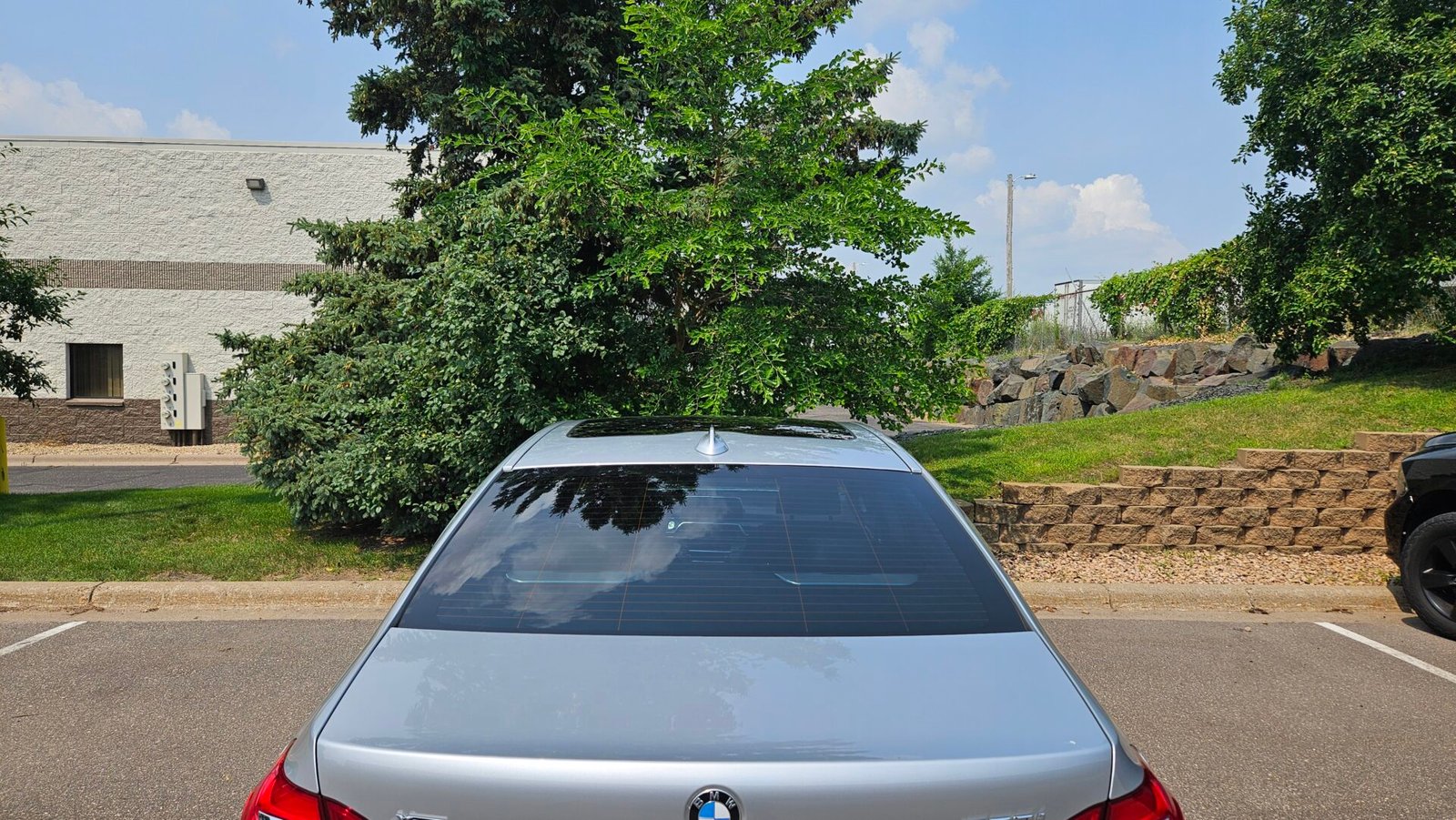
Choosing the right type of automotive window tint can improve comfort, protect your vehicle, and enhance its appearance. From basic dyed films to advanced ceramic options, each tint offers different levels of heat rejection, UV protection, and privacy suited to Minnesota’s climate.
At Polarizauto in Ramsey, MN, we specialize in helping drivers find the ideal tint that balances performance, style, and durability. Our professional installations ensure your car stays cooler, your interior lasts longer, and your visibility remains clear year-round.
This guide breaks down the types of automotive window tint, their unique benefits, and what Minnesota drivers should know about local tinting laws before choosing the right film for their car.
Overview of Automotive Window Tint Types
Choosing the right car window tint involves understanding how the tint works and what to expect from its performance. Key factors include the tint’s ability to block heat, protect against UV rays, and maintain clear visibility, all while enhancing your vehicle’s comfort and appearance.
Defining Window Tint and Window Tinting
Window tint is a thin film applied to your car’s windows to reduce sunlight penetration. It darkens the glass, adds privacy, and shields the interior from harmful UV rays. Tinting is the actual process of professionally applying this film to ensure it adheres without bubbles or damage.
There are several types of window tint films, from basic dyed tints to advanced ceramic or carbon options. Each type varies in durability, heat rejection, and how it affects visibility.
When you choose tinting services, the focus is on precision application and using high-quality films that last longer and perform better.
Key Performance Metrics of Car Window Tint
When evaluating car window tint, you’ll want to pay close attention to:
- Heat Rejection: How much solar heat the film blocks to keep your car cooler.
- UV Protection: The percentage of ultraviolet rays it can filter out to protect your skin and prevent interior fading.
- Visible Light Transmission (VLT): How much light passes through the tint, affecting darkness and visibility.
- Durability: Resistance to fading, bubbling, and scratching over time.
These factors directly affect comfort, safety, and the lifespan of your tint. High-performance tints like ceramic or hybrid films excel in these areas compared to basic dyed films.
Choosing a reputable provider ensures you get a tint that meets your expectations for protection and appearance, making your driving experience more enjoyable. Experienced installers offer tailored recommendations to match your needs and Minnesota’s climate.
Dyed Window Tint
Dyed window tint uses a layer of dyed film to block sunlight and reduce glare. It is one of the most common and budget-friendly options, providing a visually darker look without complex technology. Its main advantages and drawbacks make it a practical choice depending on your priorities.
Benefits of Dyed Window Tint
Dyed tint blocks some sunlight by absorbing it in the dye layer, which helps reduce glare and improve driving comfort. It offers good privacy by making it harder for people outside to see into your vehicle. The film also protects your car’s interior from fading caused by UV rays.
This type of tint is generally the most affordable compared to other options, making it accessible if you want basic heat and light control without a high price tag. It’s easy to apply and remove, which can be useful if you want to change your tint later or sell your vehicle.
Common Limitations and Longevity
Dyed window tint tends to fade over time, turning purple or blotchy as the dye deteriorates with exposure to sunlight. This reduces its effectiveness and aesthetic appeal. Typically, you can expect a dyed tint to last about 3 to 5 years before it needs replacement.
Because it mainly absorbs heat rather than reflecting it, dyed tint doesn’t block heat as effectively as ceramic or metalized films. It may also interfere less with electronic signals, but not as well as some advanced tint types.
For long-term durability and heat control, you might consider other options. Weigh these factors so you can get the right tint for your needs and budget when you’re ready to improve your vehicle’s comfort and appearance.
For straightforward, quality dyed window tinting, professional installation makes all the difference to achieve a clean, lasting finish.
Metalized and Hybrid Window Tints
Metalized and hybrid tints offer different strengths for your vehicle’s window tinting needs. Each type provides varying levels of heat rejection, durability, and protection, while also influencing the way electronic signals pass through your car windows.
Understanding these differences helps you choose a tint that fits your priorities.
Features of Metalized Window Tint
Metalized tint contains tiny metallic particles embedded in the film. These particles reflect heat and ultraviolet (UV) rays, reducing your car’s interior temperature and protecting it from sun damage. This makes metalized tints very effective at heat rejection.
Beyond blocking heat, metalized films also strengthen windows, making them more resistant to shattering. However, the metallic content can cause interference with GPS, radio, and cellphone signals. If you rely heavily on these devices, this is a factor to consider.
Metalized tints typically have a shiny appearance that some drivers like for style and added privacy. They tend to be more durable than basic dyed films but can increase the cost of your window tinting service. For reliable performance and extra protection, metalized tint is a practical choice.
Hybrid Film Construction
Hybrid window tint blends dyed and metalized materials in a layered film. This combination balances the warmth-absorbing qualities of dye with the strength and reflectivity of metal particles.
With hybrid tints, you get improved heat rejection and UV protection compared to dyed films alone, but less signal interference than fully metalized options. This durability also means fewer chances of bubbling or discoloration over time.
Hybrid films are known for being sturdy while maintaining a darker, matte finish without the metallic sheen seen in purely metalized tint. For those who want a tough tint that performs well under Minnesota’s strong sun but without signal problems, hybrid tinting can be a smart choice.
Signal Interference Considerations
One key concern with metalized and hybrid window tints is their potential to interfere with electronic signals. Metalized tints are most prone to this, as they contain metal particles that block or weaken GPS, radio, and cellular signals.
Hybrid tints reduce but do not completely eliminate this risk. If your vehicle depends on constant connectivity—for navigation, emergency calls, or streaming—this is an important factor to weigh.
If you encounter weak signals after tinting, solutions include using external antennas or choosing films with low metal content. A reputable provider can guide you to options that limit interference while still providing strong protection and durability.
Choosing the right film means balancing heat control, appearance, durability, and how your car’s tech performs behind tinted windows.
Understanding Minnesota Window Tint Laws
Before applying any window film, it’s crucial to know Minnesota’s legal tint limits. As CBS News Minnesota reports, state law requires front side windows to allow at least 50% of light to pass through.
The windshield may only have a non-reflective tint above the manufacturer’s AS-1 line. Staying within these limits helps drivers avoid fines and ensures their tint remains compliant with state safety standards.
Carbon Window Tint
Carbon window tint offers a durable, matte finish that reduces glare and blocks a significant amount of heat from entering your vehicle. It combines advanced polymer technology and carbon particles to provide long-lasting protection without interfering with your electronics or radio signals.
Advantages of Carbon Window Tint
Carbon tint stands out for its durability and effectiveness. Unlike traditional dyed tints, carbon films do not fade or bubble over time, maintaining their appearance for years. This means your car’s interior stays protected without frequent replacements or maintenance.
Another key advantage is its resistance to interference. If you rely on GPS, cell phones, or radio reception, carbon tints won’t disrupt these signals, unlike some metalized options. This makes it a practical choice for daily driving.
Finally, carbon tint is typically easy to install and compatible with most vehicles. High-quality carbon tint films offer reliable performance and durability suited to Minnesota’s climate.
Aesthetic Appeal and Insulation
Carbon window tint has a sleek, dark matte finish that enhances your car’s aesthetic appeal without appearing overly reflective or shiny. This subtle look complements a wide range of vehicle colors and styles, giving your car a modern, refined edge.
In terms of insulation, the carbon layers absorb and dissipate heat effectively. This helps keep your vehicle cooler during hot summer days, reducing the need for air conditioning and improving overall comfort on your drives.
This type of tint also reduces glare from sunlight and headlights, which can improve visibility and safety, especially when driving at dawn or dusk. The combination of style and functional insulation makes carbon tint a popular option for those who want both form and function.
UV Protection Capabilities
Protecting your skin and car interior from ultraviolet (UV) rays is critical. Carbon tint blocks up to 99% of harmful UV radiation, helping prevent skin damage and stopping your seats and dashboard from fading or cracking.
This high level of UV protection makes carbon tint especially valuable if you live in areas with strong sun exposure year-round. It helps maintain your vehicle’s interior condition, preserving its value over time.
By reducing UV rays, carbon tint also cuts down on heat buildup inside the car. This creates a safer, more comfortable environment for you and your passengers while driving.
Ceramic and Crystalline Window Tints
When choosing between ceramic and crystalline window tints, you’re looking at options that both excel in heat rejection, UV protection, and glare reduction. These tints are designed to enhance comfort without sacrificing visibility or vehicle aesthetics.
Ceramic Tint Technology and Benefits
Ceramic window tint uses microscopic ceramic particles embedded in the film instead of dyes or metals. This gives it excellent durability without interfering with electronic signals like GPS or radio.
The key benefits include superior heat rejection and effective UV protection that blocks up to 99% of harmful rays, helping protect your skin and interior surfaces. Ceramic tint also offers significant glare reduction, making driving safer and more comfortable in sunny conditions.
Because ceramic tint does not fade or tint over time like dyed films, it maintains its look and performance longer. Trusted professionals ensure a precision application so you get the full benefit of this advanced technology.
Crystalline Tint Properties
Crystalline window tint stands out because it combines multiple layers of optical films to deliver high transparency with strong heat rejection. Unlike darker tints, crystalline films keep your visibility clear while still shielding you from heat.
This tint blocks over 97% of infrared light, which is responsible for most of the heat you feel inside your car during summer. It also provides excellent UV protection that surpasses many traditional films, preserving your car’s interior and reducing sun damage.
Crystalline tint is often preferred if you want a cooler, more comfortable cabin but need to maintain a lighter look to comply with local tinting laws. Its multi-layer design creates less reflection and fading over time.
Comparing UV and Infrared Protection
Both ceramic and crystalline tints excel in blocking UV rays—each typically filtering out around 99% of UV-A and UV-B radiation to protect your skin and vehicle interiors.
Where they differ most is in infrared (IR) heat rejection. Crystalline films can block up to 97% of IR radiation, reducing heat build-up inside your car dramatically without darkening the windows. Ceramic tints also reject IR heat effectively but may be slightly less transparent than crystalline options.
| Feature | Ceramic Tint | Crystalline Tint |
| UV Protection | Up to 99% | Up to 99% |
| Infrared Heat Rejection | High, slightly less than crystalline | Up to 97%, very high |
| Visibility | Medium to dark tint options | Clear to light tint options |
| Glare Reduction | Excellent | Very good |
If you want a balance of strong heat rejection and clear visibility, crystalline might be your best bet. For maximum durability with effective heat and glare control, ceramic tint is ideal. A trusted professional can help you decide which suits your vehicle and preferences best.
Choose the Right Tint for Comfort, Style, and Protection
Understanding the different types of automotive window tint helps you make a smarter, more confident decision for your vehicle. Whether you’re focused on reducing glare, improving heat control, or protecting your interior, the right tint film can make daily driving far more enjoyable.
Polarizauto offers professional installation to ensure your tint performs beautifully and complies with state laws. With high-quality films and precise application, you’ll enjoy better comfort, privacy, and long-term protection from the elements.
Ready to upgrade your ride? Schedule your consultation and experience performance and style for your car.
Frequently Asked Questions
Window tints vary widely in material and performance, affecting heat rejection, durability, and appearance. Understanding how these differences work helps you choose the best option for your vehicle’s needs and style.
What are the differences between ceramic, carbon, and metalized window tints?
Ceramic tints use non-metallic particles to block heat and UV rays without interfering with signals. They offer excellent heat rejection and clarity. Carbon tints contain carbon particles, providing good UV protection and a matte finish that resists fading.
Metalized tints have tiny metallic particles that reflect heat and strengthen the film, but may cause signal interference.
How do the various types of window tint impact visibility and aesthetics?
Ceramic tints maintain natural visibility, avoiding a dark look while reducing glare. Carbon tints create a deep black appearance with steady performance over time. Metalized films often have a reflective or shiny look, which may affect night driving visibility.
What are the benefits of crystalline window tint compared to other types?
Crystalline tints use multi-layer optical films to block up to 99% of UV rays and a high percentage of heat without darkening your windows. This type offers great clarity and heat rejection without compromising natural light entering your car.
How is the percentage of car window tint measured, and what does it signify?
Tint percentage refers to Visible Light Transmission (VLT), meaning the amount of light allowed through your windows. A 35% tint lets through 35% of visible light and blocks 65%, affecting visibility and privacy. Lower percentages mean a darker tint, but may be limited by legal restrictions.
What should one consider when choosing the best type of window tint for their vehicle?
Consider factors like heat rejection needs, durability, aesthetics, and budget. Also, think about signal interference, clarity, and local laws. Professional services like Polarizauto ensure the right balance between protection, appearance, and compliance.
What are the legal implications and regulations regarding window tinting in different states?
Tint laws vary by state and often regulate both tint darkness and reflectivity. Some states require specific VLT percentages for front and rear windows. Always check local regulations to avoid violations and fines before applying tint.