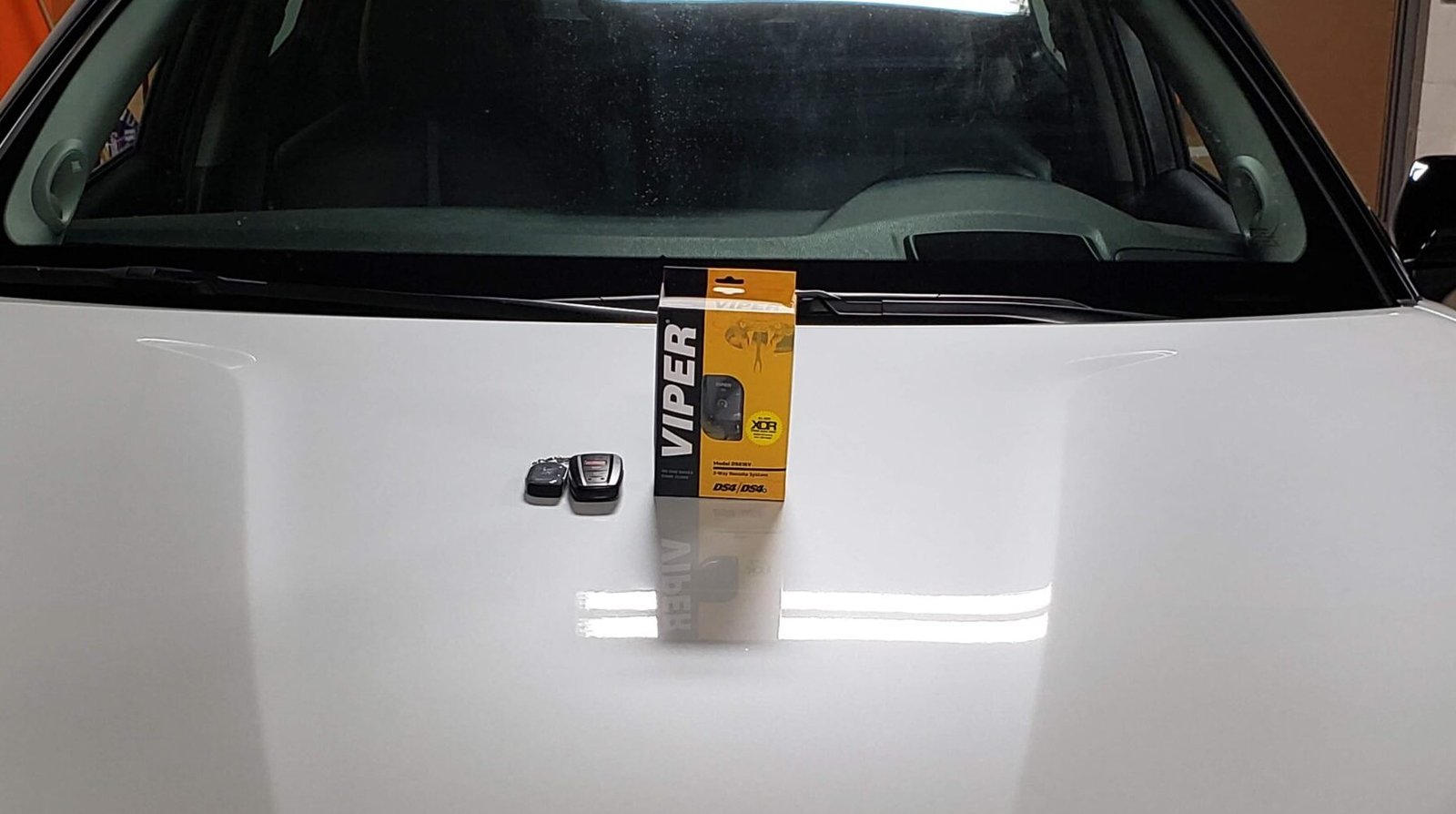
Cold mornings and hot afternoons can make driving uncomfortable, but a remote car starter kit changes that. With just a press of a button, you can start your vehicle from afar, ensuring the perfect temperature before you even step inside. It’s a simple upgrade that saves time, adds comfort, and makes every season easier to handle.
At Polarizauto, we specialize in professional installations that blend convenience with reliability. Our team ensures your remote start system fits your car perfectly and works flawlessly through every Minnesota season.
In this guide, we’ll walk you through what a remote car starter kit is, how it works, its main types, and how to choose one for your vehicle. You’ll also learn about installation options, maintenance tips, and trusted brands that make owning one a breeze.
What Is a Remote Car Starter Kit?
A remote car starter kit lets you start your vehicle’s engine from a distance. You can warm up or cool down your car before you get inside. The kit includes several important parts and uses a simple process to connect your remote to your car’s system.
Key Components
A remote car starter kit usually comes with a remote control, a receiver module, and wiring that connects to your car’s ignition system. The remote sends signals to the receiver, which starts the engine.
Remotes differ by features: some have one button and only start the car, while others have multiple buttons for locking doors and setting alarms. Some models offer up to 3,000 feet of range or even LTE connectivity for smartphone control.
The receiver installs inside the car and links to the ignition and other circuits. This setup lets you start the engine without turning the key or pressing the start button. Some kits include extra hardware for security, like sensors that detect if a door is open.
How Remote Starters Work
When you press the button on your remote, it sends a code to the receiver in your car. The receiver checks the code to make sure it matches. If it’s correct, the receiver signals your car to start the engine.
Once the engine runs, the vehicle stays locked for safety. You still need to unlock the doors and get inside to drive. Many starters let you set a timer for automatic shut-off if you forget to turn off the engine.
Advanced systems can give you notifications on your phone, showing if your vehicle is started or if the battery is low. These kits also protect your car by preventing unauthorized remote starts through special security codes.
With a remote starter kit, you get more comfort, especially in cold winters or hot summers, by making sure your car’s temperature is just right before you hop in.
Engine Warm-Up Benefits
Starting your car remotely helps the engine reach optimal temperature before driving, which can reduce wear and improve fuel efficiency in cold conditions. According to Energy.gov, short, controlled warm-ups are more efficient and protect your engine better than prolonged idling.
Benefits of Installing a Remote Car Starter Kit
A remote car starter kit gives you the ability to start your car’s engine from a distance. This adds convenience, improves comfort inside your vehicle, and adds an extra layer of security. You get more control over your car, especially during extreme weather or when you’re in a hurry.
Convenience Features
With a remote starter, you can warm up or cool down your car before you get inside. That means no more scraping ice off your windows in winter or sitting in a hot car during summer.
Many kits let you start your car from up to several hundred feet away. This is perfect for busy mornings or when you’re carrying groceries and can’t reach your keys easily.
You can often lock or unlock your doors with the same remote. It’s a simple way to save time and avoid fumbling for keys. Some models include smartphone integration, so your phone can act as the remote control.
Improved Comfort
A remote car starter lets you set the inside temperature before you step inside. This helps keep your car cozy in winter and cool when it’s hot outside. You won’t have to wait for the heater or air conditioner to kick in while you sit inside.
Using it regularly can also protect your car’s engine. Starting your car remotely allows it to warm up at a steady pace, reducing wear and tear. This helps maintain your engine’s performance over time.
If you live in Minnesota or other cold areas, this comfort boost can change the way you start your day, making winter mornings less stressful.
Enhanced Security
Remote starters add an extra layer of security to your vehicle. Many kits include anti-theft features, like disabling the ignition if someone tries to steal your car after starting it remotely.
The system often requires your key fob to be nearby for the car to shift into gear. This prevents thieves from driving away with your car even if they manage to start it.
Professional remote starter installation ensures these safety features are set up correctly. This protects your investment and gives you peace of mind, knowing your vehicle is safer when parked.
Types of Remote Car Starter Kits
Remote car starter kits vary mainly by how you control them and the features they offer. Some kits provide basic functions like starting your car from a distance, while others add more control options or connect to your smartphone for added convenience.
Knowing the differences helps you pick the right system for your needs and lifestyle.
1-Way Remote Start Kits
1-way remote kits send a simple signal to your car to start the engine. You press a button, and your vehicle responds, but you don’t get any feedback from it. These remotes usually have a range of about 1000 feet and are easy to use.
They often come as compact, water-resistant remotes, and most systems include two 1-way remotes in a single kit. These kits are affordable and straightforward, perfect if you want a quick remote start without extra features. However, you can’t check if your car started or the lock status remotely with these.
2-Way Remote Start Kits
2-way remotes add communication from your car back to you. When you press start, the remote confirms if your engine actually started or if the car is locked. This offers more control and peace of mind, especially if you are far from your vehicle.
These remotes often have a longer range, around 3000 feet, and are water-resistant. Some come with a small screen that shows alerts, such as security warnings or status updates. They are usually more expensive but add safety and convenience, letting you know exactly what’s happening with your car.
Smartphone-Integrated Kits
These kits connect to your car through your phone using LTE or Bluetooth, giving you smart control from anywhere. You use an app to start your engine, lock doors, or check your car’s status. The range is much longer than that of remotes, since it works over cellular networks.
Some kits bundle with 2-way remotes but add smartphone access for even more flexibility. You can get notifications and control your car without carrying a separate device. These kits cost more but bring modern convenience and remote monitoring.
Choosing the Right Kit for Your Vehicle
Picking the right remote car starter kit depends on your car’s needs and how you plan to use the system daily. You want a kit that fits your vehicle, has a good signal range, and offers features that match your lifestyle without extra hassles or costs.
Vehicle Compatibility
Not all remote starter kits work with every car. You need a kit that fits your car’s make, model, and year to ensure it connects with your vehicle’s systems properly. Some cars, especially newer models with push-to-start buttons or advanced security systems, require more specialized kits.
Check if the kit includes a bypass module, which lets the starter system work around your car’s anti-theft measures. Your installer can help you find the right kit that fits your car perfectly and avoid issues on installation day.
Range and Signal Strength
The range is how far you can be from your car and still start it remotely. Most remote starters offer a range from 1,500 to 3,000 feet. A longer range lets you start your car from inside your house or even from a nearby building.
Signal strength matters in places with lots of interference, like crowded cities. Look for a 2-way remote starter if you want to get confirmations back, such as car status alerts. Some remotes are water-resistant and slim enough to fit on your keychain easily, making them both practical and durable.
Additional Features to Consider
Some kits come with extras that might be useful to you. Features like smartphone control through apps can add convenience by letting you start your car from almost anywhere.
Other extras to watch for include remote locking and unlocking, security alarms, and interactive LCD remotes to check your car’s temperature or battery status. Before choosing, think about which features you’ll actually use and which ones might just add to the cost without much benefit.
Choosing with care will help you get the most value and ease from your remote car starter kit.
Installation Process Overview
Installing a remote car starter kit requires careful steps to connect it properly to your vehicle’s electrical system.
Decide if you’re comfortable doing the work yourself or if hiring a professional is a better choice. The right approach depends on your skill level, the tools you have, and the complexity of your car’s wiring.
DIY Installation Tips
If you decide to install your remote starter yourself, start by reading the instruction manual fully. Make sure you have all the tools, like wire strippers, a multimeter, and electrical tape, ready before you begin.
Identify your vehicle’s wiring diagram to connect the starter kit correctly. Double-check connections to avoid short circuits or damaging your car’s electronics. Take your time and work patiently in a well-lit space.
Testing the kit before fully assembling everything is essential. This helps you catch problems early on. Keep your car battery disconnected while wiring to prevent shocks or accidental shorts.
When to Hire a Professional
If you’re unsure about handling your car’s wiring or your vehicle has complex security features, hiring a professional is safer. Experts will install the remote start system cleanly and efficiently. Professionals also ensure all parts work with your car’s existing electronics.
This means fewer problems later. Plus, a professional installation usually comes with a warranty for peace of mind. Choosing a professional is a good idea if your car has advanced features like keyless entry or anti-theft systems. This reduces the risk of damaging those systems during installation.
Troubleshooting and Maintenance
Keeping your remote car starter working right takes a bit of care and knowing what problems to watch for. Regular checks and simple fixes can save you time and keep your car comfy and ready.
Common Issues
One common problem is when the remote won’t start the car. This can happen if the remote battery is dead or weak. Try replacing the battery first.
Another issue is a weak or no signal between the remote and the car. This could be because you’re too far away or there are obstacles like buildings or other electronics blocking the signal.
Sometimes, the system might stop working after a car battery change or if there is a fuse problem. Check your car’s fuse box for any blown fuses and replace them if needed.
If your starter kit stops responding, it might need reprogramming. You can usually find instructions in your kit’s manual or ask a technician for help.
Routine Care
To keep your remote starter working well, change the remote’s battery every 1–2 years, even if it still seems fine. Keep the remote clean and dry, and avoid dropping it or exposing it to extreme temperatures, like hot sunlight or freezing cold. Check the wiring and connections under your car’s dashboard if you notice any issues, since loose wires can cause the system to fail.
Popular Brands and Models
When choosing a remote car starter kit, look for a brand with proven reliability and useful features. Some options offer simple one-button controls, while others let you start your car from far away or control door locks. Below are three trusted brands that many drivers prefer.
DEI (Directed Electronics)
DEI systems provide strong performance and security. Many kits include remote start, keyless entry, and shock sensors to alert you if someone tampers with your car. These starters often offer multi-car control and fit a wide variety of vehicles.
DEI remotes have clear buttons and a good range. They work well with other car security products, so you can build a full system. The kits usually include installation instructions and come with good customer service.
Viper
Viper is a popular choice for convenience and security. Their kits often have two-way remotes, so you can start your car and get confirmation right on your remote screen.
Some Viper models let you control door locks, trunk release, and ignition kill features, making it harder for thieves to steal your vehicle. The brand also offers smartphone apps for remote start and status updates, allowing you to control your car from almost anywhere.
Compustar
Compustar offers advanced remote car starters with an impressive range and smart control. Their remotes can lock, unlock, start, and shut down your vehicle with one button or through a two-way LCD remote for extra feedback.
One standout feature is the Drone Mobile app, which lets you start, stop, lock, or unlock your car from anywhere with an internet connection. Their products offer good reliability and easy installation options for different car models.
Safety Considerations
When using a remote car starter kit, your safety and the safety of others should always come first. Park your car in a well-ventilated area before starting it remotely to avoid harmful exhaust gases like carbon monoxide.
Never start your car remotely if it’s in a closed garage or near flammable materials. Even short exposure to exhaust fumes can be dangerous. Always check that your surroundings are clear before using the remote start.
Most remote starters include safety features such as:
- Automatic engine shutdown if the brake is pressed
- Security locks while the car is running remotely
- Alerts if doors or the hood are open
These features prevent accidents and help protect your car. Choose a professional installer to ensure your remote start system meets safety standards and works reliably.
Never leave your vehicle unattended while it’s running for long periods, as this can pose theft or overheating risks. Use the remote starter for convenience, but stay aware of your car’s status.
Legal and Warranty Information
When you install a remote car starter kit, check the legal rules in your area. Some states and cities have laws about when and how you can use remote starters, including limits on idling time or noise levels. Review local laws to stay compliant.
Most remote starter kits include a manufacturer’s warranty. This covers defects in materials and workmanship, so if your kit has problems within the warranty period, you can get repairs or replacements at no extra cost.
Here’s what to expect from a typical warranty:
| Warranty Feature | Details |
| Coverage Length | Usually 1 year |
| What’s Covered | Defects, faulty parts |
| What’s Not Covered | Damage from misuse or improper installation |
| Claim Process | Contact the seller or installer for support |
Warranties usually require professional installation. If you install the kit yourself, you might void the warranty.
Many kits also offer smartphone connectivity options with free trials. Ongoing service may require a subscription after the trial ends.
Make Every Start Effortless and Comfortable
Installing a remote car starter kit enhances comfort, safety, and convenience every time you drive. You’ll save time on cold mornings, enjoy a cool cabin on hot days, and add a subtle layer of security to your daily routine.
With Polarizauto, you can count on professional installation, dependable performance, and ongoing support. Our certified installers ensure your remote start system integrates seamlessly with your car’s existing electronics for worry-free use.
Start your mornings with comfort and confidence—schedule your remote starter installation today https://polarizauto.com/#contact and experience the difference for yourself.
Frequently Asked Questions
Remote car starter kits differ in range, ease of installation, and compatibility with your vehicle. Choose based on what matters most to you, such as distance, smartphone control, or simple plug-and-play options.
What should I consider when choosing a remote car starter?
Look at the range, the type of remote (LCD screen or simple buttons), and whether it works with your car’s make and model. Consider extra features like security options or smartphone compatibility. Also, check if the system is easy to use daily and fits your budget.
How do I find professional installation services for my remote car starter?
Search locally for specialized car electronics installers or automotive service centers. Ask if they have experience with your chosen brand.
What are the top-rated remote car starter brands on the market?
Popular brands often provide long range, reliability, and good customer support. Look for devices from makers who offer clear instructions and upgrade kits for features like LTE connectivity and extended range.
Can I start my car with my smartphone using a remote car starter?
Yes, many modern remote starters let you start your car from your phone using LTE or Bluetooth connections. This allows you to lock, unlock, and start your car without a traditional remote.
Are there any plug-and-play options for remote car starters?
Some systems connect easily without heavy modifications and usually fit popular car models with minimal wiring. If you want a quick install without professional help, look specifically for these kits and check compatibility information closely.
How does the range of a remote car starter affect its performance?
The range tells you how far away you can start your car safely. Some kits let you start your vehicle from up to 3 miles away, which is useful if you want to warm up your car from inside your home or from a distance.
Physical barriers like buildings or trees can reduce the actual range. Check the product specifications and look for real-world test results before you buy.