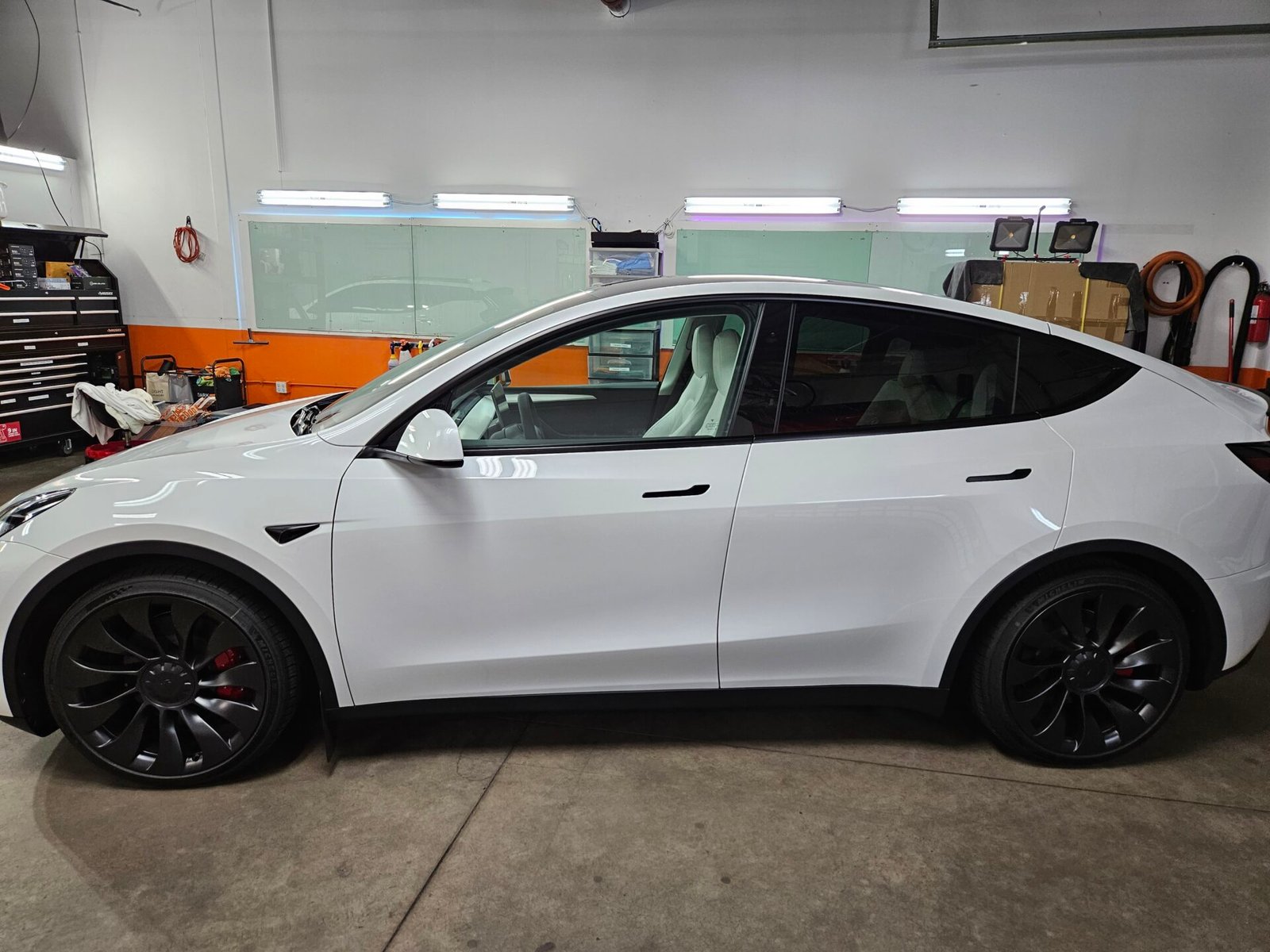
A professional PPF installer ensures your car’s paint stays flawless for years, not months. Paint protection film (PPF) guards against rock chips, stains, and UV wear—but only if applied by a skilled technician using quality materials and equipment.
At Polarizauto, we work with advanced self-healing PPF systems engineered for durability and clarity. Our certified team follows precise prep and application standards, ensuring every panel fits perfectly and your paint remains factory-smooth.
This guide explains what professional installers do differently, how to identify top-rated shops, and what to ask before booking your appointment—so you can protect your vehicle with confidence and lasting results.
What Is PPF and Why Use Professional Installers?
PPF is a clear, durable film that shields paint from chips, scratches, and UV fade. A professional installer ensures a better fit, longer-lasting results, and a warranty you can trust.
Definition and Purpose of Paint Protection Film
Paint protection film (PPF) is a thin, transparent polymer layer applied to painted surfaces. It bonds to your car’s paint and absorbs small impacts from stones, road debris, and daily wear.
High-quality PPF self-heals light scratches and resists yellowing from UV exposure, keeping your vehicle’s finish close to factory paint over time.
You can place PPF on hoods, bumpers, fenders, mirrors, and door edges. Full-front kits cover the most vulnerable areas. The film reduces the need for frequent touch-ups and helps maintain resale value by keeping original paint intact.
Benefits of Professionally Installed PPF
A professional PPF installer uses trained techniques and tools that reduce bubbles, wrinkles, and edge lifting. They prep the surface with deep cleaning and decontamination so the film adheres evenly and lasts longer.
Professionals use plotters and pattern software to cut film precisely for each panel, avoiding gaps and overlaps. You get access to higher-grade films and manufacturer warranties through a pro installer.
If an issue appears, warranty coverage often handles material defects and installation problems. This results in a consistent appearance, better protection for your car paint, and fewer maintenance headaches.
Why Surface Prep Is Critical for Long PPF Life
Professional preparation before applying paint protection film improves adhesion and helps prevent bubbles or edge lifting over time.
According to 3M’s instructions, cleaning the surface — removing wax, grease, and debris — ensures the film bonds well and evenly. 3M notes that ideal conditions and thorough surface prep reduce stress points under the film, which in turn lowers the risk of delamination.
Installers often include clay-bar treatment, alcohol wipe-downs, and inspection under bright light to remove tiny surface contaminants. Omitting this prep work can trap particles that cause visible flaws once the film is installed.
Comparison: DIY vs. Professional PPF Application
DIY kits cost less up front and let you work on your own schedule. They work best on simple panels if you have steady hands and patience. DIY risks include trapped dirt, misaligned edges, and permanent creases that reduce protection and appearance.
Professional paint protection delivers cleaner seams, even adhesion, and trained problem-solving for complex panel shapes. Installers offer guarantees and use top-tier PPF brands not usually available in consumer kits.
If you want the strongest, longest-lasting car paint protection with minimal risk, a professional installer typically gives better value despite higher initial cost.
Types of Paint Protection Film and Leading Brands
You need a clear view of film types, what they protect against, and which brands offer each style. The details below help you pick films for chips, UV damage, or a style change.
Overview of PPF Variants
PPF comes in a few main variants that matter for performance and install technique. Clear gloss films focus on optical clarity and chip protection without changing the car’s finish. Matte or stealth films give a flat look while keeping the same impact resistance as clear films.
Colored or textured PPF (carbon, forged, satin) lets you change appearance without paint, but often adds cost and may require more skill to install. Thickness and top-coat chemistry affect durability and self-healing.
Thicker films resist stone chips better, while high-quality top coats reduce staining and yellowing. Pre-cut patterns save install time and give cleaner edges; bulk film needs trimming and more skill.
Premium and Self-Healing Films
Premium PPF uses TPU (thermoplastic polyurethane) with an engineered top coat that restores small scratches when heated. You’ll see this marketed as “self-healing.” It works on swirl marks and minor abrasions from normal use; deeper gouges won’t fully disappear.
Premium films also add hydrophobic top coats to shed water and reduce grime buildup. This lowers maintenance and helps keep gloss. Look for specs about UV resistance and warranty terms, since those point to how well a film resists yellowing and long-term breakdown.
Installation quality affects self-healing performance. Edge sealing and correct pattern fit reduce lifting and bubbling. For longer coverage and easier upkeep, choose a premium self-healing film and an experienced installer.
Notable Brands: XPEL, 3M, Clear Bra
XPEL makes widely used premium films with strong pattern libraries and a near-8 mil construction. You’ll find good clarity, a reliable self-healing top coat, and a 10-year limited warranty through authorized dealers. XPEL’s pre-cut patterns reduce install errors on complex panels.
3M (Scotchgard/Scotchgard Pro Series) emphasizes high clarity and anti-yellowing chemistry. Their network of certified installers and proven UV resistance make them a common choice for long-term protection. 3M offers both gloss and matte options and clear specs on warranty and install requirements.
Clear Bra is often used as a generic term, but some suppliers sell branded “Clear Bra” kits built from premium TPU. When you see “Clear Bra,” verify the actual manufacturer (XPEL, 3M, or others) and check thickness, top-coat properties, and warranty before you book an install.
Key Qualities of a Professional PPF Installer
You want a certified installer who uses proven tools, shows years of precise work, and stands behind their service with a clear warranty. These factors affect how well the film protects your paint and how long the job lasts.
Certification and Credentials
Look for a certified PPF installer who holds manufacturer certification from brands like XPEL or SunTek. Certification shows the installer completed formal training on cutting patterns, wet application techniques, and self-healing film care. Ask to see the certificate and the installer’s portfolio of completed cars.
Check for business credentials too: a licensed shop, liability insurance, and a local business address reduce your risk. Certified installers often list training dates and course names; note the recency. If an installer claims “certified” but can’t show documentation, treat that as a red flag.
Also verify staff continuity. A shop with multiple certified technicians reduces chance of inconsistent results when different people work on your car.
Experience and Advanced Installation Technology
Experience matters. Ask how many full-car PPF installs the shop has finished and whether they handle complex edges like mirrors, bumpers, and door cups. Experienced installers know how to prevent common issues: lifting at seams, trapped debris, and visible stretch marks.
Check for advanced tools and tech. Shops using digital cut-pattern software, plotters, and climate-controlled installation bays deliver tighter fits and fewer on-car trims. Heat guns, proper squeegees, and dust-free workstations matter too.
Review before-and-after photos of vehicles similar to yours. If you drive a luxury or high-performance car, confirm the installer has handled that make and model. That shows they can match paint contours and maintain OEM panel gaps.
Warranty and Quality Assurance
A professional PPF installer gives a written warranty that covers yellowing, peeling, and adhesive failure for specified years. Read the fine print: understand what voids the warranty (automatic car washes, improper maintenance, or aftermarket modifications).
Quality assurance should include a documented inspection at hand-off. Expect checklist items like edge seals, film alignment, and surface cleanliness. Good shops photograph the car before and after work and log the batch number of the film used.
Also confirm repair policies. A certified installer usually performs free touch-ups or panel repairs within the warranty period and coordinates manufacturer claims when needed. Make sure contact info and turnaround times are clear before you leave your car.
How to Find the Best PPF Installers Near You
Look for certified shops, check real customer photos and reviews, and prepare key questions before you book a consultation. Focus on verified locator tools, what happens during a visit, and specific questions that reveal skill and warranty coverage.
Using Verified Installer Locators
Use brand locator tools from XPEL, 3M, or other major PPF brands to find an installer near you. These maps list certified dealers and usually show shop ratings, address, and contact details. Certification means the installer completed brand training and is more likely to use genuine film.
Cross-check locator results with Google Reviews and social posts that include before-and-after photos. Look for installers who post work samples on cars like yours (same color, model, or trim). If a shop can’t show recent photos, treat that as a warning sign.
Call the shop to confirm they actually perform the level of coverage you want — partial hood and mirrors versus full-body. Ask whether they cut patterns in-house or use pre-cut kits, and whether they offer a written warranty.
What to Expect During the Consultation
Your consultation will start with a vehicle inspection and an explanation of coverage options. The installer should point out high-impact areas (hood, bumper, mirrors) and recommend either partial or full-body protection based on driving conditions and budget.
They should show sample materials and explain film properties: thickness, self-healing, and warranty length. Expect to see examples of finished work and a demo of how edges and seams are handled.
Get a written estimate that lists labor, film brand, prep work (clay/barrier), and expected install time. Ask about appointment length — small jobs can take a day; full wraps often take 2–3 days. Confirm removal and repair policies after installation.
Questions to Ask Before Choosing an Installer
Ask which PPF brands they install and request proof of purchase or certification. This verifies they use genuine film and not a generic substitute. Ask how long they’ve installed PPF and for three recent customer references you can contact.
Ask about the warranty: what it covers, how long it lasts, and whether it includes labor for repairs. Clarify their process for dealing with bubbling, peeling, or discoloration.
Ask if they use climate-controlled bays, which reduce dust and improve adhesion. Finally, ask about post-install care: curing time, washing restrictions, and whether they offer maintenance inspections. These answers show professionalism and help you compare installers near you.
PPF Installation Services and Coverage Options
You’ll learn which service packages installers offer, how coverage areas differ, and what customization choices fit your vehicle. Prices, time, and warranty often depend on the package and the exact areas you want protected.
Available PPF Service Packages
Installers usually offer tiered packages. Common options include:
- Spot repair: small panel fixes for chips or scratches.
- Partial/front-end: hood, fenders, mirrors, and bumper.
- Full-front plus headlights: adds headlight protection to front coverage.
- Full vehicle wrap: complete coverage of painted surfaces.
Each package lists estimated hours and price ranges. Spot repairs take 1–3 hours; front-end installs often run 4–8 hours.
Full wraps can take 1–3 days. Ask for a written quote that lists materials, labor, and warranty terms. Confirm whether the film brand (XPEL, 3M, etc.) is included and if paint correction or decontamination is part of the job.
Coverage Areas: Partial vs. Full Wraps
Partial wraps focus on high-impact zones. Typical partial coverage: hood, front bumper, fenders, side mirrors, and door cups. This protects the areas most likely to get chips and saves you money versus a full wrap.
Full wraps protect every painted panel, including rocker panels, door edges, and trunk lid. Full coverage minimizes risk of visible wear across the car but costs more and takes longer.
Decide based on your driving habits: highway and gravel roads favor full coverage; city driving or occasional trips may make partial coverage the better value.
Customization and Vehicle Specific Solutions
You can tailor installs to your vehicle type and specific needs. Common custom options include:
- Matte or gloss film finishes.
- Extra-thick stone-chip zones for trucks or off-road vehicles.
- Headlight and door-edge protection added to base packages.
Installers plot patterns using your car’s exact model and year to reduce seams and overlap.
Ask to see samples of prior work on the same make or similar color to check optical clarity. If your vehicle has decals, sensors, or active safety cameras, confirm compatibility and whether the installer will reposition or mask those components during installation.
Long-Term Protection Starts With Certified Expertise
Professional PPF installation is a precision craft that ensures your paint remains pristine under daily driving conditions. Proper tools, preparation, and certified skills make the difference between short-term protection and years of flawless shine.
At Polarizauto, our installers use manufacturer-approved materials and advanced pattern systems to guarantee seamless coverage and enduring results. Every installation includes full inspection, quality assurance, and transparent warranty terms.
Preserve your vehicle’s finish and schedule a detailed PPF consultation today to explore coverage options and film technologies tailored to your driving needs.
Frequently Asked Questions
You’ll find clear answers about hiring an installer, checking their work, expected costs, and how installation methods affect results. The questions cover certification, warranties, material brands, and real-world durability.
What should be considered when choosing a PPF installer?
Ask how many full-vehicle and partial installs they have done on cars like yours. Check which film brands they use and why they chose them. Request proof of certifications, liability insurance, and written warranty terms. Visit the shop to see cleanliness, lighting, and whether they use pattern software or hand cut.
How can you verify the quality of a professional PPF installer’s work?
Inspect recent before-and-after photos for edge lifts, bubbling, and alignment at seams. Look for consistent trim lines, no visible adhesive overflow, and smooth edges around emblems. Ask for customer references and read online reviews focused on long-term results. Confirm they provide a written workmanship warranty and proof of manufacturer warranty for the film.
What is the typical price range for professional PPF installation services?
Full-front bumper to full-vehicle prices vary widely. Lower-end partial coverage starts in the hundreds, while full-vehicle top-tier installs can run several thousand dollars. Prices depend on vehicle size and the amount of coverage you pick. High-end films and certified shops usually charge more.
What factors influence the cost of professional PPF installation?
Film brand and thickness affect price; premium brands and thicker films cost more. Level of coverage—bumper, hood, full front, or entire vehicle—changes labor time and material needs. Installer skill, warranty length, and whether they use computer-cut patterns or hand cutting also change the total. Shop location and demand can raise hourly or flat rates.
How do PPF installation techniques vary among professionals?
Some installers use computer-generated pre-cut patterns for exact fits and faster installs. Others rely on hand templates and trimming, which can work but increases risk of visible seams or errors.
Surface prep routines differ: the best teams decontaminate, clay-bar, and use dust-controlled booths. Adhesive activation, squeegee technique, and edge sealing methods also vary and affect adhesion and finish.
What is the expected longevity of PPF when installed by a professional?
With a quality film and correct installation, you can expect 5 to 10 years of effective protection, depending on the film brand. UV exposure, climate, and maintenance affect how quickly the film ages.
Follow the installer’s care instructions and use gentle washing methods to extend the film’s life. Regularly inspect for edge lifting or yellowing to catch issues early and protect your warranty.