Professional window tinting adds more than style—it gives comfort, UV protection, and long-term value. Certified tint specialists use quality films and advanced tools to deliver consistent, durable results that outlast DIY work.
At Polarizauto, we use high-performance ceramic and carbon films that block heat, protect interiors, and comply with state VLT laws. Our trained installers measure, cut, and apply tint in clean, climate-controlled bays to ensure flawless clarity and adhesion.
This guide explains how to choose a trusted tint specialist, what film options fit your needs, and what benefits to expect from a professional service that blends precision, protection, and performance.
What Is Professional Car Window Tinting?
Professional car window tinting means trained technicians install specially made films on your vehicle glass to reduce heat, block UV rays, and add privacy. They pick the right film type, cut it to exact window shapes, and apply it so edges seal and bubbles don’t form.
Overview of Automotive Window Tinting
Automotive window tinting uses thin films applied to glass surfaces. Films range from dyed or metalized to ceramic and hybrid blends. Each type offers different levels of heat rejection, UV protection, glare reduction, and visibility.
Technicians measure and custom-cut film pieces for each window. They clean the glass thoroughly, remove contaminants, and use a wet application to smooth out bubbles. Proper curing time—usually 3–7 days—helps the adhesive bond and prevents peeling.
Know about legal limits for visible light transmission (VLT) in your state. A reputable shop confirms which tint shades meet local laws and provides documentation or warranty details.
Key Differences Between Professional and DIY Tinting
A professional service uses commercial-grade films and precision tools that most people don’t have. Professionals use software or templates to cut film to exact window curves, minimizing waste and gaps.
They work in climate-controlled bays to avoid dust and temperature issues that cause blemishes. DIY kits can be cheaper but often result in bubbles, miscuts, and poor edge seals. You may save money on parts but spend more time and risk voiding warranties or failing inspections.
Professionals test and measure VLT to ensure legal compliance and provide a warranty covering bubbling, lifting, or discoloration. Professional window tinting costs more initially but ensures long-term performance, aesthetics, and legal compliance, reducing rework or fines.
Benefits of Choosing a Professional Service
Professional window tinting gives you measurable benefits: better heat rejection, higher UV blocking (up to 99%), and cleaner installation lines. High-end films like ceramic maintain clarity and radio reception while still cutting infrared heat.
You gain a warranty and quality inspection. Technicians inspect for defects, trim edges to prevent lifting, and advise on care—such as waiting before rolling windows and using ammonia-free cleaners. Many shops also offer different film grades and lifetime or multi-year warranties.
Professional installation improves privacy and protects interior materials from sun damage. It also preserves resale value by avoiding amateur installation marks and ensuring the tint meets local regulations.
Types of Car Window Tint Films
You’ll find tints that focus on heat control, UV protection, signal compatibility, and appearance. Pick the film that matches your priorities: cooling performance, legal tint level, or a matte vs. glossy finish.
Why Film Technology Matters for Visibility and Safety
Not all tints handle glare and visibility the same way. The U.S. Department of Energy explains that infrared-reflective and ceramic films improve comfort without darkening windows excessively.
These advanced coatings block heat while allowing more visible light to pass through, keeping night driving safe.
Low-grade dyed tints may fade faster and distort visibility, especially under bright light. Certified installers match film technology to your local climate and legal visibility limits for balanced comfort and safety.
Ceramic Window Tint and Ceramic Film
Ceramic tint uses microscopic ceramic particles in a non-metallic film. It blocks a high amount of infrared heat and over 99% of UV rays in many products, so your cabin stays cooler and interior materials last longer.
Ceramic film works well at lighter tint levels, so you can meet strict state tint laws while still getting heat rejection. It does not interfere with phone, GPS, or radio signals, which helps if you use lots of electronics in your car.
Ceramic films cost more than dyed or metalized films, but last longer and resist fading or bubbling. Ask for Total Solar Energy Rejected (TSER) or infrared rejection numbers when comparing ceramic options.
Hybrid, Dyed, and Metalized Films
Dyed film is the most affordable option. It blocks glare and adds privacy but offers limited heat rejection and may fade over several years. Choose a dyed tint if budget is your main concern and you accept lower cooling performance.
Metalized film contains tiny metal particles that reflect heat and strengthen glass. It delivers good heat rejection but can cause signal interference with radios, GPS, or toll transponders in some cases. Use metalized options if you prioritize durability and heat reflection, and can test electronics first.
Hybrid films combine dye and metal layers. They balance cost, appearance, and heat control while reducing the electronic interference risk that pure metalized films can cause. Hybrid tints often provide a subtle, less reflective look and fit mid-range budgets.
Carbon and Nano-Ceramic Options
Carbon film blocks infrared light and resists fading. It gives a matte black look that many owners prefer. Carbon typically outperforms dyed film on heat control and lasts longer without discoloration.
Nano-ceramic blends tiny ceramic particles with other technologies to boost heat rejection with minimal reflectivity. Nano-ceramic films can match or approach full ceramic performance while sometimes costing a bit less.
Both carbon and nano-ceramic maintain electronic compatibility and strong UV protection. Compare vendor specs for TSER and infrared percentages to see real differences rather than marketing claims.
Selecting the Right Tint for Your Vehicle
Decide on priorities: cooling, privacy, legal tint levels, and budget. If you drive in hot climates and want bare-window visibility plus top cooling, choose ceramic or nano-ceramic with high infrared rejection.
If cost matters and you accept lower heat rejection, dyed or hybrid may fit. For a matte, long-lasting finish, pick carbon. For maximum signal safety (phones, GPS), avoid heavily metalized films unless tested.
Always check local tint laws for permitted Visible Light Transmission (VLT) percentages before purchase. Ask installers for TSER, UV block, and warranty details so you can compare true performance between ceramic tint, carbon, and other films.
Core Benefits of Professional Window Tinting
Professional window tinting improves cabin comfort, protects your interior and skin, cuts glare for safer driving, and can lower your vehicle’s energy use. Expect measurable heat rejection and clear UV blocking.
You will also enjoy better visibility and improved fuel or battery efficiency when you choose high-grade film and a certified installer.
Heat Rejection and Heat Reduction
Professional films reject infrared and near-infrared light that creates most cabin heat. High-quality ceramic or nano-ceramic films can block a large portion of this radiation, lowering interior temperatures by noticeable degrees on hot days.
Check the film’s heat rejection spec, not just darkness. Two films with the same VLT can reject heat very differently. Skin-level comfort improves when installers pick a film rated for strong IR rejection.
Certified installers fit film edge-to-edge and remove dust so the film performs as rated. That keeps the AC from running harder and reduces hot spots on the dashboard and seats.
UV Protection for Interior and Occupants
Most professional films block up to 99% of harmful UV-A and UV-B rays. This reduces the risk of skin damage for you and passengers during daily drives or long trips.
Blocking UV also slows fading and cracking of leather, plastics, and fabrics. That protection helps retain resale value by keeping your dash and upholstery in better shape over time.
Check the film’s UV-blocking percentage and any manufacturer warranty that covers fading or discoloration. Certified shops match film choice to your needs while staying within legal VLT limits for your windows.
Glare Reduction and Driving Safety
Tinting reduces direct sun glare and reflected glare from wet roads or other vehicles. That lowers eye strain and makes it easier for you to spot hazards, traffic signals, and pedestrians.
Look for films that advertise glare reduction or visible light control along with VLT figures. A mid-range VLT with high anti-glare properties can be safer for daytime driving than an ultra-dark film that hurts night visibility.
Pro installers advise on an appropriate VLT for front and side windows to balance glare reduction and legal compliance. Proper placement—front side versus rear—matters for safety and sightlines.
Energy Efficiency and Comfort
By cutting heat load, tinting reduces how often and how hard your AC runs. That saves fuel in gas cars and extends range in electric vehicles by lowering energy draw from climate control.
Compare estimated heat rejection and VLT when choosing film to find the best energy trade-off. Darker VLT lowers visible light, but doesn’t always equal better energy savings—IR-blocking ability does.
Install quality affects long-term efficiency. Well-adhered, warranty-backed films keep performing through temperature cycles and car washes, maintaining both comfort and lower energy use over the years.
Available Tint Packages and Warranty Options
You’ll find specific package choices, film types, and warranty details that affect cost, performance, and longevity. Know what each package includes, what a lifetime warranty usually covers, and how top brands differ before you book.
Understanding Tint Packages
Most shops offer three common packages: basic, performance, and premium. Basic usually uses carbon or dyed film for all sides and rear windows. It improves privacy and looks, and it’s the lowest cost.
Performance packages add better heat rejection and UV blocking with ceramic or hybrid films. Premium packages use high-end ceramic films that block infrared heat and resist fading. Packages often list what’s covered: side windows, rear window, windshield brow, and sunroof.
Mobile tinting service is available at many shops; confirm the installer uses dust-free conditions and a one-hour or multi-hour window, depending on your vehicle. Check Yelp reviews for installation quality and fitment before you choose.
Ask about legal limits for visible light transmission (VLT) in your state. If you want a mix—darker rear, lighter front—request shade gradation in the package estimate.
Lifetime Warranty and Coverage
A lifetime warranty usually covers peeling, bubbling, cracking, and adhesive failure for as long as you own the vehicle.
Read the fine print: warranties differ on transferable status and may exclude damage from accidents, tint cutting, or aftermarket window replacements. Some warranties require professional removal and reinstallation by the original shop.
Confirm what the shop means by “lifetime.” Many tie it to the original owner or to the expected life of the film.
Get warranty details in writing and keep your receipt. If you use a mobile tinting service, ensure the same warranty terms apply to on-site work; some shops limit warranty coverage to in-shop installs. Yelp can show how well shops honor warranties in real cases.
Also, ask about labor coverage and whether the warranty includes fade or color change. A clear warranty with a local shop contact reduces risk.
Comparison of Leading Brands
Films differ by material and performance: Carbon is entry-level and offers basic heat control. Ceramic-hybrid balances cost and infrared rejection. Top-tier ceramic provides the highest IR rejection and minimal haze.
Brand reputation matters. Choose installers certified by filmmakers and ensure brand names appear on estimates. XPEL, 3M, and other major brands provide documented performance specs and dealer locators.
Shops that post clear before/after photos and Yelp reviews show you the quality of their work. Prices depend on brand and vehicle size. Full windshield and panoramic roof tinting cost more. For hot climates, pick premium ceramic films and confirm a lifetime warranty from the installer.
Professional Tint Installation Process
Installers use precise cutting, careful application, and offer mobile or shop service. Technicians fit film to your exact window shapes and can add paint protection or other enhancements.
Precision Cutting and Application Methods
Technicians measure your windows and use pre-cut or plotter-cut film for accuracy. Computer patterns match your vehicle make and model, reducing waste and speeding up installation.
They clean the glass with a streak-free solution and remove debris to prevent bubbles. Installers spray a slip solution, position the film, then squeegee out water and air from the center outward.
Edge trimming and tuck-in techniques finish the fit around vents and molding. High-quality adhesives and heat guns help the film conform to curved glass. Expect a few days of curing as tiny water marks disappear and the adhesive bonds.
Mobile and In-Shop Tinting Services
Mobile tinting brings technicians to your home or workplace with tools and pre-cut film. This saves you time but requires a flat, shaded work area and stable temperature for proper adhesion.
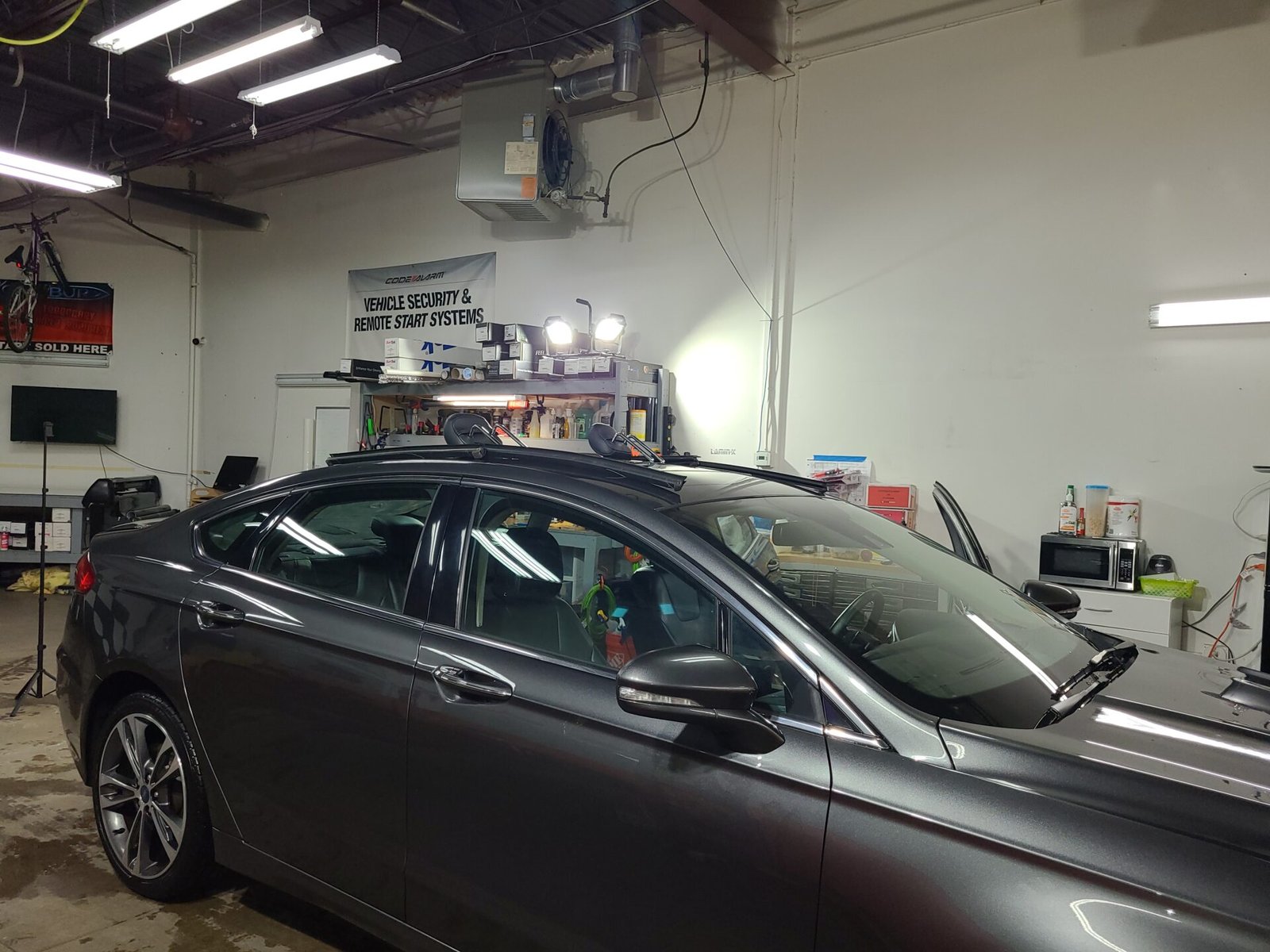
In-shop service offers controlled lighting, work benches, and a dust-free environment. Shops handle complex jobs—rear windshields, bonded glass, and multi-layer films—more reliably than mobile setups.
Ask about warranties, curing time, and whether the tech uses plotter-cut templates. Verify that the installer confirms legal VLT (visible light transmission) limits for your state before applying the film.
Paint Protection Film and Additional Enhancements
Paint protection film (PPF) shields painted surfaces from chips and can be applied to bumpers, hood, and mirrors. PPF is thicker than window tint and uses clear urethane that self-heals minor scratches with heat.
Installers can combine window tint and PPF for full-vehicle protection. You can add ceramic coatings over PPF for easier cleaning and extra UV resistance. Each enhancement requires its own prep: PPF needs exact panel fitment and edge sealing to prevent lifting.
Request portfolio photos of finished PPF and tint jobs, and confirm manufacturer warranties. Follow clear care instructions—such as avoiding automated car washes during the curing period—to help your films last longer.
Long-Term Comfort Starts With Certified Tint Installation
Professional window tinting gives you cooler rides, UV defense, and a clean finish that lasts. With certified materials and trained hands, your car stays protected inside and out.
At Polarizauto, every tint job follows brand-approved processes using premium ceramic or carbon films. Our goal is to give you lasting clarity, comfort, and legal peace of mind with every installation.
Ready to upgrade your driving comfort? Visit our tinting studio for a free consultation and see how professional film can transform your ride.
Frequently Asked Questions
This section covers questions about installation time, laws, privacy, resale impact, upkeep, and material quality for professional tint jobs. Each answer gives practical points to help you decide and care for window film.
How long does it typically take for car window tinting installation?
A full sedan usually takes about 1 to 2 hours for professional installation. Two front side windows often finish in 30 to 40 minutes. Larger vehicles or complex rear windows can take up to 3–4 hours. If the shop removes old film first, allow extra time for stripping and cleaning.
What are the legal restrictions for window tinting in my area?
Tint laws vary by state and sometimes by city. Check your state’s visible light transmission (VLT) rules—for example, some places require 70% VLT on front side windows. Windshield rules usually allow only non-reflective tint above the top few inches. Keep your registration and local DMV site handy to confirm exact limits and exemptions.
Can window tinting improve the privacy and security of my vehicle?
Darker rear and side tints reduce visibility into your car, lowering the chance of theft. Film also helps hold glass fragments together if a window breaks, reducing flying shards. Very dark front-side tints can draw legal attention in some areas. Balance privacy needs with local law to avoid fines.
How does car window tinting affect my vehicle’s resale value?
Quality tint protects your interior from UV fade, which helps preserve upholstery and dash condition. That preservation can make your car more attractive to buyers. Poorly installed or bubbled tint can hurt resale value and look unprofessional. Use a reputable shop and keep installation records to show buyers.
What maintenance is required to preserve the quality of my tinted windows?
Wait 24 hours before washing the car, and avoid rolling windows down for 2–4 days after installation. This lets the adhesive cure and prevents peeling. Clean with a soft microfiber cloth and an ammonia-free cleaner. Avoid abrasive tools and sharp objects that can scratch the film.
Are there varying qualities of tint materials, and how do they differ?
Yes. Basic dyed films cut glare and cost less, but they may fade faster. Metalized films block heat better and last longer, but they can interfere with antennas. Ceramic films cost more, block heat and UV rays well, and resist fading without affecting signals. Higher-quality films usually have longer warranties and clearer optical quality.