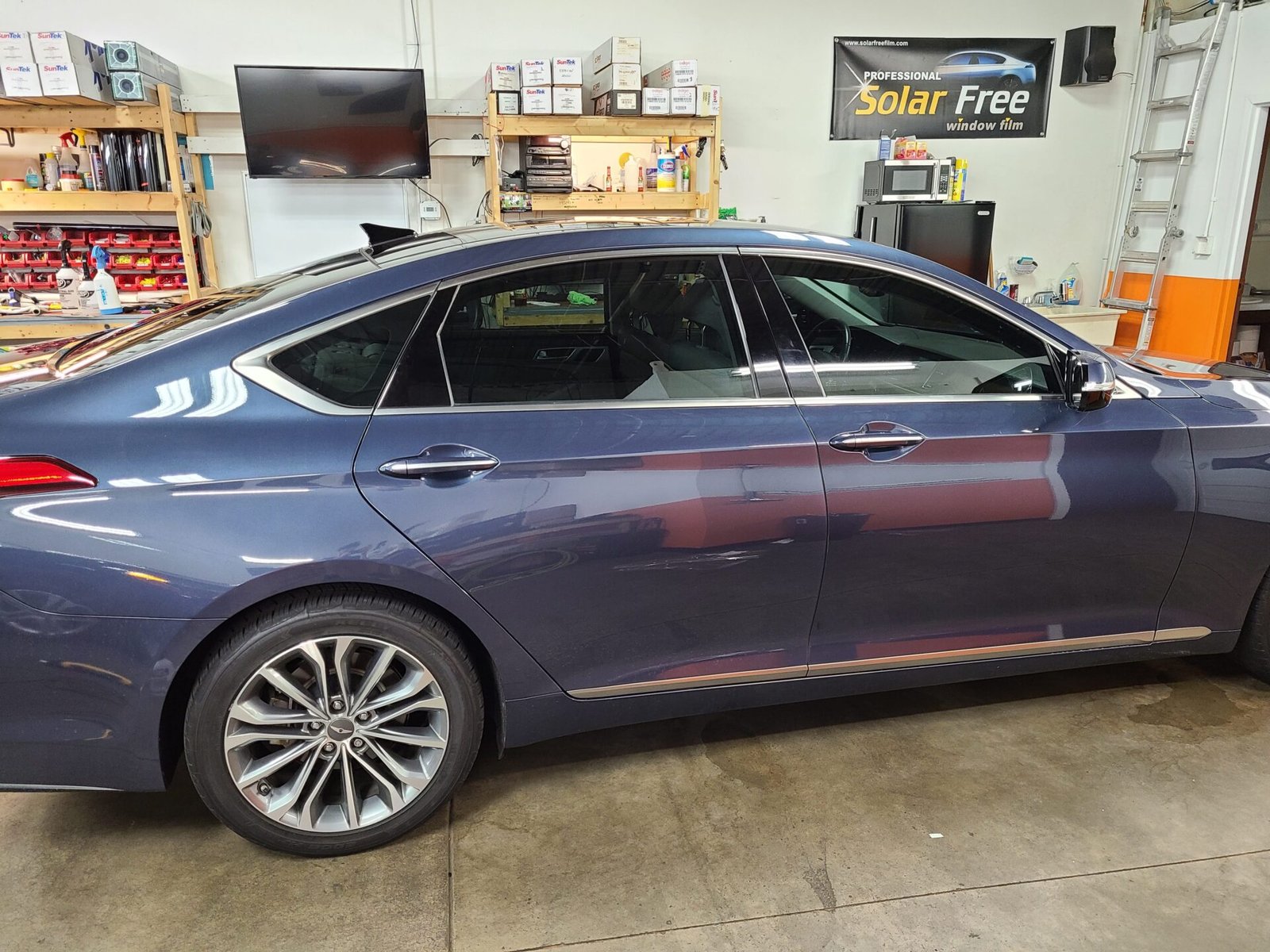
You want your car’s ceramic coating to keep protecting paint and looking great. Small habits – like the right wash technique, quick spot treatments, and occasional refreshes – make the coating last longer and save you time and money.
Gentle, regular cleaning and proper drying keep contaminants from bonding to the coating and help water bead up like it should. Quick checks and simple fixes stop stains and damage before they get out of hand, and knowing when to boost or reapply the coating protects your investment.
If a job’s more than you want to tackle with a sponge and a hose, trust local pros. Polarizauto can handle professional inspections and reapplications so your car stays protected—no guessing needed.
Understanding Ceramic Coating
Ceramic coating is a clear, tough layer that bonds right to your car’s paint. It changes how water, dirt, and sunlight interact with the surface, so daily care gets easier and your finish stays protected.
Ceramic coating is a liquid polymer you apply to painted surfaces. Once it cures, it forms a thin, glassy layer that sticks to the paint. Pros usually use silicon dioxide (SiO2) or similar stuff that creates a strong chemical bond.
You’ll find both consumer and pro-grade formulas out there. Professional coatings last longer and resist stains better. For best results, the paint needs to be squeaky clean and decontaminated before application so the coating bonds well.
Applying ceramic coating usually takes several hours, sometimes a full day, counting prep and curing. Once it’s cured, the coating turns hydrophobic, looks glossy, and is tougher to scratch than bare paint. It’s not bulletproof, but it definitely adds a strong protective barrier.
How Ceramic Coating Protects Your Car
Ceramic coating repels water and makes it harder for dirt and grime to stick. Water just beads up and rolls off, so you get fewer water spots and rinsing is a breeze.
It blocks most UV rays, which helps slow down fading and oxidation. Paint color stays truer, clearcoat lasts longer. The coating also shrugs off chemical etching from bird droppings, bug splatter, and road salts better than bare paint—but you still want to clean those off quickly.
It adds surface hardness, so you’re less likely to see light scratches and swirl marks from washing. Of course, rocks can still chip the paint. You still need good wash habits and safe tools to keep the finish looking sharp.
Why Ceramic Coating?
Cleaning gets way easier—dirt and grime just don’t cling as much. You’ll spend less time washing and won’t need to polish as often. The glossy finish brings out the paint’s depth and shine, all without waxing.
You get long-term UV protection, so your paint color stays vibrant and the clearcoat holds up. Many pro products protect for years if you keep up with maintenance, saving money on paint correction or waxing.
Professional application, like what Polarizauto offers, gives you the best results. They prep the paint, apply the coating evenly, and walk you through aftercare so you get the most from the product.
Regular Cleaning for Ceramic Coated Cars
Keep cleaning simple and regular. Use gentle products, wash the right way, and dry the car quickly to avoid spots and protect the coating.
Choosing Compatible Car Wash Products
Go for a pH-neutral car shampoo labeled safe for ceramic coatings or “sealed” finishes. These won’t strip the coating’s hydrophobic layer. Skip all-purpose cleaners, dish soap, or harsh degreasers—they’ll dull the coating over time.
Look for “no wax” or “coating safe” on the label for lasting slickness. Use a dedicated wheel cleaner for brake dust—pick one that’s safe for coated wheels, since some are acidic. Keep a separate microfiber or wash mitt for lower panels and another for the top to avoid dragging grit around.
Safe Washing Techniques
Rinse the car thoroughly with a pressure nozzle or foam lance before you touch the paint to remove loose grit. Use the two-bucket method: one bucket for shampoo, one for rinsing your mitt. Dip a soft microfiber mitt in shampoo, wash a panel, then rinse the mitt before hitting the next spot.
Wash from top to bottom in straight lines, not circles, to avoid swirl marks. Rinse each panel after washing. Never use an abrasive brush or scouring pad. If you’re using a pressure washer, keep the nozzle at least a foot from the paint and stick to a wide spray.
Water Spot Prevention
Dry the car right after rinsing so minerals don’t leave water spots. Use a plush microfiber drying towel or a soft silicone squeegee to get most of the water, then follow with a towel to blot up the rest. Work in the shade or on a cool surface if you can.
If you spot water spots, use a remover made for coated cars or try a gentle vinegar solution (1:3 with distilled water). Rinse and dry after. For ongoing prevention, a detail spray safe for ceramic coatings helps—just mist after drying to boost water beading and repel future spots. Not sure what to pick? Polarizauto can point you to good local products.
Proper Drying Methods
Dry your car right after washing to protect both the ceramic coating and the paint. Use clean tools, work in the shade, and go from top to bottom to avoid water spots and trapped moisture.
Using Microfiber Towels
Only use plush, high-quality microfiber towels made for drying—aim for at least 300 GSM. Fold towels into quarters so you always have a clean section, and swap folds as they get wet.
Blot or gently glide the towel across each panel—no need to press hard. When a towel’s soaked, grab a dry one. Rinse and wring towels between sections if needed, or just keep extras on hand.
Skip household cotton or chamois—they leave lint or can scratch. After drying, wash towels without fabric softener and dry on low heat to keep them in good shape.
Avoiding Swirl Marks
Use a clean towel for each big panel and don’t press hard. Heavy rubbing or scrubbing in circles causes friction and can leave visible swirls.
Try the two-towel method on stubborn water: one towel to lift most moisture, another to buff. Work in straight lines along the panels, not circles.
If you spot grit or debris, stop and rinse that area before you keep going. Most swirls come from small particles dragged across the coating, so keep towels and wash water clean. Polarizauto suggests checking towels often to avoid contamination.
Routine Inspection and Spot Treatments
Check your coating regularly and tackle small problems right away to keep the finish strong and easy to clean. Look for fading, sticky spots, or trapped dirt, and get rid of contaminants before they can etch the paint.
How to Check for Coating Degradation
Take a good look at your car every month or two under decent light. Walk around and see if water still beads up, or if you spot dull patches or a rainbow haze. If beading is weak or gloss is gone, the coating might be wearing thin.
Spray a little water to test: strong beads mean the coating’s good; flat sheets or spotting mean it needs help. Run your fingers lightly over the paint after washing—if it feels rough or sticky, the top layer might be compromised.
Jot down the date, what you find, and any fixes in a simple log. If the same spots keep failing after winter or near trees, you’ll catch patterns and can prevent bigger issues.
Addressing Contaminants Early
Get rid of bird droppings, tree sap, bug guts, and tar ASAP. These can break down the coating if left too long. Use pH-neutral car shampoo and a soft microfiber towel for safe cleaning.
For stubborn stuff, soak with a quick-detail spray or a dedicated remover for 5–10 minutes, then gently lift with a clay mitt or soft clay bar. Don’t scrub hard—that’ll abrade the coating.
If a spot won’t come off, note it and book a professional inspection. Shops like Polarizauto can check if you need a light polish or a recoat. Regular spot treatment saves time and keeps the protective layer working.
Boosting and Refreshing the Coating
Small, regular steps keep your ceramic coating working and looking new. Use maintenance sprays for quick touch-ups, and save top-up coatings for when slickness and water beading fade.
Applying Maintenance Sprays
Pick a spray made for ceramic coatings or a SiO2 maintenance spray. Wash, rinse, and dry the car first. Mist one panel at a time and wipe with a clean microfiber towel in straight lines.
Maintenance sprays lay down a thin layer that restores shine and water beading. They wipe away light dust, oils, and fingerprints without stripping the main coating. For best results, work in the shade and flip towels often to avoid streaks.
Apply sprays every few weeks, more often if you drive in winter or near salt. Regular use can delay the need for a full recoat.
When to Use Top-Up Coatings
Top-up coatings are thicker products that reinforce ceramic layers. Use them when water stops beading, the surface feels less slick, or gloss looks dull. Pour a little water—if it sheets instead of beads, it’s probably time.
Prep the paint by decontaminating and claying if needed, then apply in small sections as the product says. Cure time can be a few hours to a full day—avoid rain and humidity during that window. If you’re doing it yourself, follow instructions closely. For longer-lasting results, a professional service like Polarizauto can inspect and apply a top-up to stretch the original coating’s life.
Handling Stains and Difficult Contaminants
Act fast. Use gentle, safe cleaners and soft microfiber cloths to protect the ceramic layer while removing tough stains.
Treating Bird Droppings and Tree Sap
Bird droppings and tree sap can etch paint quickly. If you spot droppings, rinse the area with a spray bottle or low-pressure hose right away to soften things up. Let it soak for a minute, then gently blot with a microfiber towel—don’t scrub hard or you’ll risk damaging the coating.
If residue sticks, try a pH-neutral ceramic-safe cleaner or a quick-detailer sprayed onto the spot. Let it sit as the label says, then lift with a microfiber towel. For tree sap, dab a little isopropyl alcohol (70%) on a folded microfiber swab and roll the sap off—test a hidden spot first. After removal, wash and reapply a maintenance spray or a drop of ceramic topper to bring back water beading.
Removing Tar and Bug Splatter
Tar and bug guts can stick tight—remove them before they bake in. Start by softening with warm water and a ceramic-safe pre-wash or bug-and-tar remover. Let it sit a minute or two, but don’t let it dry.
Use a plastic clay bar or dedicated tar remover for leftovers. Glide the clay over a lubricated surface in straight lines; flip when dirty. For tar, a gentle solvent works—apply to a microfiber towel (not straight on the paint) and wipe gently. Finish by washing, drying, and adding a bit of ceramic maintenance spray to keep the coating’s shine. Polarizauto suggests testing any solvent in a small spot first and wearing gloves for safety.
Seasonal Maintenance Tips
Winter salts, road grime, heat, and sun all take their toll on coated paint. Use the right wash tools, skip harsh chemicals, and add targeted protection so your coating lasts and the finish stays glossy.
Preparing for Winter Conditions
Before winter hits, give your car a thorough wash to clear away bugs, tar, and any lingering grime. Slap on a topper or a ceramic-safe maintenance spray to help water (and salt) slide right off when the roads get nasty.
You’ll want to wash more often in winter—think every week or two if you’re driving where they salt the roads. Stick with pH-neutral soap, soft microfiber mitts, and the classic two-bucket method to avoid scratches. If you can, rinse out the wheel wells and blast the undercarriage to cut down on rust from all that salt.
Skip those automated brushes—they’ll just wear down your coating. If you’re stuck with a drive-through wash, try to follow up with a gentle hand wash at home when you get a chance. Parking in a garage or at least under cover helps limit the freeze-thaw cycle and keeps salt from sticking around.
Hot Weather Care
When it’s blazing out, park in the shade or toss on a car cover to shield your paint from UV rays and heat. Hot surfaces make things like tree sap and bird droppings bake in fast, so try to wash those off quickly—ideally within a day.
Every couple of months, use a UV-safe spray to keep that water-beading action and shine going strong. Wash in the shade and use cool water so the soap doesn’t dry up and leave spots. Grab a clean, plush microfiber towel for drying—no one likes water marks.
Long road trip in the sun? Check your tires and trim for faded plastic. Wipe on a trim protectant that won’t mess with your ceramic coating to bring back some color. Not sure what’s safe? Reach out to pros like Polarizauto—they’ll steer you right.
Long-Term Care Habits
A few small habits pay off big. Think about where you park and skip those automatic brushes if you want to keep your finish looking sharp. It’s not rocket science, just a bit of extra attention.
Parking Strategies for Protection
Find a shady spot during the hottest part of the day to keep your car cooler and slow down UV wear on the paint and coating. If there’s no shade, try parking with the front facing away from the sun to protect the dash and windshield.
Steer clear of trees that drip sap or attract birds—those messes are a pain. If you have no choice, check your car as soon as you get back and gently wipe off anything fresh with a detailer spray and microfiber towel. For long-term street parking, use a breathable cover, not a tight plastic one that traps moisture.
Whenever you can, pick a spot away from heavy traffic to dodge door dings and grime. Backing in can make getting out easier and safer on busy streets. Little choices like these go a long way in keeping your coating looking good.
Avoiding Automated Car Washes
Automated washes with big spinning brushes? Just say no. They’ll leave swirl marks and strip away some of your coating’s magic. If you have to use a machine, stick to touchless options, and rinse off any leftover chemicals when you get home.
Hand washing is the way to go. Use two buckets—one for soap, one for rinse water. A soft microfiber mitt is your friend; rinse it often. Dry with a plush towel or a soft drying blade to avoid streaks.
Pick pH-neutral shampoo and sprays made for ceramic coatings. Top up with a maintenance spray every few months or after a messy drive to bring back that water-repelling finish. If you’d rather not deal with it, Polarizauto can handle maintenance washes that keep your coating protected.
When to Reapply or Replace Ceramic Coating
Ceramic coatings don’t last forever—and knowing when to refresh or replace yours can be the difference between flawless paint and slow, sneaky damage. At Polarizauto, we help Minnesota drivers keep their coatings performing at their best, season after season.
Signs Your Coating Needs Replacement
If your coating stops beading water the way it used to or the surface starts looking dull, that’s your first clue the protection is wearing down. When water sheets instead of beads—or when road film sticks easily even after a good wash—the coating’s losing its hydrophobic strength.
Check for these telltale signs:
- Flat water behavior (no tight beads)
- Stains or etching from bugs, droppings, or chemicals that don’t lift with normal maintenance
- Uneven gloss or patchy shine under direct light
- Swirl marks showing up more easily
- Age – most coatings run 2–5 years depending on quality and upkeep
If you’re unsure, we can inspect the coating and test hydrophobic performance so you know exactly where things stand—no guessing needed.
Professional vs. DIY Reapplication
DIY sprays and “boosters” can help for short-term slickness and minor hydrophobic loss, but they don’t fix deeper issues. They’re fine for extending a coating that still has life left—but they can’t revive one that’s breaking down.
A professional reapplication is your best bet when:
- The coating looks uneven
- Contamination won’t come off with clay
- You notice visible wear or etching
- Your coating is aging out of its normal lifespan
At Polarizauto, we’ll deep-clean and decontaminate the paint, correct any defects, remove dead coating, and reapply a fresh ceramic layer with proper curing conditions. That means stronger durability, better gloss, and protection that actually lasts through Minnesota winters.
Ready to Refresh Your Ceramic Coating?
If your coating isn’t performing like it used to—or you just want a pro to evaluate it—Polarizauto has you covered. Our team specializes in long-lasting ceramic protection built for Minnesota’s freeze–thaw cycles, salt, and sun.
Book a coating inspection or recoat with Polarizauto today and keep your paint protected, glossy, and winter-ready.
Frequently Asked Questions
Here’s a quick rundown on care steps, timing for maintenance, what to skip, and which products actually help your ceramic coating last. Simple routines keep things easy and the coating strong.
What are the best practices for washing a ceramic coated vehicle?
Start by rinsing off loose dirt and grit. Use a pH-neutral shampoo and two buckets—one for soapy water, one for rinsing.
Wash from the top down with a soft mitt, rinsing it often so you’re not just moving grit around. Dry with a clean microfiber towel or a blower to avoid water spots.
How often should I apply a maintenance spray to my ceramic coating?
For daily drivers, every 1–3 months is about right. If you’re parking outside or driving on salted roads, bump that up to every 4–6 weeks.
Spray it on after washing and drying. A light mist and a quick wipe with a microfiber towel will boost gloss and water-beading.
Are there specific products recommended for ceramic coating upkeep?
Stick with products labeled safe for ceramic coatings or “maintenance” sprays. Go for pH-neutral shampoos and gentle detailers.
Skip waxes and so-called “permanent” sealants—they can mess with your coating’s surface. When in doubt, ask a pro at Polarizauto for advice.
What substances or activities should I avoid to protect my ceramic coating?
Avoid automatic car washes with stiff brushes or harsh soaps. Don’t use abrasive polishes, rough rubbing compounds, or aggressive clay bars.
Stay away from strong tar removers and household cleaners like bleach or dish soap. Clean off bird droppings and tree sap quickly so they don’t stick around.
When is it appropriate to use a ceramic coating booster?
Reach for a booster when water stops beading or the shine dulls. For most coatings, that’s somewhere between 6 and 24 months, depending on your driving and weather.
Apply the booster after a full wash and dry. Always check the instructions and test a small spot first to make sure it plays nice with your coating.
Can you recommend a maintenance kit for preserving my ceramic coating?
Go for a kit with a pH-neutral shampoo, a maintenance spray or booster, a couple of microfiber wash mitts, two microfiber drying towels, and a soft tire brush. That pretty much covers your bases for regular washing, drying, and quick upkeep.
If you’re after specific brands or want to make sure it matches your coating, maybe reach out to Polarizauto—they’re usually good for local tips and some real hands-on advice.