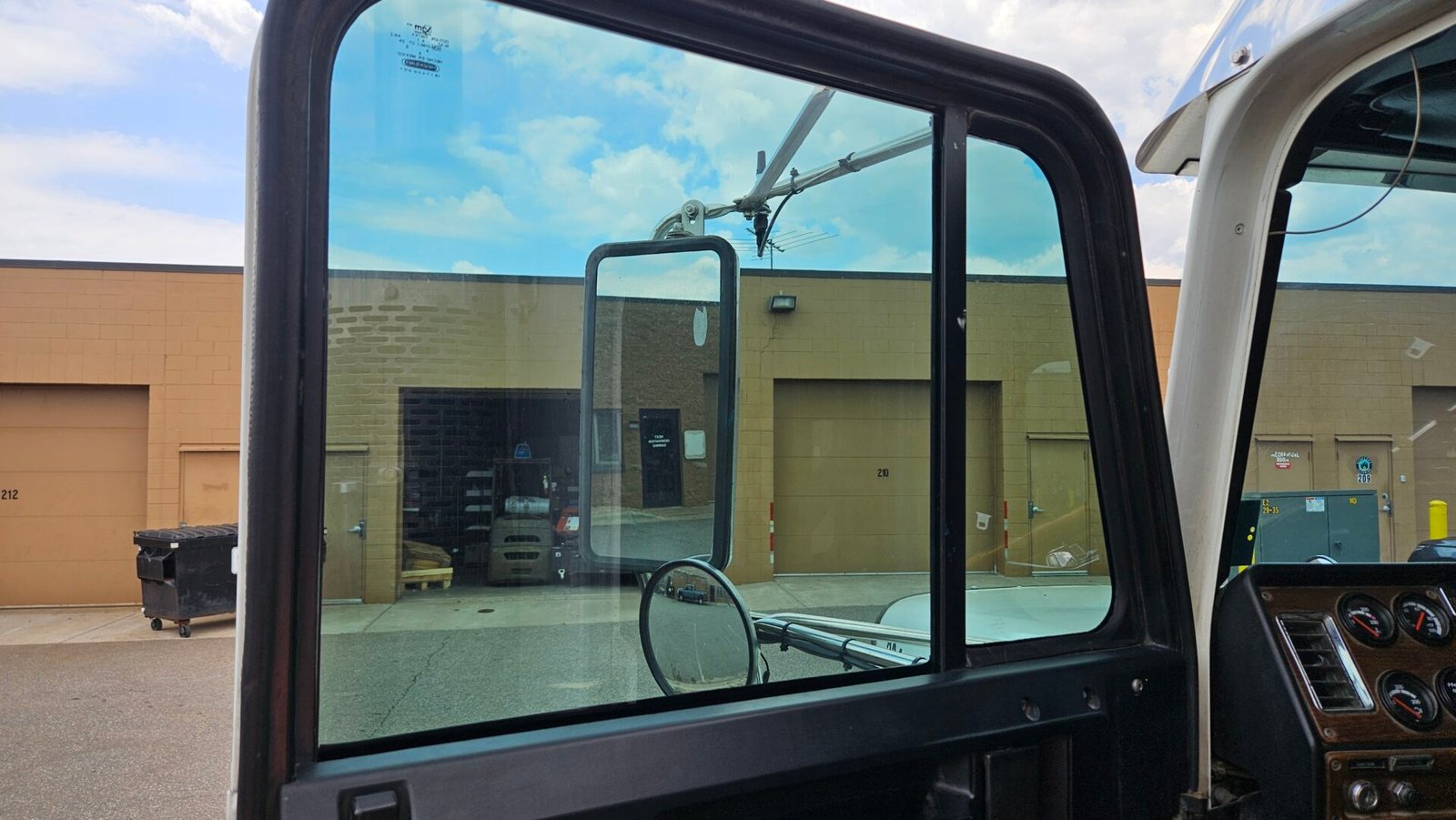
Installing automotive window tint enhances comfort, reduces glare, and protects your car’s interior from UV damage in Minnesota’s varying weather. With the right materials, technique, and patience, you can improve both appearance and performance.
At Polarizauto in Ramsey, MN, our expert team helps drivers choose and install high-quality window tint for lasting results. Whether you’re upgrading for privacy, heat control, or protection, we make the process simple, stress-free, and tailored to your vehicle’s needs.
In this guide, you’ll learn how to install automotive window tint step by step—from surface prep and cutting to curing and care—so you can decide whether to go DIY or trust the professionals for a flawless finish.
Understanding Window Tint Options
When deciding on automotive window tint, you’ll want to know the types available, how to pick the right shade and material, and what legal limits apply in your area. These factors will affect your vehicle’s comfort, protection, and compliance with local laws.
Types of Automotive Window Tint
There are several common types of window tint films, each with unique features:
- Dyed Tint: This is the most affordable option. It uses a layer of dye to absorb light, reducing glare and improving privacy. However, dyed tints offer limited heat and UV protection and tend to fade over time.
- Metalized Tint: Contains tiny metallic particles that reflect heat and UV rays. It offers stronger durability and heat rejection, but can interfere with electronic signals like GPS or radio.
- Carbon Tint: Made with carbon particles, this type blocks infrared light effectively, reducing heat without fading. It also doesn’t interfere with signals.
- Ceramic Tint: The premium choice, ceramic tint provides excellent heat rejection, UV protection, and clarity without affecting electronics. It is more costly but lasts longer and performs better in extreme conditions.
Knowing these options helps you decide based on your budget, desired heat protection, and signal interference sensitivity.
Choosing the Right Shade and Material
Selecting the right shade means balancing privacy, visibility, and temperature control. Tint darkness is measured by Visible Light Transmission (VLT) percentage—the lower the number, the darker the tint.
- For front windows, a VLT of 35-50% is common to maintain visibility and comply with many state laws.
- Rear and back windows can often be tinted darker, sometimes down to 5%.
You should also consider the tint’s material based on your climate and daily driving conditions. For example, ceramic tint is excellent in Minnesota’s wide temperature range due to its superior heat rejection and durability.
If you opt for a DIY install, proper material thickness and quality are essential to avoid bubbling or peeling. Professional installation, like the services offered by experts, ensures a flawless fit and finish that lasts.
Legal Considerations for Window Tint
Laws regulating window tint vary by state, focusing mainly on visible light transmission (VLT) percentages for different windows. In Minnesota, for example:
- Front side windows typically must allow at least 50% light through.
- Rear side and back windows have fewer restrictions and often allow darker tints.
- Windshield tinting is usually limited to the top few inches (often called the “AS-1” line).
It’s crucial to check local regulations before installing your tint to avoid fines or the need to remove illegally darkened films. Some police departments have devices to measure tint darkness accurately, so even small differences matter.
Professional tinting services offer guidance and use films that comply with local limits, helping you avoid legal issues while enhancing your vehicle’s comfort and style.
For more detailed guidance on tint types and installation, see this complete beginner’s guide.
Understanding Minnesota’s Window Tint Laws
Minnesota has specific window tint regulations that drivers must follow to stay compliant. CBS News reports that, in Minnesota, front side windows must allow at least 50% of light to pass through, while rear windows can be darker.
Violations can lead to fines or inspection failures. Always check the official Minnesota tinting laws before starting your installation project.
Essential Tools and Materials for Installation
To install automotive window tint effectively, you need the right tools and materials prepared and organized. Each tool plays a specific role, from cutting the film precisely to ensuring a smooth, bubble-free application. Understanding these elements will help you achieve professional results.
Window Tint Kits Overview
Window tint kits typically include pre-cut film tailored to your vehicle’s windows along with basic accessories like a spray bottle and application card. Using a pre-cut kit saves time and reduces errors compared to cutting film from bulk rolls. If you prefer custom cuts or tinting multiple vehicles, bulk film rolls offer flexibility but require more skill and tools.
A good window tint kit should consist of:
- High-quality tint film with heat rejection and UV protection
- Solution spray bottle (to apply soapy water mix)
- Squeegee or application card for smoothing out air bubbles
- Installation guide and template (for pre-cut kits)
Starting with a reliable kit ensures you have matched materials designed for your car’s windows, which improves durability and appearance. For a comprehensive list of tools and materials, you can check detailed guidance on how to install auto window tint.
Importance of Baby Shampoo Solution
Baby shampoo diluted in water is a standard cleaning and installation solution for tinting. It works because the shampoo is gentle and free of oils, which helps the tint film slip smoothly across the glass without damaging the adhesive backing.
You mix a few drops of baby shampoo into water to fill your spray bottle. This soapy solution:
- Cleans the window surface of dirt and oils before applying tint
- Creates a slick layer to move the film into pthe erfect position
- Helps prevent trapped air bubbles during smoothing
Unlike harsher soaps or chemicals, baby shampoo won’t interfere with the film’s glue or cause hazing. Using this solution properly sets a clean, even surface and makes your tinting job much easier and longer-lasting.
Heat Gun Usage for Tinting
A heat gun is essential for conforming the tint film to curved windows. As window glass is often slightly contoured, heating the film softens it, allowing you to bend and stretch it without tearing.
When using a heat gun:
- Hold it several inches from the film to warm evenly without overheating
- Apply gentle heat, especially around edges and curves, for tight adhesion
- Use a cloth or squeegee to press the film firmly onto the glass after heating
Avoid direct prolonged heat in one spot to prevent blistering or warping the tint. A heat gun or a similar professional tool is reliable for adjusting tint films precisely.
Role of Razor Blades and Cutting Tools
Sharp cutting tools are critical for trimming excess tint film and achieving clean edges. Razor blades or precision utility knives allow you to cut accurately around window seals and corners.
Key points for cutting tools:
- Use a new razor blade to avoid snagging and uneven edges
- Cut slowly and steadily along window outlines or pre-marked guides
- Always work on a clean, dry surface to prevent slipping
A poor cut can affect how well the tint adheres and how professional it looks once installed. Having a range of razor blades or specialty knives improves your control and finish quality throughout the project.
Using these materials thoughtfully will help you complete your window tint installation with confidence and durability.
Preparation Before Installing Window Tint
To get the best results when installing automotive window tint, you need to prepare carefully. This means making sure the windows are spotless and measuring the tint film precisely before cutting. Taking these steps seriously prevents bubbles, wrinkles, and uneven edges in your tint.
Cleaning and Prepping the Windows
Start by completely cleaning your windows inside and out. Use a high-quality glass cleaner and lint-free cloths to remove all dirt, grease, and residues. Any leftover particles will cause bubbles or peeling after the tint is applied.
Use a razor blade carefully to remove tough grime or stickers stuck on the glass. Make sure to handle the blade gently to avoid scratching the window.
After cleaning, dry the windows thoroughly with a microfiber cloth. Avoid touching the glass afterward to prevent oils from your fingers from spoiling the prep work.
Measuring and Cutting the Tint Film
Accurate measuring is crucial for a neat tint job. Measure your windows carefully using a tape measure, noting width and height for each pane. Cut your window tint film slightly larger than the measured size—about a quarter-inch extra on all sides.
This extra margin allows for trimming the film precisely after application. Before cutting, lay the tint film on a clean, flat surface. Use a sharp utility knife or razor blade for clean edges. Scissors can cause uneven cuts and rough edges, which can affect the final look.
Experts recommend using a spray bottle with soapy water during installation to help position the film before final trimming. This technique also helps reduce unwanted air bubbles.
Step-By-Step Window Tint Installation Process
Installing window tint requires careful preparation, precise cutting, and thorough application to ensure a durable, smooth finish. You’ll need basic tools like a squeegee, a heat gun, and a spray bottle with soapy water to get started. Each type of window—side, rear, or curved glass—has its own technique to achieve the best results.
Applying the Film to Side Windows
Start by thoroughly cleaning the inside of the side windows to remove dust and oils. Spray the glass with soapy water to keep the surface wet, which allows you to reposition the tint film as you apply it.
Cut the tint film slightly larger than the window size. Peel off the backing carefully and apply the adhesive side to the glass, starting at the top. Use a squeegee to press the film from the center outward, pushing out excess water and air bubbles.
Use a heat gun on low setting to gently warm the film, making it flexible and helping it conform to the contours of the window. Trim the edges carefully with a sharp utility knife for a clean fit.
Installing Tint on Rear and Curved Glass
Rear and curved windows present an extra challenge because the film needs to mold smoothly over irregular surfaces. Use a heat gun extensively to warm the film before and during application, allowing it to shrink and fit snugly without creases.
Apply the tint film slowly, starting from the top center and working your way down. Keep the film well-moistened with soapy water to aid positioning. For tight curves, preshrinking the film by warming it separately before application helps reduce wrinkles.
Once placed, continue using a squeegee with firm but careful pressure. The heat gun can be reapplied after pressing the film to further secure the fit and activate the adhesive. Trim any excess film for a polished look.
Smoothing Out Bubbles and Imperfections
After applying the film, bubbles and small imperfections are common. Use the squeegee with firm pressure to push trapped air and moisture toward the edges. Work slowly and methodically from the center outward.
Persistent bubbles can often be removed with gentle heating from the heat gun. Heat softens the adhesive, allowing you to smooth the film further. Avoid overheating, which might damage the tint. If small bubbles remain near the edges, a pinhole can release trapped air.
However, this should be a last resort as it may affect durability. Proper preparation and careful application usually minimize these issues. For detailed guidance on the entire process, look for professional-grade window tint kits that include tools and clear instructions.
This helps you get professional-quality results, whether you’re doing it at home or preparing for expert tinting in Ramsey, MN. For a full overview and visual support, see this step-by-step window tint installation guide.
Aftercare and Troubleshooting Tips
Proper care after installing window tint is key to ensuring it lasts and looks good. Knowing how long it takes to cure and what to do if issues appear will help you protect your investment and avoid damage.
Drying and Curing Time Recommendations
After window tint installation, you need to keep your car windows rolled up for at least 48 hours. This prevents edges from peeling or lifting as the adhesive sets.
Tint adhesives rely on heat and sunlight to cure fully. Depending on temperature and humidity, curing can take up to 7 days. If you live in colder areas, expect the process to take longer because the adhesive needs warmth to activate.
Avoid washing your windows or exposing them to moisture during curing time. Condensation or wetness can cause bubbles or slow adhesion. Keeping your vehicle parked in a warm, dry place will speed up curing.
It’s best to limit window movement during this phase to prevent stress on the film. If you notice any bubbling, it usually disappears within the cure period as the adhesive settles.
Addressing Common Installation Issues
If you see bubbles, haze, or peeling after installation, don’t panic. Some issues naturally resolve as the tint cures. Small bubbles often evaporate within a week. Persistent bubbles or peeling at the edges usually result from trapped dust or improper surface prep.
You may need a professional reinstallation in these cases. Use a soft cloth and mild cleaner to avoid scratching the tint during aftercare. Never use ammonia-based products, as they can degrade the film.
If you accidentally roll your windows down too soon, the edges might lift. In these cases, professional patching or a complete redo is the safest fix. For any major problems, contacting a trusted local service ensures expert help without risking further damage.
Keep Your Ride Cool, Protected, and Stylish
Installing automotive window tint is one of the best upgrades for comfort, privacy, and UV protection. With proper preparation and patience, even beginners can achieve professional results that enhance their car’s look and longevity.
From selecting the right tint shade to ensuring a smooth, bubble-free finish, attention to detail makes all the difference. If you prefer experts, Polarizauto provides professional tinting services that deliver lasting quality.
Ready to protect your car from the sun and boost its style? Book your window tint appointment and experience the perfect blend of comfort and craftsmanship.
Frequently Asked Questions
What are the necessary steps to tint car windows professionally?
First, clean the windows thoroughly to remove dirt and oils. Measure and cut the tint film to the exact size of each window. Apply a soapy water solution to help position the film before firmly pressing it onto the glass. Use a squeegee to remove air bubbles and excess water, then allow the tint to cure.
What equipment is required to install automotive window tint effectively?
You’ll need tint film, a spray bottle with soapy water, a squeegee or plastic card, a sharp utility knife, a heat gun or hairdryer for shrinking and fitting, and lint-free cloths. These tools help ensure smooth application and proper adhesion to your car windows.
Can window tint be applied without using any tools, and if so, how?
Applying tint without tools is not recommended because precision cutting, smoothing bubbles, and proper adhesion require them. However, some simple static cling films can stick to windows without adhesives or tools, but these aren’t as durable or professional-looking as standard tint films.
What are the beginner-friendly techniques for tinting automotive windows?
Start with smaller, flat windows to practice. Use plenty of soapy water to position the film before pressing it down. Work slowly to push out bubbles with a squeegee, and trim excess film carefully. Avoid rushing and allow plenty of drying time to minimize mistakes.
How can one achieve a 35% tint appearance on all car windows?
Select window tint film rated to 35% Visible Light Transmission (VLT). Measure and cut each piece with precision, then apply it using the standard installation process. Consistent film quality and careful application make sure the 35% tint looks uniform across your vehicle.
What are the possible drawbacks of applying tint to car windows?
Poorly applied tint can bubble, peel, or reduce visibility, especially at night. Some states have legal limits on how dark a tint can be, so it’s important to check local regulations. Tint film may also slightly degrade over time due to sun exposure or cleaning with harsh chemicals.