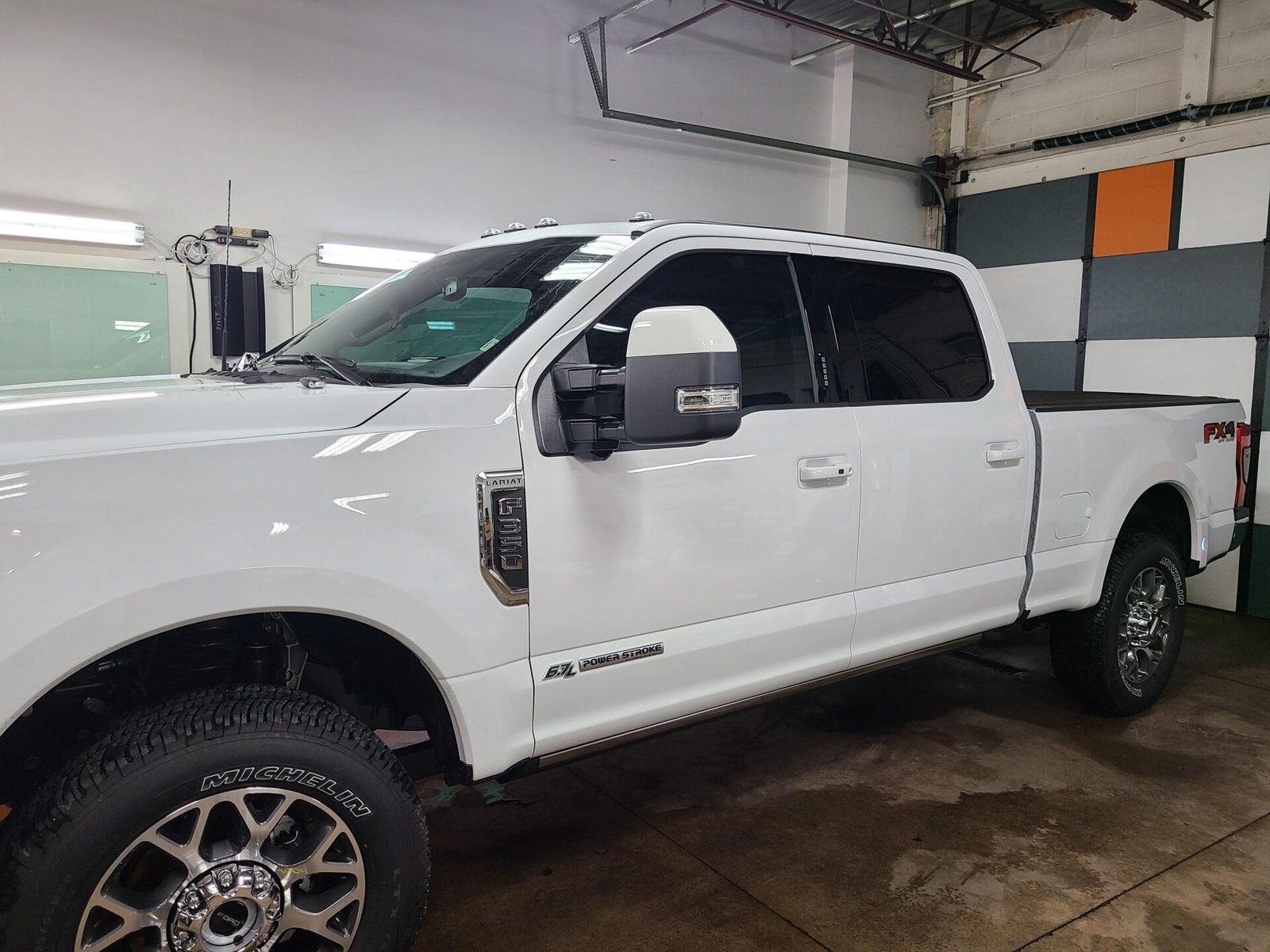
Ceramic window tint offers unmatched heat control, UV protection, and clarity for Minnesota drivers seeking long-term comfort. In 2025, costs typically range from $350 to $800, depending on vehicle size, window count, and tint grade, giving car owners premium protection at a fair price.
At Polarizauto, we specialize in high-quality ceramic tint installations that combine technology with craftsmanship. Our team ensures every window is coated evenly for lasting performance and a clean, professional finish you can rely on year after year.
In this article, you’ll learn what affects ceramic tint pricing, how it compares to other films, and what value to expect from professional installation. We’ll break down quality, cost, and maintenance so you can make the best investment for your car’s comfort and protection.
Ceramic Window Tint Cost Overview
Understanding the factors that affect ceramic window tint pricing helps you budget wisely. Prices vary by vehicle type, tint quality, and installation conditions, with clear differences between partial and full coverage. Knowing these details lets you make informed choices for your car’s protection and comfort.
Average Price Ranges in 2025
For a full vehicle, ceramic window tint typically costs between $350 and $1,200. Smaller jobs, like tinting just the front two windows, usually range from $100 to $200 per window. Residential tinting is often priced by the square foot, averaging $8 to $15 per square foot depending on film quality and installation complexity.
Higher upfront costs come with benefits such as improved heat rejection and UV protection. While ceramic tint is pricier than dyed or metalized films, it offers superior clarity and durability, making it a wise long-term investment.
Cost by Vehicle Type
The size and type of your vehicle directly impact ceramic tint costs. Larger vehicles like SUVs or trucks require more film and labor, which pushes the price toward the upper end of the range. Compact cars generally fall on the lower side of ceramic tint costs.
Specialty vehicles or those with unique window shapes may also increase installation expenses. Your choice of ceramic film grade and the experience level of the installer further influence the total cost. A professional service like Polarizauto in Ramsey, MN, ensures consistent quality tailored to your vehicle type.
Factors That Influence Price
Several factors can raise or lower the price of ceramic window tint:
- Type and quality of ceramic film: Higher-grade films cost more but last longer and block more UV rays.
- Number and size of windows: More windows mean higher costs; larger glass surfaces require more film.
- Labor and installation expertise: Skilled installers charge more but produce better, longer-lasting results.
- Geographic location: Prices vary by region due to labor rates and material availability.
Choosing a reputable installer who uses quality materials can save money over time by avoiding frequent replacements or inadequate protection. Polarizauto emphasizes durability and expert application to balance cost and value.
Price Comparison: Ceramic vs Other Tint Types
When choosing tint for your vehicle, cost is a major factor, but it’s just as important to weigh performance and longevity. Different tint types vary significantly in price, heat rejection, and durability, which affects the value you get over time.
Ceramic vs Dyed Window Tint
Dyed window tint is typically the most affordable option, often costing around $100 to $300 for a full car. It uses layered dye to reduce glare and block some heat, but these films tend to fade over time and offer limited UV protection.
Ceramic tint costs more—usually starting at $400 and going up depending on the number of windows and vehicle size. It uses microscopic ceramic particles to block heat and UV rays more effectively without fading or interfering with electronics.
Ceramic also offers better clarity and durability, making it a strong long-term investment. If you want an affordable tint just for appearance, dyed tint works. But for lasting heat reduction and protection, ceramic tint delivers better value despite the higher upfront cost.
Ceramic vs Carbon Film
Carbon tint falls between dyed and ceramic in price, generally ranging from $200 to $500. It uses carbon particles to absorb infrared light, which helps keep your car cooler and blocks UV rays, but doesn’t perform as well as ceramic at rejecting heat.
Ceramic tint costs more but provides superior heat rejection, UV protection, and a longer lifespan. Carbon tint won’t fade like dyed films, but it isn’t as clear and can sometimes give a slight haze effect. If you’re balancing cost and performance, carbon may be a middle ground.
For heat resistance and electronic compatibility, ceramic tint is the top choice. For a solid budget option that outperforms dyed tint, carbon is worth considering.
Ceramic vs Metalized Tint
Metalized tint is often priced similarly to carbon, roughly $200 to $400 depending on the job. It contains tiny metal particles to reflect heat and UV rays, making it quite effective at cooling your car.
However, metalized films can interfere with GPS, radio, and cell signals, which ceramic tint avoids. Ceramic tint offers comparable or better heat rejection without signal interference or risk of corrosion, sometimes caused by metalized films.
Metalized tint is durable and quite heat-resistant, but if you want premium performance without potential electronics issues, ceramic tint is the better investment and may cost slightly more.
At Polarizauto, you can get expert advice tailored to your vehicle, ensuring you choose the right tint type based on your budget and needs in Ramsey, MN.
Benefits of Choosing Ceramic Window Tint
Choosing ceramic window tint offers clear advantages in durability, comfort, and protection. This type of tint goes beyond just darkening your windows—it actively improves your driving experience by reducing heat, blocking harmful rays, and maintaining signal quality. These benefits make ceramic tint a smart investment for anyone looking to enhance their vehicle.
Superior Heat Rejection Performance
Ceramic window film uses nano-ceramic particles to reject a significant amount of heat from your car’s interior. Unlike traditional tints, it blocks up to 50-60% of infrared light, which is the main cause of heat buildup inside your vehicle.
This heat rejection helps keep your cabin cooler on hot days, reducing air conditioner usage and improving fuel efficiency. You’ll also feel more comfortable during summer drives without the harsh glare that’s common in other tint types. Because ceramic tint maintains this performance over time, you won’t need frequent replacements.
Enhanced UV Protection
Another major benefit of ceramic tint is its ability to block up to 99% of UV rays. This protection helps safeguard your skin from sun damage and prevents your car’s interior materials—like seats and dashboard—from fading or cracking.
UV protection also means less strain on your eyes while driving, improving overall safety. Ceramic film offers stable color and does not fade like dyed films, so you get consistent protection for years. This level of defense against UV exposure is crucial, whether you’re in Minnesota or anywhere the sun is strong.
Signal Clarity and Non-Metal Construction
Ceramic window tint stands out because it’s non-metallic and non-conductive. Unlike metallic films, it won’t interfere with electronic signals such as GPS, cell phone reception, or radio.
This means you won’t lose calls or navigation accuracy while you drive. The non-metallic design also avoids rust or corrosion issues often caused by metal-based tints. If you rely on in-car tech, ceramic tint is the best option to maintain signal clarity without sacrificing heat or UV protection.
For a professional installation of ceramic window tint in Ramsey or Minneapolis, Polarizauto ensures high-quality results that enhance all these benefits.
Does Ceramic Tint Improve Fuel Efficiency?
The U.S. Department of Energy reports that reducing cabin heat through reflective or ceramic window films can cut air-conditioning use, improving overall fuel economy.
Cooler interiors mean the AC system runs less, saving both energy and fuel—especially during Minnesota’s hot summers. Ceramic tint contributes to comfort and long-term vehicle efficiency when used responsibly.
Key Factors Impacting Ceramic Tint Pricing
Several factors influence the cost of ceramic window tint for your vehicle. These include the size of your car, the number of windows to be tinted, the quality of the ceramic film chosen, and the expertise of the installer. Understanding these details will help you budget wisely and get the best value for your investment.
Vehicle Size and Window Quantity
The size of your vehicle is one of the main factors affecting the price of ceramic window tint. Larger vehicles like SUVs and trucks have bigger windows and usually require more film, which increases the total cost. Sedans, with fewer and smaller windows, tend to be less expensive to tint.
Additionally, the number of windows you want tinted impacts the price. Tinting all side windows, rear windshield, and front windows will cost more than tinting only a few pieces. More glass surface means more material and more labor time.
If you’re considering tint for your whole vehicle, expect prices to range higher than for partial tint jobs. It’s helpful to get a detailed quote based on your specific vehicle size and window count at Polarizauto in Ramsey, MN.
Quality of Ceramic Tint Film
Not all ceramic tints are the same, and the quality of the film you choose significantly affects the price. Higher-grade ceramic films contain more ceramic particles that improve heat rejection, UV protection, and durability.
Premium brands often charge more but provide better clarity and longer-lasting performance. Cheaper tints may fade or bubble over time, risking damage to your windows or reduced comfort.
When you invest in quality film, you’re also investing in protection for your car interior and a cooler driving experience. This choice affects upfront cost but can save you money by reducing UV damage and improving fuel efficiency through better heat control.
Installation Expertise
The skill and experience of the person applying your ceramic window tint also play a key role in cost. Expert installers have the precision and tools to ensure a smooth, bubble-free finish that lasts for years.
Labor costs may vary by region, but high-quality installation usually comes with a higher price tag. Rushing or poor application can lead to peeling or bubbling, which might require costly repairs or replacement.
Choosing a trusted service like Polarizauto ensures a professional application with careful attention to detail. Their trained technicians offer a balance between fair pricing and excellent workmanship, protecting your ceramic tint investment.
Additional Costs and Considerations
When planning for ceramic window tint, keep in mind that the price you see may not include all related expenses. Factors like removing old tint or opting for premium upgrades can add to your total cost. These elements affect both the final price and the quality of your tinting experience.
Removal of Old Tint
If your vehicle already has tinting, removing it is necessary before applying new ceramic film. This process requires additional labor and materials, typically adding $50 to $150 to your overall cost, depending on the complexity and condition of the existing tint.
Old tint removal affects the finish of your windows. Residue or damage can compromise how well the new ceramic film adheres. Professionals use specialized tools and solutions to safely remove the old layer without scratching or weakening your glass.
At Polarizauto, technicians ensure this step is done carefully to prepare your windows for the best durability and clarity of the ceramic tint. Expect some extra time for removal, which varies with window size and film condition.
Premium Upgrades and Warranties
Ceramic window tint can come with various enhancements, like higher-grade films that offer better heat rejection, improved UV protection, or increased scratch resistance. These premium options raise the price but improve long-term satisfaction and comfort.
Prices for upgraded ceramic films vary widely but usually add about 20-40% on top of a basic ceramic tint installation. Some options include multi-layer films or additional coatings that extend tint lifespan beyond the standard 5-7 years.
Consider a warranty on both the film and installation. Warranties generally cover bubbling, peeling, or discoloration and run from 5 to 10 years. Investing in a solid warranty provides peace of mind and often reflects the quality assurance of the installer.
Polarizauto offers professional guidance on which upgrades make sense based on your climate and driving patterns, helping you balance upfront cost with long-term value.
Invest in Lasting Comfort and Protection
Ceramic window tint offers premium performance that pays off over time. From cooler cabins to stronger UV protection, it enhances driving comfort while preserving your car’s interior and efficiency.
At Polarizauto in Ramsey, MN, our experts deliver flawless ceramic tint applications using top-tier materials. Each installation combines precision, durability, and style, giving you reliable protection through every season.
Experience the clarity and comfort of professional ceramic tinting. Book your ceramic window tint appointment today and discover the difference premium quality makes.
Frequently Asked Questions
Understanding the cost of ceramic window tinting helps you make the best choice for your vehicle. Prices vary depending on the number of windows, tint quality, and additional features.
What is the typical price range for ceramic window tint installation?
Ceramic window tint installation usually costs between $300 and $800 for most vehicles. This range depends on factors like vehicle size and the number of windows tinted. For side windows only, expect costs closer to $300-$600.
How does the cost of ceramic tint compare to regular tint?
Ceramic tint generally costs $100 to $300 more than regular dyed or carbon tints. While regular tint can range from $150 to $400, ceramic offers better heat rejection and UV protection, justifying the higher price.
What should I expect to pay for a full sedan ceramic window tint?
Tinting all windows on a sedan with ceramic film often falls between $400 and $700. This price covers front, rear, and side windows with premium ceramic films. Prices can vary with the specific ceramic brand or quality you choose.
Is it more expensive to tint a windshield with ceramic film?
Yes, tinting the windshield costs more than other windows because of the complexity and safety requirements. Expect to pay an additional $100 or more for ceramic tint on the windshield compared to the side windows.
What are the benefits of ceramic tint that justify its cost?
Ceramic tint blocks up to 99% of UV rays and reduces heat inside your vehicle significantly. It also resists fading and signal interference, providing better comfort and protection over time compared to basic tints.
How does the cost of 3M ceramic tinting differ from other brands?
3M ceramic tint often costs slightly more due to its brand reputation and proven quality. You may pay toward the higher end of the $400 to $800 range, but you get a durable film with strong heat rejection backed by warranties.
When choosing a ceramic tint for your car in Ramsey, MN, Polarizauto offers expert advice and professional installation. Their focus is on quality and long-lasting protection you can trust.