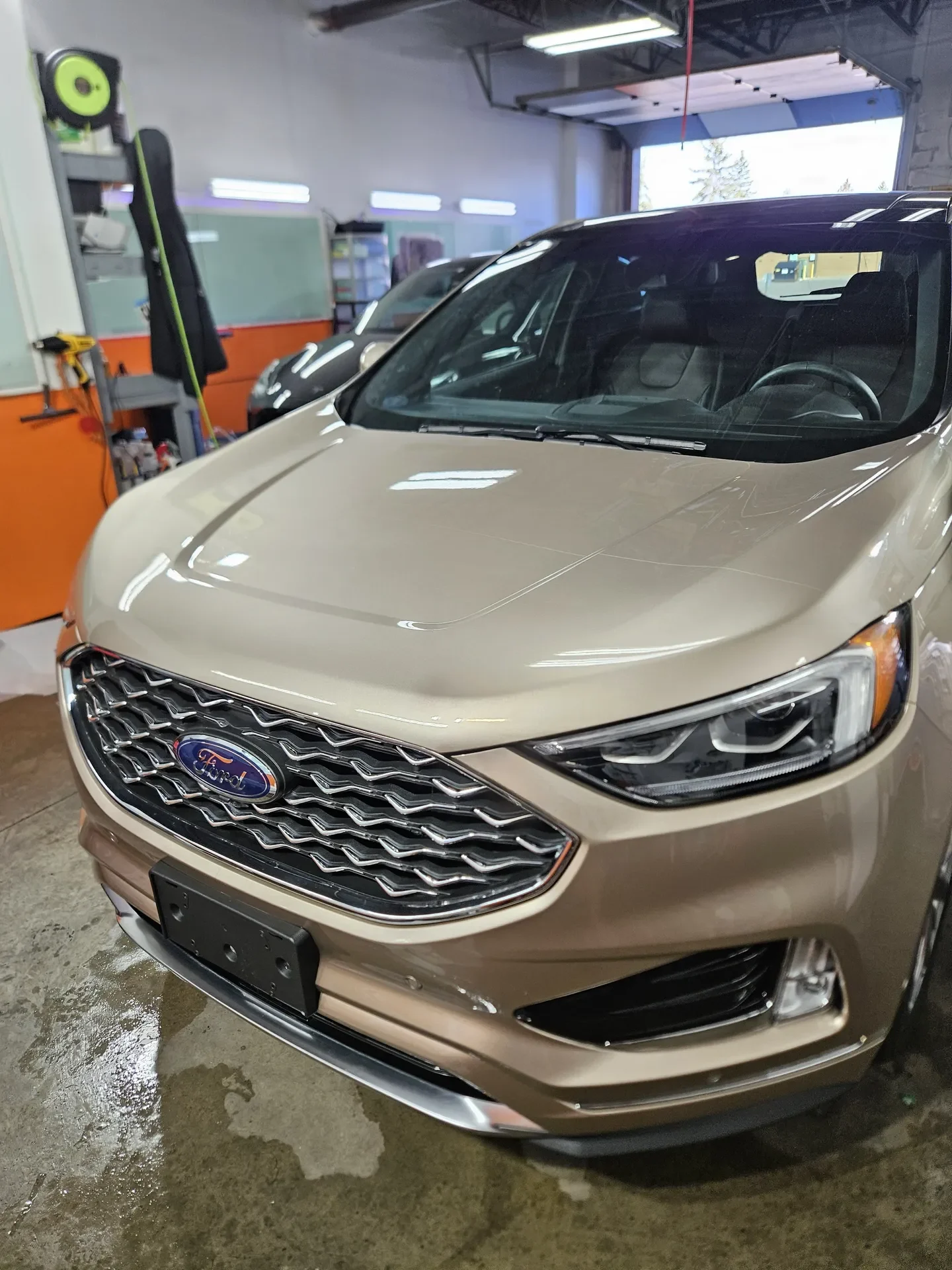
Curious how long ceramic coating will actually keep your car looking sharp? Most professional ceramic coatings stick around for 2 to 8 years if you apply them right and keep up with maintenance, but the exact number depends on the product, how it’s put on, and how you treat your car.
Let’s talk about what really shortens or extends that lifespan, how to tell when your coating’s wearing thin, and what you can do to keep it working longer. Polarizauto handles coatings, so if you want a pro opinion for your car and driving habits, that’s an option too.
We’ll break down real-world lifespans, look at what causes early wear, and discuss when it makes sense to reapply. That way, you can pick the right option and keep your finish protected.
What Influences the Lifespan of Ceramic Coating
A few main things decide how long a ceramic coating protects your paint: what it’s made of, how it’s applied, and the environment your car lives in.
Types of Ceramic Coatings
There are different kinds of coatings out there. Consumer or “entry-level” coatings usually have less SiO2 and last about 1–2 years. Professional-grade coatings pack more SiO2 and bond better, so they can go 3–5 years or sometimes longer with good care.
Check the label for multi-year claims and look for the SiO2 percentage or warranty. Some coatings add extra stuff to make them easier to use, but that can mean they don’t last as long. The tougher coatings usually cost more and need careful prep. If you want the longest life, pick a pro-grade product and hang onto your receipts or warranty details.
Application Quality
How you (or your installer) put the coating on is just as important as the brand you choose. The paint needs to be totally clean, polished, and free of oils first. If someone skips paint correction or leaves polish behind, the coating won’t stick well and won’t last.
The technique matters too: temperature, humidity, and cure time all have to match the product’s instructions. Shops like Polarizauto follow the steps, control the environment, and check their work. DIY kits can still work, but if you rush or apply it unevenly, the coating won’t last as long.
Climate and Environmental Conditions
Weather and exposure make a big difference. Strong sun, road salt, acid rain, bird droppings, and industrial fallout all wear coatings down faster. In cold places with lots of salt and grit, coatings get more abuse.
Parking your car in a garage and washing off junk quickly helps coatings last. If you’re near the coast or in a city with heavy pollution, you’ll need to keep up with maintenance. Use gentle, pH-neutral cleaners and skip the automatic brushes—they can scratch. Regular checks let you catch wear before it gets bad.
Average Longevity of Ceramic Coating
How long your ceramic coating lasts? It’s a mix of product, application, and care. Some last a year or two, while high-end ones can protect paint for 5 years or more with the right upkeep.
Professional vs. DIY Applications
Pro application usually lasts longer. Installers control surface prep, curing, and how thick the coating goes on. A trained technician gets the paint spotless, fixes swirl marks, and applies coatings in a controlled space. That helps the coating bond and hit its full lifespan.
DIY kits can still do the job, but usually don’t last as long. Most folks at home don’t prep as thoroughly, and uneven application or skipping paint correction shortens durability. If you want the longest life but don’t want to learn the process, a pro shop like Polarizauto is worth considering.
Typical Durability Expectations
Entry-level sprays and consumer kits last about 6–18 months with normal care. Mid-range pro products usually give 2–3 years. The best pro coatings can last 4–7 years (sometimes even longer) if you keep up with maintenance like regular washing and checkups.
Things that shorten life: rough or frequent washing, brush car washes, lots of sun, and road chemicals. Gentle washing, pH-neutral shampoo, and avoiding harsh stuff help the coating do its job longer.
Warranty Coverage Details
Warranties differ by brand and installer. Many pro coatings come with a written warranty from 1 to 7 years. To keep the warranty, you usually need to prove routine maintenance, like annual checkups or washing a certain way.
Read the fine print for things they won’t cover—bird droppings, paint chips, or issues from bad detailing. Keep your records and photos just in case. If you get a warranty from a shop, check if it’s transferable or prorated.
Signs That Ceramic Coating Is Wearing Off
You’ll spot changes in water behavior and how shiny your car looks. These hints help you know if it’s time for maintenance or a new coat.
Changes in Water Beading
A healthy coating makes water bead up into tight, round drops that roll right off. If you see water flattening or streaking, the hydrophobic layer is starting to break down. After a rinse or light rain, watch for water that clings or moves slowly—those are red flags.
Check all over the car. The hood, front bumper, and roof usually wear out first. If those spots lose beading but the sides still look good, the coating’s thinning unevenly.
Try a spray bottle test: mist a panel and see how the water acts. Tight beads mean the coating’s still good. If it spreads out or looks messy, you probably need a touch-up or pro service.
Loss of Gloss or Shine
Ceramic coatings keep paint looking deep and reflective. When they wear, the finish gets dull and less vibrant, especially in sunlight. Look at the paint from different angles—if it looks flat or lifeless, the top layer’s gone.
Notice how light reflects, too. Healthy coating gives crisp reflections. Worn coating makes things look hazy or soft. Sun, salt, and bird droppings fade gloss faster, so check those areas.
Swirl marks and light scratches show up more as the coating thins. If a quick polish brings back shine only briefly, you probably need a fresh coat to restore lasting gloss.
How to Maximize Ceramic Coating Lifespan
A little regular care and the right products keep your coating in top shape. Focus on gentle washing, quick cleanups, and the occasional professional check to keep it going strong.
Effective Maintenance Routines
Wash your car every week or two to get rid of grime, salt, and droppings. Use the two-bucket method—one for soapy water, one for rinsing your mitt. That way, you don’t rub grit into the paint.
Dry with a clean microfiber towel or a blower to avoid water spots. If you get tar, sap, or iron deposits, use safe removers or clay bars within a few days. Skip abrasive polishers unless you really need them; they’ll thin the coating.
Have a pro check the coating once a year. A technician can refresh or top up the sealant if needed. If you’re in Minnesota or somewhere with winter salt, rinse it off as soon as you can.
Recommended Cleaning Products
Go for pH-neutral car shampoo that’s safe for ceramic coatings. Don’t use strong degreasers, dish soap, or household cleaners—they strip the hydrophobic layer.
Use microfiber mitts, two good microfiber towels, and grit guards. For stubborn stuff, try iron fallout remover and tar solvent that’s safe for clear coats and coatings. Always test on a small spot first.
A ceramic booster spray every few months can help restore water repellency and shine. If you’d rather not do it yourself, professional help is available—Polarizauto can inspect and maintain your coating to keep it lasting.
Common Causes of Premature Wear
Bad washing habits and tough environments wear coatings out faster. Simple mistakes and long-term exposure to sun, salt, and droppings are the main culprits.
Incorrect Washing Techniques
Dirty towels, automatic brushes, or harsh chemicals can scratch or strip the coating. Stick with a clean microfiber mitt and the two-bucket method to avoid grinding grit into the surface.
Skip household detergents, vinegar, or abrasives—they’ll take off the hydrophobic layer and dull the shine. If water stops beading, try a booster or get a pro to check it out.
Dry with a clean towel, not one you’ve used for other jobs. Letting water air-dry can leave spots that slowly weaken the coating. After each wash, check for stuck-on grime.
Frequent Exposure to Harsh Elements
Sun and UV rays slowly break down the coating’s chemistry, especially if your car sits outside all day. Try to park in shade or use a cover to cut down on UV damage.
Road salt, brake dust, and fallout are harsh. Rinse off salt in winter and get rid of bird droppings or sap fast—they can etch the coating if left too long.
High-pressure washes or steam near edges can lift the coating over time. Ask your detailer about maintenance sprays or yearly checkups; Polarizauto can suggest safe products and service schedules.
When and How to Reapply Ceramic Coating
Reapply when water stops beading, bird droppings start to etch, or the coating age hits its rated life. Good prep and the right product help the new layer last.
Preparation Steps for Reapplication
Check your paint under good lighting. Look for scratches, swirls, or faded spots that show the coating’s thin. Use a paint meter or a water-beading test to confirm.
Wash with pH-neutral shampoo, then clay-bar to pull out embedded junk. If you skip this, the new coating won’t stick well and won’t last.
Polish only if needed, and use a light touch—no need to cut too deep. Wipe panels with IPA or a surface prep to clear off oils before applying the new layer.
Work in a clean, dust-free spot at a moderate temp. Mask off trim and glass. Let the coating cure for at least a day or two without water, and don’t wash heavily for a week.
Choosing the Right Product for Reapplication
Pick a product made for reapplication that matches your original coating. If you had a pro-grade ceramic, use a product designed for ceramic-to-ceramic bonding, not just a basic spray.
Check cure time, UV resistance, and expected longevity. Quick spray-on ceramic toppers are easy for DIY and boost hydrophobic properties, but pro re-coats last longer and resist chemicals better.
Read the instructions and prep steps before you buy. For the best results, a professional service like Polarizauto can handle surface correction and proper curing. If you’re doing it yourself, try a small bottle on a hidden spot first.
Comparing Ceramic Coating Duration With Other Protective Options
Ceramic coatings outlast wax and most sealants. Wax might give you a few weeks or months, but high-quality ceramic coatings can last 2–5 years or more if you take care of them.
Paint sealants fall in the middle—often 6–18 months of protection. They look good and shield the paint, but not as long as ceramics.
PPF (paint protection film) gives strong physical protection from chips and scratches. PPF can last 5–10 years, depending on the film and exposure. Ceramic and PPF work well together: film blocks impacts, ceramic adds chemical resistance and easier cleaning.
DIY ceramics are cheaper but usually don’t last as long and coverage can be spotty. Pro application, like what Polarizauto does, tends to give more consistent results and the full lifespan.
Maintenance is key for every option. Regular washing, avoiding harsh chemicals, and using maintenance sprays help everything last. If you look at cost per year, ceramic might cost more upfront but can save you money and hassle over time.
Frequently Asked Questions
Ceramic coatings protect paint, make washing easier, and can last for years if you apply and care for them right. Here are some straight answers about lifespan, curing, drawbacks, washing, kitchenware use, and reapplication.
What’s the average lifespan of ceramic coating on a vehicle?
Most professional ceramic coatings stick around for about 2 to 5 years. If you go for a premium option and get it applied right, you might see it last even longer—sometimes past the 5-year mark.
How long it actually lasts? That’s a mix of the product quality, how well someone prepped the surface, and what kind of punishment the car faces out there. Sun, road salt, and skipping maintenance will definitely cut its life short.
How much time is required for ceramic coating to fully cure?
Ceramic coatings usually grab onto the paint within a day or two. But for a full chemical cure, you’re looking at anywhere from a week to a month, depending on the brand and the weather.
It’s best to avoid heavy washing or adding waxes during this time. If you can, stash the car somewhere dry and out of the sun. That helps a lot.
Are there any drawbacks to applying a ceramic coating?
Ceramic coatings won’t stop rock chips, deep scratches, or actual paint damage. They boost shine and make cleaning easier, but don’t expect miracles.
If you try it yourself and don’t prep the surface right, you might trap junk under the coating. That’s why pro prep and application really matter. Not gonna lie, good products and prep cost more than a quick wax job, but you get what you pay for.
Can frequent car washing affect the longevity of a ceramic coat?
Washing regularly with a gentle, pH-neutral shampoo actually helps the coating last. Avoid those automatic car washes with brushes and steer clear of harsh soaps—they’ll wear the coating down faster.
Touchless washes or using a soft mitt by hand work best. If you keep up with proper care, you can stretch a 2–3 year coating pretty close to its full promise.
What’s the typical duration ceramic coating lasts on kitchenware?
Ceramic coatings on cookware are a whole different story compared to car coatings. Usually, a good ceramic nonstick pan lasts somewhere between 1 and 5 years—depends on how you use and treat it.
Cranking up the heat, using metal utensils, or scrubbing too hard? That’ll wear it out faster. If you actually follow the care instructions, you’ll get a lot more life out of your pans.
How often is it recommended to reapply ceramic coating to my vehicle?
Most pro-applied coatings last anywhere from 2 to 5 years, but honestly, it depends on the product and what kind of weather your car faces. If you’re using one of those lighter, over-the-counter coatings, you’ll probably want to refresh it every year or so.
If you start to notice water isn’t beading up the way it used to or your finish just looks a bit tired, it’s probably time to get it checked out. Polarizauto can take a look and let you know if it’s time for a new coat.