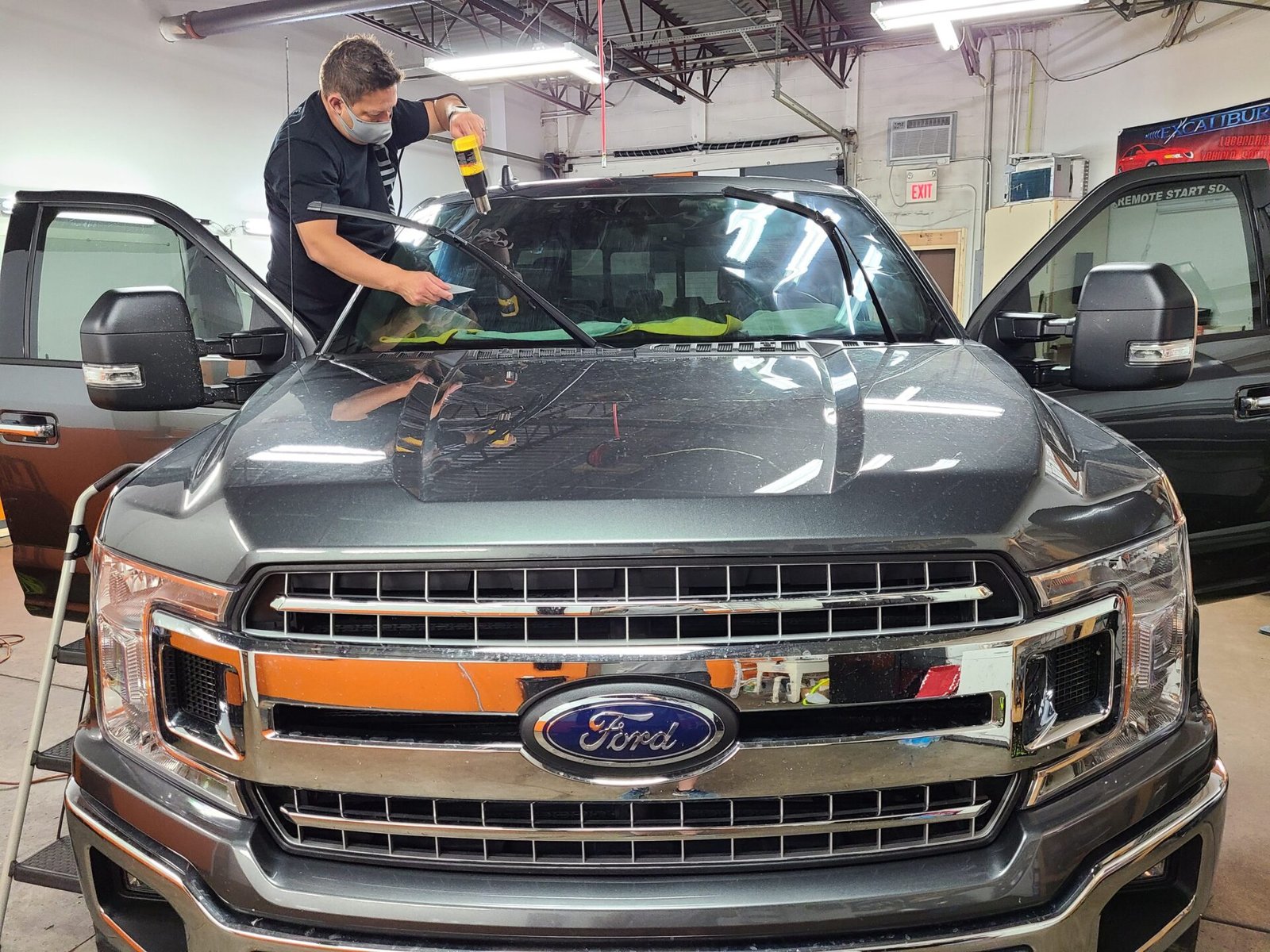
Sweltering afternoons and glare can make driving in Minnesota downright uncomfortable, but the right heat-reduction window tint cuts sun and heat so your car stays cooler and your dash and seats last longer. With a quality heat-reduction film, you’ll feel a real drop in cabin temperature, less glare, and much better UV protection.
Let’s get into how tinting actually works, what matters for Minnesota’s crazy seasons, and whether pro installation is worth it for the long haul. If you’re after practical tips, real-world costs, or just want the legal basics for MN, you’ll find answers here – plus a few things to ask our team at Polarizauto before you book.
Benefits of Heat Reduction Window Tint in MN
Heat-reduction window tint helps chop down cooling costs, blocks those nasty UV rays, keeps interiors from fading, and makes driving or hanging out at home a lot more pleasant during hot Minnesota summers. It also protects the value of your car or house by slowing down wear and heat damage.
Energy Savings and Lower Utility Bills
Tint keeps solar heat out, so your air conditioner doesn’t have to work overtime. In a sunny room or a car baking in the driveway, you’ll notice the difference—cooler temps, less time waiting for things to chill out.
That means smaller electric bills in June–August. For homes, pair tint with a programmable thermostat and you’ll see the biggest drop, since your HVAC isn’t fighting the sun all day. For cars, you won’t need to blast the A/C the second you get in, which saves fuel.
Want a rough idea of savings? Measure the windows facing south or west—more shaded glass, more money back in your pocket. Shops like Polarizauto can estimate savings based on your exact setup.
UV Protection for Interiors
Good heat-reduction tint blocks up to 99% of UV-A rays—the main culprits behind fading and cracked interiors. That keeps leather, vinyl, fabrics, and even wood trim looking sharp.
Blocking UV also helps protect your skin and eyes, whether you’re on a long drive or sitting near a sunny window. Fewer sunburns, less long-term skin risk—can’t complain about that.
Go for ceramic or carbon-ceramic films if you want the best UV performance without making your windows too dark. Look for a clear UV-block rating and a warranty that covers fading and workmanship.
Enhanced Comfort in Hot Summers
Tint makes cabins and rooms feel a lot cooler and takes the edge off glare that strains your eyes. You’ll have fewer hot spots on seats and floors and won’t need to shuffle around or use extra shades.
For drivers, less glare means better visibility during those brutal sunrise and sunset commutes. At home, tinted windows keep rooms more livable in the afternoon—no more running to adjust the thermostat every hour.
A quality install keeps things clear, so you don’t lose your view. If you spend a lot of time in your car or a sun-soaked room, tint is a simple upgrade that just makes life better.
Preserving Home and Car Value
Tint slows down interior aging, so you keep resale value up. A cabin without faded seats or a cracked dash always looks better to buyers.
At home, window tint protects floors, curtains, and art from sun damage. That means less money spent on replacements and rooms that stay looking fresh.
Pick films with scratch-resistant surfaces and a solid warranty. A pro install reduces the odds of peeling or bubbling, so your investment actually lasts.
How Heat Reduction Window Tint Works
Heat-reduction window tint keeps cabins cooler, cuts glare, and blocks UV by reflecting, absorbing, and filtering sunlight with special materials and film layers.
Solar Control Technology
Solar control tint uses layers that target infrared and ultraviolet light—the big heat sources. Films might have reflective metal or nano-ceramic particles that bounce infrared away before it sneaks into your car. Ceramic types use non-conductive nano-ceramic particles to soak up and scatter heat, and don’t mess with your radio or GPS.
A good installer puts the film right up to the glass, so you don’t get annoying seams or bubbles. Shops like Polarizauto measure and cut to fit each window, making sure the whole cabin gets even coverage.
Types of Tint Films
You’ll run into three main types: dyed, metallic, and ceramic. Dyed films use pigment to soak up sunlight and cut glare—cheap, but not great for heat, and they eventually fade. Metallic films add a thin metal layer to reflect heat and give stronger rejection, but sometimes mess with electronics.
Ceramic films cost more but deliver the best combo: strong infrared rejection, clear visibility, and zero signal issues. Carbon films are kind of a middle ground. Pick based on your budget, how much heat you want to block, and whether you need your electronics to work perfectly.
Visible Light Transmission
Visible Light Transmission (VLT) is just how much light gets through the tint. Lower VLT means a darker tint and less light inside. In Minnesota, you’ll need to pick a VLT that’s legal but still gives you the sun control you want.
Higher VLT (like 50–70%) keeps things bright at night and still cuts heat if you go ceramic. Lower VLT (5–35%) kills glare and keeps the cabin cooler, but can make things dim in low light. When you get tint installed, the shop will show you samples and explain what’s legal so you can pick the right VLT for your needs.
Choosing the Right Window Tint for Minnesota Climate
You want a tint that blocks UV, rejects heat, and stands up to wild swings in temperature. Think about how much light you want, if you need privacy, and how long you want the film to last.
Key Features for Cold and Hot Weather
Look for tints with high UV protection (99%+) and strong infrared (IR) heat rejection. UV keeps fabrics and skin safe, while IR keeps interiors cooler in summer without making things too dark in winter.
Pick non-metallic films like ceramic or carbon to avoid radio or sensor issues. These also survive Minnesota’s freeze-thaw cycles without bubbling or peeling. Check the warranty for adhesive performance in the cold.
VLT matters too. Higher VLT lets in more heat on cold days; lower VLT gives summer comfort and privacy. Balance based on which windows get the most sun—south and west benefit most from stronger heat rejection.
Recommendations for Residential Properties
Go for solar control films with high IR rejection and 99% UV block to protect your floors, furniture, and art. For south- and west-facing windows, pick films with at least 50–70% heat rejection to keep things cool during summer.
Spectrally selective films are great—they keep rooms bright in winter but still block heat. If you have old single-pane windows, think about adding tint plus an interior storm or thermal curtains for better insulation.
Hire a pro for big exterior windows or insulated glass to avoid warranty headaches. Polarizauto can help match film types to your glass and window direction.
Options for Vehicle Owners
For cars, ceramic or carbon ceramic tints are the way to go—top heat rejection, no signal issues. You’ll see options with 40–70% IR rejection; higher is better for summer comfort.
Pick VLT based on how you use your car: higher VLT (35–70%) helps warm up the cabin in winter, lower VLT (5–35%) is best for summer comfort and privacy. Double-check Minnesota tint laws for what’s allowed up front and on the windshield.
Get professional installation to avoid bubbles and make sure edges are sealed against moisture. Ask about warranties covering fading, adhesive failure, and delamination—especially important in cold weather. Polarizauto can measure your windows and recommend the right film for your habits.
Maintenance and Longevity of Heat Reduction Window Tint
Taking care of your tint keeps it working and looking good. A few daily habits and occasional checks go a long way to prevent problems and protect your investment.
Cleaning and Care Tips
Grab a soft, lint-free microfiber cloth and a mild, ammonia-free cleaner designed for automotive glass. Always spray the cleaner on the cloth, not straight on the glass—otherwise, you risk letting moisture creep under the edges.
Wipe in straight lines, not circles, and go easy—no need to scrub. Skip abrasive pads, razor blades, or any household cleaners with ammonia or bleach. Those harsh chemicals? They’ll ruin your tint in no time.
Hold off on cleaning for at least 48–72 hours after installation. During that time, try not to roll the windows all the way up. If you spot adhesive residue or dirt at the edges, use a cotton swab dipped in cleaner to gently lift it away.
In winter, use a plastic ice scraper with a felt edge for frost—never metal. Park in the shade or in a garage when you can to limit UV and heat beating down on your windows. It’s a good idea to schedule an annual inspection with your installer (Polarizauto or another reputable shop) to catch small issues before they get worse.
Expected Lifespan
Top-tier ceramic heat-rejection films stick around for 7–10 years if you treat them well. Of course, it all comes down to film quality, how it was installed, and the kind of weather and sun your car faces.
Minnesota’s tough winters and blazing summers can wear films out a bit faster than somewhere milder. Ceramic films outlast standard dyed ones—they resist fading and stay clear longer, so you get more bang for your buck.
If you opt for premium ceramic tint and follow the care tips, you’ll probably see the longer end of that lifespan. Keep records and snap some photos to track how things hold up. Warranty coverage varies, so double-check what your installer promises.
Signs It’s Time to Replace Tint
Watch for bubbling, peeling edges, or hazy patches that just won’t wipe away. Those usually mean the adhesive’s failing, or moisture’s sneaked in between the film and the glass.
If your tint looks discolored, turns purple, or loses clarity and affects your view, it’s time for a swap. Scratches that scatter light at night or curling edges when you roll the windows? That’s structural damage.
Replace your tint if the adhesive stains your interior trim or if warped film keeps windows from sealing right. If you notice your car heating up more than usual under the same sun, have a pro test the film’s performance. If heat rejection drops, plan on replacing it.
Choosing the Best Heat-Reducing Window Tint Service in Minnesota
When you want tint that actually keeps your car cooler, blocks UV, and lasts through Minnesota’s rough seasons, the installer you choose makes all the difference. At Polarizauto, our focus is on clean installs, high-performing films, and results that hold up through hot summers, freezing winters, and everything in between.
What Sets Our Installers Apart
Our team is trained on advanced ceramic and nano-ceramic films designed specifically for heat rejection. We prep each window carefully, match film options to your vehicle and driving habits, and apply tint in controlled conditions so you get long-term clarity and durability.
We’re happy to show photos of recent work, including close-ups of edges, trims, and curved glass. Seeing tint in bright light tells you everything you need to know about the installer’s skill, and we want you to feel confident before we even begin.
Because we’ve worked on countless vehicles in Minnesota, we understand how cold snaps, salt, and humidity can affect film over time. We explain which heat-reducing films work best here, how they handle signal-sensitive electronics, and what kind of real-world performance to expect.
Smart Questions to Ask (And How We Answer Them)
Choosing tint shouldn’t feel confusing. We walk you through every detail so you understand what you’re getting and why it matters.
Which films do you use, and why?
We recommend high-quality ceramic and nano-ceramic films because they reject heat without interfering with sensors, antennas, or radio signals. We’ll show you the technical specs—IR rejection, UV protection, and VLT numbers—so you know exactly how each option performs.
Do you have experience with my vehicle?
Yes. Whether you drive an SUV, sedan, or truck, we know how to work around factory sensors, interior trims, and tight window channels to avoid gaps, bubbles, or interference issues.
What does the process look like?
We start with deep glass cleaning and prep to remove dust and old adhesive. Then we size, shape, and apply the film with precise tools and controlled heat for a smooth, bubble-free finish.
How do I take care of the tint afterward?
We provide simple aftercare instructions—how long to keep windows up, which cleaners are safe, and how to protect the edges so your tint stays crisp for years.
Additional Advantages of Modern Window Tinting
Modern films do more than just cut heat and block UV. They add privacy, glare control, and even eco-friendly perks. Your car stays cooler, interiors last longer, and you might even save a little on energy.
Improved Privacy
Tinting keeps prying eyes out without making your cabin feel like a cave. Pick lighter or darker shades depending on your comfort—most still let you see out just fine.
Privacy helps keep valuables out of sight and makes for a more comfortable ride, especially when you’re parked somewhere busy.
A lot of films also have anti-shatter properties. If a window breaks, the film holds the glass together, so you’re less likely to deal with flying shards. That’s a big plus if you ever have an accident or break-in.
For best results, ask your installer about Minnesota’s legal light transmission limits and pick a tint that balances privacy with the law. Shops like Polarizauto can help you find the sweet spot between privacy and visibility.
Reducing Glare
Tint cuts down on harsh sunlight and reflections that strain your eyes. Films with high infrared rejection can block heat without making the glass look mirrored, so you lose glare but keep your view.
This is a lifesaver during sunrise, sunset, or when sunlight bounces off snow or wet roads—pretty common in Minnesota. Less glare means better reaction times and a comfier drive.
Ceramic or carbon-ceramic films are great for glare control and don’t mess with your signals. They keep your dashboard and screens readable, so you’re not squinting or distracted.
Eco-Friendly Options
Modern films can cool your cabin enough that you won’t need the A/C as much. That means you’ll use less gas or battery, and for EVs, maybe squeeze out a few extra miles on hot days.
Ceramic and carbon-ceramic tints block heat without using metal particles, so there’s no interference with GPS, radio, or your phone. They also last longer, so you won’t be replacing them as often.
Some brands make films with fewer harsh chemicals and offer longer warranties—less waste in the long run. If you care about the environment, ask about recyclable packaging and how long the film is expected to last.
Ready for Cooler Rides and Real Heat Relief?
If you’re tired of hopping into a scorching cabin or fighting glare on every sunny drive, the right heat-reduction tint makes a huge difference—especially in a state that swings from freezing winters to blazing summers. Once you know how tint works, which films actually handle Minnesota’s climate, and why pro installation matters, choosing the right setup becomes a whole lot easier.
At Polarizauto, we install high-performance ceramic films, precision-cut for your vehicle and cured under the right conditions so they stay clear, smooth, and effective for years. Whether you want maximum heat rejection, better UV protection, or a clean, modern look that stays legal in Minnesota, our team walks you through every option and makes the whole process simple.
If you’re ready to stay cooler, protect your interior, and upgrade your driving comfort, stop by, call, or message us anytime. We’ll help you choose the perfect film, give you a straightforward quote, and get your tint installed the right way the first time.
Stay cool. Stay protected. Choose Polarizauto.
Frequently Asked Questions
Got questions about heat-blocking window film for cars and homes in Minnesota? You’re not alone. Here’s a quick rundown on benefits, costs, legal stuff, top film choices for Minneapolis homes, UV protection, and how tint stacks up against other cooling options.
What are the benefits of having heat reduction window tint?
You’ll notice a cooler cabin or room because the film blocks a lot of solar heat. That means you won’t need to crank the A/C as much when it’s hot.
Tint cuts glare, making it easier and safer to drive or use screens. It also protects interiors from fading and cracking due to sunlight.
Some higher-end films add privacy and give your car or home a cleaner look. And if you get it professionally installed, it tends to last longer and look sharper.
How much does it typically cost to get a heat reduction window tint installed in Minnesota?
For cars, you’re looking at anywhere from $150 to $600, depending on the film and your vehicle. Premium ceramic or carbon-ceramic films land at the higher end.
For homes, standard heat-rejecting films usually run $6–$12 per square foot. High-performance ceramic films can go from $12 up to $20 per square foot or more.
Final price depends on how tricky the install is, the warranty, and whether you go with a pro like Polarizauto.
What are the legal requirements for window tinting in Minnesota?
Minnesota has rules about how dark you can tint front side windows and windshields. Rear windows can usually be darker, but you still have to follow certain visibility rules.
For houses and businesses, there aren’t the same limits on darkness, but you should check city or HOA rules just in case.
Keep proof of your film’s certification or manufacturer specs handy in case anyone asks about legality.
Which type of window tint offers the best heat reduction for homes in Minneapolis?
Ceramic window film is your best bet for blocking heat while letting in plenty of light. It knocks out infrared and cuts heat without making rooms too dark.
Metalized or sputtered films also reduce heat but can reflect light and mess with satellite signals. Dyed films are cheaper but don’t control heat as well.
Go for a high-RIR (solar infrared rejection) ceramic film if you want the best combo of heat reduction and clarity for Minneapolis homes.
Can window tint not only reduce heat but also protect against UV rays?
Absolutely. Most quality heat-reduction films block 99% or more of harmful UV-A rays. That’s good news for your skin and helps keep furniture, carpets, and car interiors from fading.
Check for films that list UV rejection percentages and come with a warranty for long-term peace of mind.
How does the effectiveness of heat reduction window tint compare to alternative methods of cooling?
Window tint tackles solar heat right at the glass, so the sun’s impact gets cut off before it even enters the room. It doesn’t need electricity, doesn’t wear out quickly, and just quietly does its job all day.
Other options—like blinds, shades, or reflective screens—can help too, but they might block your view or make the room feel darker. If you go for insulation upgrades, awnings, or exterior shading, you’ll probably see stronger cooling, but those usually cost a lot more and might mean dealing with some construction mess.
Honestly, mixing tint with blinds or just improving airflow often gives you the best bang for your buck when it comes to comfort.