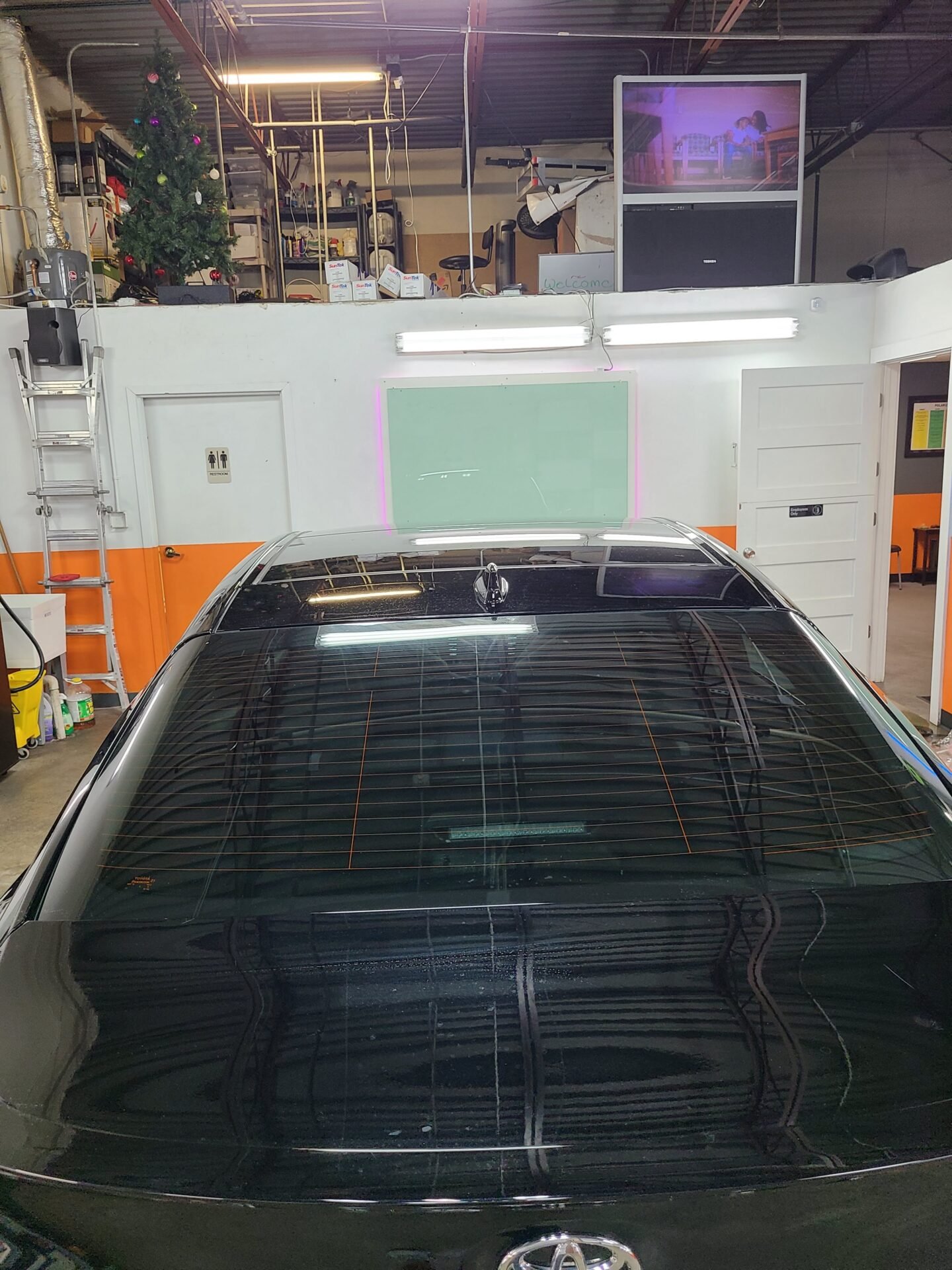
Colored automotive tint blends style and comfort in one upgrade. It blocks harsh UV, cuts glare, and cools the cabin for daily drives. Choose shades that fit your look without sacrificing visibility or safety.
At Polarizauto in Ramsey, MN, certified installers apply durable films. We assist you in matching color, VLT, and care options to align with your goals and local requirements. Expect smooth edges, clean glass, and long-lasting clarity after curing.
This guide explains how colored tint works and what types to consider. You’ll see legal tips, care steps, and common pitfalls to avoid. Use it to pick a stylish tint that protects you and your interior.
What Is Colored Automotive Window Tint?
Colored automotive window tint uses specially dyed films applied to your car’s windows. These films block heat and UV rays while adding a customized look to your vehicle.
You can choose from different colors and shades depending on your style and needs. Colored tints not only enhance your car’s appearance but also help reduce glare and heat inside. They work by absorbing solar energy instead of reflecting it, giving your windows a unique look.
Key Features of Colored Tints
Colored window tints are made with dyed layers that give windows a clear yet tinted color. Unlike metallic tints, they don’t interfere with your car’s electronics or radio signals, which keeps your devices working smoothly.
These tints block up to 99% of harmful UV rays, protecting your skin and your car’s interior from fading. The films provide decent heat reduction, making your car cooler during hot days.
Another benefit is privacy—it becomes harder for people outside to see inside your vehicle without making it completely dark. The colors can enhance your car’s style with options like blue, bronze, or charcoal.
Types of Colored Window Films
Colored window films come mainly in two types: dyed and hybrid. Dyed films use layers of color dye absorbed into the film. These are simple, cost-effective, and good for basic heat reduction and styling.
Hybrid films mix dye with other materials like carbon to improve durability and heat rejection. These last longer and fade less than dyed films.
Hybrid tinted windows keep their look while protecting your car from heat and UV rays. You’ll find a range of tints, like light bronze for subtle shading or darker blues for a bold look. Our store offers these options to match your taste and help keep your vehicle comfortable.
How Colored Tints Differ from Standard Tints
Standard window tints often use metallic or ceramic particles that reflect sunlight. They usually block more heat and provide stronger glare reduction than colored tints. However, metallic tints can cause signal interference.
Colored tints absorb sunlight rather than reflecting it, which means they won’t mess up your phone or GPS signals. They also tend to offer a wider choice of shades and colors than standard tints, so you can personalize your car’s look more easily.
Benefits of Colored Automotive Window Tint
Colored window tint adds style and practical benefits to your car. It changes the look of your vehicle while helping with sun protection, privacy, and security. You get to improve your car’s comfort and appearance at the same time.
UVA Exposure While Driving: Why Side Windows Need Help
The Skin Cancer Foundation explains that standard side windows block UVB but allow significant UVA through, which accelerates skin aging and raises skin-cancer risk. UV-filtering films can block up to ~99% of UV, protecting drivers and passengers.
They do so without overly darkening the glass, making them useful when choosing colored films that prioritize style and health.
Visual Aesthetics and Customization
Colored tint lets you customize your car’s appearance to match your style. Whether you want a sleek black, a deep blue, or even subtle shades of gray or bronze, a colored tint adds a unique touch. It can make your car stand out without being too flashy.
This type of tint also reduces glare from the sun and headlights, making it easier to drive. Plus, it can hide smudges or minor scratches on your windows. Trusted services use quality films that keep your car looking fresh while giving you options that fit your personal taste.
UV Protection and Heat Reduction
Colored tint blocks a large part of the sun’s harmful UV rays. These rays can damage your skin and cause your car’s interior materials to fade or crack over time. The tint acts like a shield, helping protect you and the inside of your vehicle.
It also reduces heat inside your car by reflecting sunlight. On hot days, this means your car stays cooler, so you won’t need to blast the air conditioner as much. This helps save fuel and keeps your driving more comfortable, especially during summer.
Enhanced Privacy and Security
One of the biggest perks of colored tint is the privacy it offers. A colored tint makes it harder for people to see inside your vehicle. This protects your belongings and helps you feel more secure when parked or driving. In addition to privacy, a colored tint can add a layer of safety.
Tint films often hold glass together if windows break in an accident or from attempted break-ins. This means less risk of shattered glass causing injury or damage. Our team offers professional installation to ensure your tint fits well and lasts a long time.
Popular Colors and Effects
Choosing the right tint color can change how your car looks and feels. Some colors offer better heat and UV protection, while others focus on style and privacy. You can also pick from frosted or reflective finishes if you want a unique effect.
Trending Tint Colors
Dark gray and black tints remain popular because they offer great heat rejection and a sleek, classic look. These colors block a lot of sunlight without making your windows look overly dark.
For something different, you might consider charcoal or bronze shades. They add a warm tone to your car and still provide good heat and UV protection.
Blue and green tints are less common but can give your car a cool, modern edge. Your choice affects both comfort and style. It’s good to pick a tint that matches your car’s color and your privacy needs.
Frosted and Reflective Finishes
Frosted tints give your windows a matte appearance that reduces glare while still letting in some light. This finish is great if you want privacy but don’t want windows that are totally dark. Reflective finishes act like mirrors by bouncing sunlight away.
They are excellent for keeping your car cooler during hot summers in Minnesota. Plus, reflective tints give a futuristic, eye-catching look. Both finishes can protect you from UV rays, but reflective might raise concerns about glare for drivers at night, so consider your driving habits first.
Choosing the Right Shade for Your Car
Choosing the right shade means balancing comfort, style, and legal limits. Minnesota has rules about how dark your tint can be, so check local laws before deciding. Darker shades reduce heat better and block more UV rays, which helps protect your car’s interior from fading.
Lighter shades keep visibility higher and can be safer at night. A good way to decide is to think about where you park your car most. If it’s under the sun a lot, you may want darker, more protective film. Otherwise, a moderate tint can look great and help you see clearly.
Legal Considerations for Colored Tints
Before adding colored window tint to your vehicle, it’s important to know the rules that apply where you live. Laws vary widely and often include limits on how dark or reflective your tint can be. If you don’t follow these rules, you could face fines or be asked to remove the tint.
State and Local Tint Laws
Tint laws can be very different depending on your state or city. In Minnesota, for example, there are specific rules about which windows you can tint and how dark the tint can be.
You’ll usually find different limits for front side windows, rear side windows, and the back window. You must check not only state laws but also local rules. Sometimes cities or counties have extra requirements or bans on certain colors of tint.
VLT Percentages and Restrictions
VLT stands for Visible Light Transmission. It measures how much light your tint lets through. Low percentages mean darker tints, and many states set minimum VLT levels for safety reasons. In Minnesota, front side windows must allow at least 50% of light through.
Rear windows can usually be darker, but there are still limits. Colored tints may also be regulated to avoid colors that interfere with driver visibility or police signals. Below is a simple guide for typical VLT limits on colored tints:
| Window Location | Minimum VLT Allowed | Notes |
| Front Side Windows | 50% | Must allow half the light or more |
| Rear Side Windows | Usually 35%+ | Darker allowed, but check local laws |
| Back Window | Usually 35%+ | Often the same as the rear side windows |
Consequences of Non-Compliance
If your tint is too dark or the wrong color, you could face several consequences. The most common is a ticket or fine from law enforcement.
You may also be required to remove or replace the tint, which can be expensive and time-consuming. In some cases, non-compliant tint can cause insurance issues if it affects your vehicle’s safety.
Driving with illegal tint might also lead to failed vehicle inspections. To avoid problems, it’s a good idea to get your tint installed professionally. A reliable company offers tinting services that follow Minnesota laws closely, helping you stay legal and safe.
Installation Process for Colored Window Tint
Installing colored window tint on your car involves several key steps that affect the final look and performance. You’ll need to decide between doing it yourself or using a professional, gather specific tools and materials, and be ready for common challenges during installation that can impact the outcome.
Professional vs. DIY Installation
Going with a professional means you get expert help with precise cutting and smooth application. Professionals have experience handling tricky windows and know how to avoid bubbles and wrinkles.
They use quality films and adhesives that cure properly, ensuring your tint looks great and lasts. DIY installation can save money, but it needs patience.
You must carefully clean your windows, cut the film to size, and apply it without trapping air or dust. Mistakes like wrinkles or dust under the tint can be hard to fix. A professional also offers warranties, while DIY usually doesn’t.
Required Tools and Materials
To install colored window tint yourself, you’ll need:
- Tint film cut to your window size
- Spray the bottle with soapy water to help position the film
- Squeegee to smooth out bubbles and excess water
- Utility knife for trimming edges
- Use a microfiber cloth to clean windows completely before applying the film
It’s important to start with spotless, dry windows. Any dirt or oils left behind will cause imperfections. Professionals use special glass cleaners and lint-free cloths to prep windows thoroughly before applying tint.
Common Challenges During Installation
One big challenge is trapping bubbles or moisture under the film. This happens if the film isn’t properly smoothed out or if the window isn’t fully dry.
Heat from the sun can help the tint cure, but thick films or poor installation slow the drying process. Cutting the film too large or too small causes poor edges or gaps, affecting appearance and protection. Also, tint on curved or angled windows can wrinkle or peel if stretched incorrectly.
Taking your time to clean, cut, and apply carefully helps prevent these issues. If problems arise, qualified professionals can fix or replace poorly installed tint with the right tools and experience.
Caring for Colored Automotive Window Tint
Taking care of your colored window tint means using the right cleaning methods, avoiding damage from harsh conditions, and performing regular maintenance. These steps help keep your tint looking fresh and working well for years.
Proper Cleaning Methods
Use a soft microfiber cloth and a mild, ammonia-free cleaner to clean your tinted windows. Ammonia can break down the tint film and cause it to peel or fade over time. Spray the cleaner onto the cloth, not directly onto the glass, to avoid buildup around edges.
Wipe gently in circular motions and avoid scrubbing hard. Hard scrubbing can cause scratches or lift the tint from the glass. Clean your windows regularly, but don’t overdo it—once or twice a week is enough.
Avoid using abrasive tools like paper towels or rough sponges, as these can damage the tint’s surface. If you encounter sticky residue or dirt buildup, soften it with water before carefully wiping it away.
Preventing Tint Damage
Heat and strong sunlight can cause some tints to fade or bubble. Parking your car in shaded areas or a garage helps protect your tint from UV damage. Using a sunshade inside the car can also cut down on heat buildup, which lengthens tint life.
Avoid rolling your windows down immediately after tinting or right after cleaning. This helps the adhesive cure fully and prevents cracks. Be mindful of sharp objects or keys near windows, as scratches are hard to fix once they happen.
Also, avoid using harsh chemicals or strong solvents near the tint. Even household cleaners with alcohol or ammonia can damage the film and reduce its lifespan.
Long-Term Maintenance Tips
Over time, tinted windows may show signs of wear, like minor fading or water spots. To slow this, keep your tint clean and protected with the right products. Professional ceramic coatings from experts can add a durable layer to your tint and car paint, helping resist dirt and fading.
Check your tint regularly for any lifting edges or bubbles. If you notice any damage, have it fixed quickly to avoid water or dirt getting behind the film. Proper maintenance can keep your tint looking good for 5 to 10 years, depending on the quality.
Potential Drawbacks and Limitations
Colored window tint can change the look and feel of your car, but it also comes with some important downsides you should know about. These include how the tint may lose its color over time and how it might affect your view when driving at night.
Color Fading Over Time
One common issue with colored window tint is that it can fade. Sunlight and heat cause the tint’s dyes to break down, making the color less vibrant. This means your windows might look dull or uneven after a few years.
Fading doesn’t just hurt your car’s appearance—it can also reduce the tint’s ability to block UV rays. When the color fades, the film might not protect you as well from sun damage or keep your car cool. To avoid fading, choose a high-quality tint from a trusted place.
They use premium films designed to last longer without losing color, so your car stays looking sharp in Ramsey, MN’s bright sun.
Reduced Visibility at Night
A colored tint can make it harder to see in low light or at night. Dark or heavily colored films reduce the amount of light passing through your windows, which can cut down visibility.
This can be especially risky when you’re driving on poorly lit roads, backing up, or spotting pedestrians and bicycles. Some states have rules about how dark your tint can be to keep you safe.
If you plan to tint your car windows, think about how much color you want. Our team of experts can help you choose options that balance style with safety so you don’t lose sight after dark.
Cost of Colored Automotive Window Tint
The price of colored automotive window tint usually depends on several factors, like the size of your vehicle, the type of tint film, and the number of windows you want tinted. On average, you can expect to pay between $150 and $400 for a complete car tint job.
Higher-quality tints with better heat rejection and UV protection cost more but give you better value over time. At our stores, we use premium films that block up to 99% of UV rays without interfering with your electronics.
Here’s a simple breakdown of what affects the cost:
- Type of tint: Carbon-based or ceramic tints are pricier than basic dyed ones.
- Vehicle size: Larger vehicles need more film, so the price rises.
- Professional installation: Experts ensure a clean, lasting fit that DIY kits can’t match.
You might find that cheaper tints wear out faster or fade, costing you more in the long run. Investing in a quality tint not only improves your car’s look but also keeps your interior cooler and protects you from harmful rays.
If you want an exact quote, it’s best to contact a local shop, where staff can recommend the best option for your needs and budget.
Finding a Reputable Tint Provider
When looking for a place to get colored automotive window tint, you want a provider who knows their stuff. Check for experience—companies with many years of tinting experience are more likely to do the job right.
Our company, for example, has over 20 years helping cars stay cool and stylish. Look for a provider that uses high-quality materials. Good tint film protects you from UV rays and heat while lasting a long time. You don’t want to deal with fading or bubbling after a few months.
Here are some tips to find the right tint shop:
- Ask about warranties: A reliable shop offers guarantees on its work and products.
- Read reviews: What do other customers say about their service and results?
- Visit the shop: Clean, organized, and professional spaces usually mean better care for your car.
- Check services offered: Make sure they cover the type of tint you want.
Good providers also offer advice on tint laws in your area. This helps you stay legal while customizing your vehicle. Choose a place that explains the process clearly and treats your car with care. This way, you’ll get the look and comfort you want with no surprises.
Color With Purpose: Comfort, Compliance, Confidence
Colored automotive tint adds style while blocking UV and heat for safer, cooler drives. Pick shades that balance visibility, privacy, and protection across seasons. Follow Minnesota VLT and reflectivity limits to keep tickets off your list.
With pro installation, your tint resists bubbles, fading, and early wear. Thoughtful color choice plus quality film turns every commute into a more comfortable ride. A trusted installer helps you nail the look—and stay legal.
Ready to personalize your windows the right way? Book your colored tint service with us for a flawless, long-lasting finish.
Frequently Asked Questions
You might wonder about rules for colored window tints, how different colors affect your car’s look and visibility, and what colors you can or can’t use. Pricing and benefits of vinyl tinting also come up a lot, along with which tint color works best for keeping your car cool and clear.
What are the legal restrictions for using colored tints on car windows?
Each state has rules about how dark or reflective your car’s window tint can be. Colored tints often have limits on which windows they can be applied to and how dark they can be. You should check local laws in Minnesota to stay legal and avoid fines.
How does a light-colored tint affect the visibility and aesthetics of my car?
Light-colored tint keeps your view clear while adding a subtle shade. It allows more sunlight inside, so it won’t make your car too dark. It can give your vehicle a clean, stylish look without blocking too much light.
Can you guide me on the pricing for colored window tints?
Pricing depends on the tint type, color, and size of your windows. Basic colored film costs less, but special shades or higher-quality tints may cost more. At Polarizauto, we provide clear quotes so you know exactly what to expect.
Are there any specific colors of tint that are prohibited for use on vehicles?
Some colors, like red, amber, or blue, might be illegal on certain windows because they can confuse other drivers or emergency vehicles. It’s best to check local rules before picking your tint color.
What are the benefits of using vinyl tint compared to other tinting materials?
Vinyl tint is flexible, easy to apply, and generally lasts a long time. It blocks some heat and UV rays, protects your interior, and is often more affordable than ceramic or metallic tints. Vinyl also offers a smooth, even look.
Which color tint provides the best clarity and temperature control for vehicles?
Neutral gray or charcoal tints are good at reducing glare and heat without changing colors inside the car. These colors keep your view clear and help lower the inside temperature effectively.