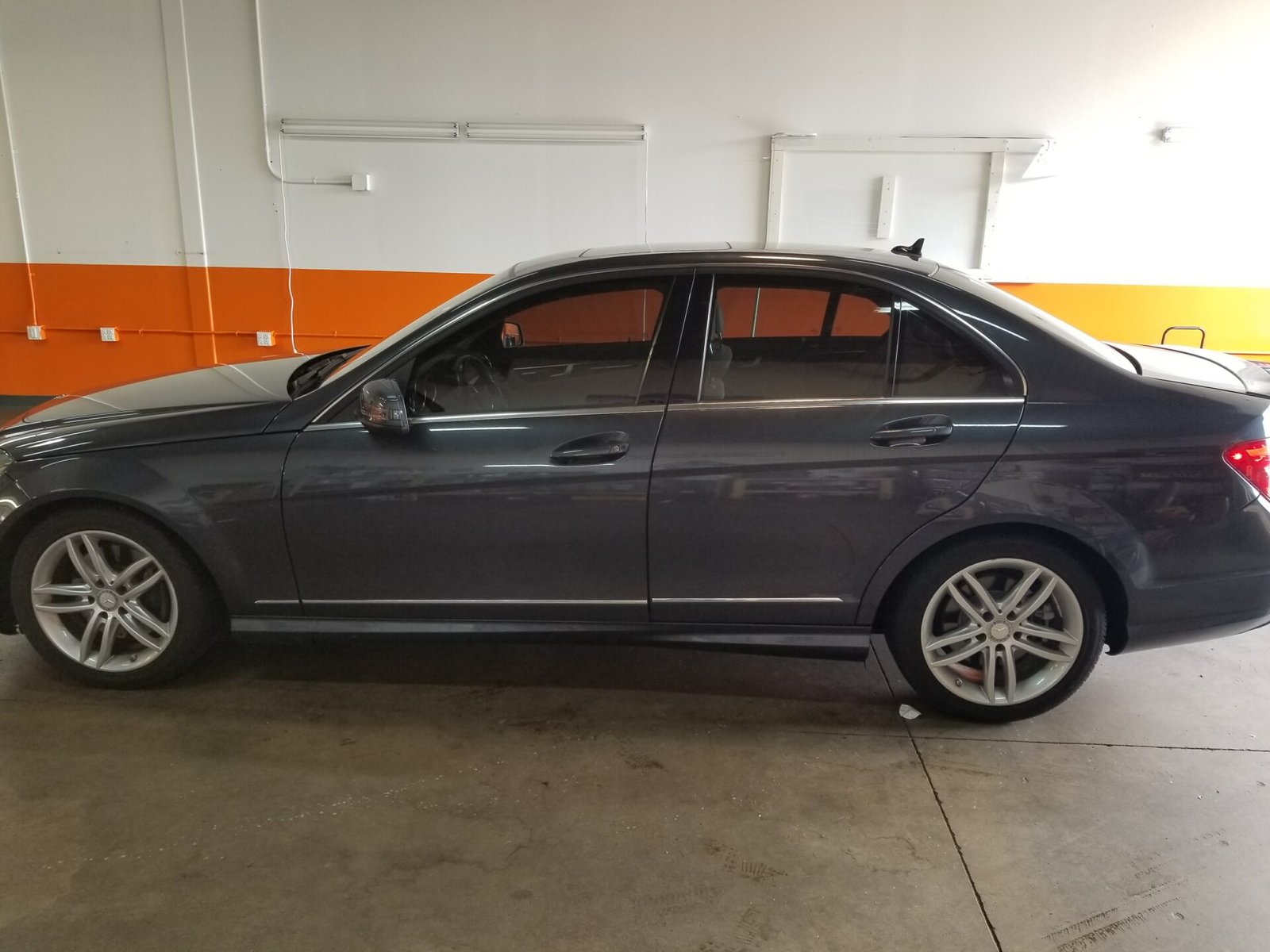
Ceramic window tint for cars offers one of the most effective ways to enhance comfort, safety, and longevity for your vehicle. It blocks heat, glare, and harmful UV rays, helping you enjoy a cooler cabin and improved visibility year-round. The advanced materials behind ceramic tint make it a premium choice that balances style and performance.
At Polarizauto, every ceramic tint installation is completed with care, precision, and the highest-grade materials available. Our goal is to deliver lasting protection and a clean, seamless finish that elevates both the look and feel of your car. Each tint job is tailored to fit perfectly and perform under Minnesota’s extreme weather conditions.
In this article, you’ll learn what makes ceramic tint different from other types, how it works, and the benefits it brings to your driving experience. We’ll also cover expert tips for choosing the right shade, maintaining your tint, and ensuring full legal compliance.
What Is Ceramic Window Tint?
Ceramic window tint is a popular upgrade for your car that improves comfort and protects your vehicle. It uses advanced materials to block heat, glare, and harmful UV rays without affecting how well you see through your windows. You’ll also notice how it looks and holds up compared to other tint types.
Definition and Materials
Ceramic window tint uses tiny ceramic particles that do not contain metal or dyes. Manufacturers mix these particles into a thin film and apply it to your car windows. Because ceramic is non-metallic, it won’t interfere with electronics or signals like GPS or cell phones.
This film blocks a lot of heat and UV rays, which helps keep your car cooler and protects the interior from sun damage. Unlike traditional tints that rely on color or metal, ceramic tint stops heat while still letting plenty of natural light in.
Comparison to Other Tint Types
Compared to dyed or metallic tints, ceramic window tint stands out for lasting longer and working better. Dyed tint mainly blocks light with color but fades over time and offers less heat rejection. Metallic tint blocks heat well but can cause glare or radio interference.
Ceramic tint blocks up to 50-60% of solar heat without darkening your windows too much. It also keeps the color of your windows stable, meaning it won’t turn purple or bubble. So, it’s a good choice if you want performance that lasts and a clearer view while driving.
Appearance and Finish
Ceramic window tint is almost invisible once installed because it doesn’t rely on dark colors. This means your windows look natural and clear from both inside and outside the car. If you prefer a cleaner look without the deep tint darkness, ceramic tint fits that style perfectly.
The finish is smooth and does not change as it ages. Unlike some tints that get cloudy or start peeling, ceramic film stays intact for years. This helps your vehicle keep a fresh look. You can expect a neat, professional finish that blends well with your car’s design.
Key Benefits of Ceramic Window Tint for Cars
Ceramic window tint offers several specific advantages that improve your driving experience and protect your car.
This type of tint excels in blocking harmful rays, reducing glare, preserving your vehicle’s interior, and making your ride more comfortable. These benefits help you enjoy cleaner, cooler, and safer drives every time you hit the road.
UV and Heat Protection
One of the biggest reasons to choose ceramic window tint is its strong defense against UV rays. It blocks up to 99% of harmful ultraviolet rays that can damage your skin and fade your car’s interior. This helps protect you and your passengers while keeping your dashboard and seats looking newer, longer.
Ceramic tint also excels at reducing heat. It blocks a large portion of the sun’s infrared rays, which means your car stays cooler on hot days. This reduces the need to blast your air conditioning, saving you fuel and making your trips more pleasant.
Glare Reduction
Driving in bright sunlight or against headlights at night can be tough on your eyes. Ceramic window tint cuts down glare by filtering intense light, which helps you see more clearly and reduces eye strain. This makes daytime and nighttime driving safer and more comfortable.
Unlike traditional tints that might lose effectiveness over time, ceramic tint keeps its clarity and glare-reducing properties for years. It won’t interfere with your phone or GPS signals, either, since it does not contain metal particles.
That means better visibility and no tech disruptions while you’re on the road.
Interior Preservation
Your car’s interior faces a lot of wear from sun exposure. Heat and UV rays cause fading, cracking, and peeling in dashboards, seats, and trim. Ceramic window tint acts as a shield to slow this damage, helping your interior look better for longer.
Because the tint blocks so much heat and UV light, it also prevents plastics and fabrics from becoming brittle and worn out. This can mean less need for repairs or replacements down the line. If you take pride in keeping your car neat and fresh, ceramic tint is a smart way to protect your investment.
Enhanced Comfort
Sitting in a hot vehicle can be uncomfortable and stressful. Ceramic window tint helps by keeping the cabin temperature cooler and more stable. It reduces hot spots inside the car and minimizes temperature swings.
This cooler environment means your air conditioning works less hard, cutting on engine load and lowering fuel use. Plus, the reduced glare adds to overall comfort by keeping your eyes relaxed. If you spend a lot of time driving or have passengers, the tint improves the experience for everyone.
How Ceramic Window Tint Works
Ceramic window tint uses advanced materials to keep your car cooler, block UV rays, and avoid signal problems. It works by combining tiny particles that stop heat and glare without making your windows dark or cloudy. This lets you enjoy clear views and better comfort inside your car.
How Ceramic Tint Reduces Heat and UV Exposure
Ceramic window tint blocks solar infrared heat and harmful ultraviolet rays to keep the cabin cooler and protect the interior from sun damage. Consumer Reports explains that ceramic films reject a high percentage of UV light and help keep the car cooler compared with traditional film.
Nano-Ceramic Technology
Ceramic tint contains microscopic ceramic particles, much smaller than a human hair. These particles are specially designed to absorb and reflect heat without using dyes or metals. Because of this, ceramic tint won’t fade over time like traditional tints.
With nano-ceramic technology, the tint blocks heat while letting visible light pass through. That means your windows stay clear, so you get good visibility day or night. The tint also keeps your car’s interior cooler, protecting your dashboard and upholstery from sun damage.
Infrared Rejection
One of the biggest benefits of ceramic tint is how well it blocks infrared (IR) rays. Infrared rays carry heat that makes your car interior hot, even if it’s shaded from direct sunlight. Ceramic tint can reject a large portion of this heat, helping your air conditioner work better and your car stay comfortable.
This heat rejection saves you money on fuel by reducing the need for air conditioning. It also lowers the chance of interior parts cracking or fading because of heat exposure. Ceramic tint provides this high level of protection for your vehicle.
Non-Metallic Construction
Unlike some window films that use metal, ceramic tint contains no metal particles. This is important because metal-based tints can interfere with GPS, cell phone signals, and radio reception. Ceramic tint avoids this problem since the ceramic particles don’t block or disrupt signals.
The non-metallic build also means the tint won’t rust or corrode, increasing its durability. Your windows stay clearer, and the tint lasts longer without peeling or fading. This makes ceramic tint a smart choice if you rely on devices that use wireless signals in your car.
Legal Considerations for Automotive Window Tint
When choosing ceramic window tint for your car, you need to know how state rules affect your options. These rules set how dark your tint can be, how it must be applied, and what happens if it isn’t up to code. Following these rules helps you avoid tickets and keeps you driving safely.
State Laws and Regulations
Every state has its own rules about window tinting. These laws focus on how much light must pass through your windows to keep you and others safe on the road. For example, some states allow darker tints on rear windows but require lighter tints on front side windows.
Other rules cover where tint can be applied. Windshields usually need to allow more light through, often limiting tint to the top few inches. Some states also have rules about reflectivity, meaning how shiny your tint can appear.
If your tint doesn’t match local regulations, law enforcement can stop you and issue a ticket or ask you to fix it. It’s a good idea to check your state’s specific laws before tinting your car.
VLT Percentages Explained
VLT stands for Visible Light Transmission. It tells you how much light can pass through your window after tinting. A higher VLT percentage means lighter tint, and a lower percentage means darker tint.
For example, a VLT of 70% means 70% of light passes through, which is a lighter tint. Some states require at least 70% VLT on front side windows for safety reasons. Rear windows often can have lower VLT, allowing you more privacy.
When selecting ceramic tint, knowing the legal VLT limits is important. Ceramic tints can offer strong UV protection even at higher VLT levels, so you get sun defense without breaking the law.
| Window Position | Common Legal VLT Range |
| Front Side | 50% – 70% |
| Rear Side | 20% – 60% |
| Windshield Top Strip | 70%+ |
Inspection and Compliance
If you get stopped for tint inspection, officers use tools to measure your VLT. They focus on front windows and windshields most often. Your tint also needs to have a label showing it meets local standards.
Some states require tinting professionals to use certified films with warranty labels for easy verification. Professional installation reduces the chance your tint fails an inspection.
If your tint doesn’t pass, you could get a fix-it ticket, meaning you have to remove or replace the tint. Staying on top of laws and choosing skilled installers helps you avoid hassle and keeps your car comfy and protected.
Choosing the Right Ceramic Window Tint
Picking a ceramic window tint means thinking about how dark you want the tint, which brand to trust, and whether you want to install it yourself or use a professional. These choices affect your car’s look, comfort, and long-term protection.
Selecting the Optimal Shade
Choose a tint shade that matches your style and needs, but keep in mind that darker isn’t always better. Many places have legal limits on how dark your tint can be, so check local rules first.
For heat and UV protection, a tint blocking 50% or more of sunlight works well. If you want more privacy, a darker shade helps but may reduce nighttime visibility.
Here is a quick guide:
| Shade % Visible Light Transmission (VLT) | Benefits | Considerations |
| 50% or higher | Great for heat and UV prevention, keeps a clear view | Legal in most states |
| 35% – 50% | Balanced heat rejection and privacy | Check local laws |
| Below 35% | High privacy and heat blocking | Might be too dark for driving safety |
Choosing the right shade keeps your ride comfortable, safe, and within the law.
Brand and Quality Differences
Ceramic tints vary in quality. Some brands offer better heat rejection and UV protection because they use higher-grade materials.
Look for tints with nano-ceramic technology, which blocks more heat without making your windows too dark. Good quality film resists fading and bubbling over time.
Choosing quality tints saves money in the long run by avoiding early replacements. Always ask about the warranty and expected lifespan. Higher-quality films often come with warranties up to 5 years.
Professional vs. DIY Installation
Installing ceramic tint requires skill and the right tools. Dust, bubbles, or wrinkles can appear if you lack experience. If you want a clean, long-lasting finish, choose professional installation. Experts handle prep work, apply the tint evenly, and manage tricky windows.
DIY kits cost less upfront but can lead to mistakes that affect your view or cause early peeling. Most people get better results with a professional. Professional tinting often comes with a warranty for peace of mind.
Installation Process for Ceramic Window Tint
Installing ceramic window tint on your car requires careful preparation, precise application, and time for the film to set. Focusing on each step helps prevent bubbles, peeling, or uneven coverage. Clean surfaces, steady hands, and patience ensure the tint bonds well to your windows.
Preparation Steps
Before applying ceramic tint, clean your windows thoroughly. Use a glass cleaner and a lint-free cloth to remove dirt, dust, and grease. Any grime left on the glass can cause bubbles or poor adhesion.
Prepare your workspace by parking your car in a clean, dust-free area with good lighting. Work indoors or on a calm day to avoid wind blowing debris onto the film during application.
Cut the tint film to the right size for each window before starting. Some installers use a wet application solution to help position the tint easily on the glass and reduce mistakes.
Application Techniques
Spray the inside of the window with a mixture of water and a few drops of soap. This lets you move the tint film and stick it to the glass smoothly. Peel the protective layer from the tint film carefully, avoiding fingerprints on the adhesive side.
Place the film on the wet glass and use a plastic squeegee to push out air bubbles and extra water. Work from the center outward in straight strokes. Take your time to avoid wrinkles or creases.
Trim any extra film around the edges with a sharp blade. Gently heat the tint with a heat gun or hairdryer to make it more flexible and help it fit tight to curved surfaces. Use heat carefully to avoid damaging the film or your car.
Curing and Drying Timeline
After application, your ceramic tint needs time to dry and bond to your windows. Depending on the weather and humidity, it can take a few days up to a week. Avoid rolling down your windows during this time to prevent peeling or shifting.
Small bubbles may appear at first; these usually disappear as the tint cures. Keep your windows clean, but avoid harsh chemicals during the curing period.
Following these steps ensures your ceramic tint looks great and lasts for years with maximum heat and UV protection.
Maintenance and Care Tips
Taking care of your ceramic window tint keeps it clear, strong, and looking great. Simple habits like cleaning the right way, protecting it from damage, and following warranty guidelines help your tint last longer and work better.
Cleaning Safely
Use a soft microfiber cloth to clean your ceramic tint and avoid scratches. Skip paper towels or rough materials that can damage the surface. Clean the tint with a mild, ammonia-free soap mixed with water.
Ammonia and harsh chemicals can break down the tint, causing bubbling or discoloration. Spray cleaner on the cloth, not directly on the windows, to keep liquid from seeping under the tint film. Gently wipe in circular motions.
Regular cleaning prevents dirt and oils from building up, keeping your tint clear and effective. Clean your windows weekly, or more often if you live in dusty or rainy areas.
Avoiding Damage
Wait at least a week after tint installation before rolling your windows down. This lets the adhesive set and prevents peeling or bubbling. Keep sharp objects like keys or tools away from your windows to avoid scratching the film.
Park in shaded areas or use a sunshade to reduce heat and UV exposure that can wear down tint over time. In winter, use gentle methods like warm water to remove frost instead of ice scrapers or harsh brushes that can damage the tint.
Longevity and Warranty
Ceramic tint usually lasts 5 to 10 years with proper care. Following maintenance tips helps you get full value from your investment. Keep your warranty information handy. Using the wrong cleaners or causing physical damage may void your warranty.
If you notice bubbling, peeling, or discoloration early, contact your installer quickly. Fixing small issues early can save your tint and protect your warranty. Treating your tint well protects your car’s interior and keeps your windows looking sharp for years.
Cost of Ceramic Window Tinting
Understanding what affects the price and how ceramic tint compares to other options helps you make the best choice for your car. Price depends on your vehicle type and how many windows you want tinted. Ceramic tint usually costs more but offers better protection and durability.
Factors Affecting Price
The cost depends on your vehicle’s size and how many windows you want tinted. Tinting a sedan usually costs between $400 and $600, while SUVs or trucks may run from $500 to $800. Luxury cars can cost even more, sometimes over $1,000, because they require special care.
Brand and quality of the ceramic film and the experience of the installer also affect price. Professional installation costs more than a DIY kit but ensures a clean, long-lasting finish.
Price Comparison With Other Tints
Ceramic tint is more expensive than dyed or carbon films. Dyed tints can cost as low as $100 to $300 for a whole car, but don’t block heat or UV rays as well. Carbon tints are usually mid-range, offering better heat rejection, and cost between $300 and $500.
Even though ceramic tint costs more, it blocks nearly 100% of UV rays and reduces heat better than the others. This helps protect your car’s interior and keeps it cooler, which pays off in comfort and long-term value. For quality and lasting protection, ceramic tint is usually worth the extra cost.
Common Myths and Misconceptions
Many stories about ceramic window tinting are not true. One common myth is that tinting always makes your windows look like mirrors. That was true for older metallic tints, but ceramic tints come in shades that don’t reflect like a mirror. You get a clear view without the shiny look.
Another misunderstanding is that ceramic tint reduces your visibility at night. Ceramic tint is designed to keep your view clear both day and night. It blocks heat and UV rays without darkening your windows too much, so driving after dark stays safe.
Some people think tinting car windows is illegal everywhere. In reality, laws vary by state and window location. Professional installers follow all local rules to keep you legal and protected.
Some believe ceramic tint doesn’t last long or scratches easily. In fact, ceramic tints are very durable and resist fading and scratching better than many other types.
| Myth | Fact |
| All tints look mirror-like | Ceramic tints have non-reflective options |
| Tinting reduces nighttime visibility | Ceramic tint offers clear night vision |
| Window tinting is illegal | Laws vary; professional installation is compliant |
| Ceramic tint scratches easily | Durable and resists fading and scratches |
Environmental and Health Advantages
Ceramic window tint protects you and your car in more ways than just appearance. It blocks harmful UV rays, reduces heat inside your vehicle, and lowers the energy your car uses, making it a smart choice for the environment.
Allergy and Skin Protection
Ceramic tint blocks up to 99% of UV rays from the sun. These rays can cause skin damage and worsen allergy issues by irritating your skin and eyes.
Reducing UV exposure helps protect your skin from sunburn and long-term damage like premature aging or skin cancer. It also cuts down on glare, making driving safer and easier.
If you have allergies or sensitive skin, ceramic tint offers extra comfort by keeping harsh rays out and reducing heat and irritation inside your car. This helps you avoid symptoms like redness or dryness and makes your driving experience healthier.
Reduced Energy Usage
Ceramic window tint keeps your car cooler by blocking heat from the sun. This means your air conditioner doesn’t have to work as hard, so your car uses less fuel or battery power.
Lower energy use reduces emissions and helps you save money on gas or electricity. It also helps the environment by cutting down on pollution.
Professional ceramic tinting ensures your tint works well and lasts, keeping your car comfortable without extra energy waste. This makes it a cost-effective and green choice for drivers.
Summary and Final Thoughts
Choosing ceramic window tint for your car gives you strong protection against heat and UV rays. It keeps your vehicle cooler and shields the interior from sun damage. This tint lasts longer and stays clearer than many traditional options.
Ceramic tint also prevents signal interference that some metallic films cause. It blocks heat without affecting radios, GPS, or phone signals and provides better comfort and durability.
Here’s what ceramic tint offers at a glance:
| Feature | Benefit |
| Heat rejection | Keeps your car cooler |
| UV protection | Prevents fading and damage |
| Signal-friendly | No disruption to electronics |
| Long-lasting durability | Stays clear and effective longer |
Investing in ceramic tint protects your daily driver and improves your comfort behind the wheel.
Experience the Comfort and Clarity of Ceramic Tint
Ceramic window tint for cars gives you lasting comfort, protection, and a refined look that never fades. It blocks heat, UV rays, and glare while maintaining crystal-clear visibility for safer, more enjoyable drives.
At Polarizauto, we bring expert precision and care to every ceramic tint installation. Our experienced team ensures each window film is flawlessly applied for maximum performance, durability, and style — so your car not only looks better but feels better to drive.
Take the next step toward a cooler, safer ride — schedule your tint upgrade with us and see the difference true quality installation makes.
Frequently Asked Questions
Ceramic window tint provides strong heat rejection, UV protection, and lasting durability. Its cost and performance depend on your vehicle type, local laws, and the quality of installation. Understanding these factors helps you decide if ceramic tint fits your needs.
What factors influence the cost of ceramic window tinting?
The price of ceramic tint depends on your vehicle’s size and type, since bigger windows need more material and time. The film’s quality and any warranty also affect the cost.
Your location and choice of shop impact costs as well. Expert installation may cost more but ensures better results.
How does ceramic tint compare to regular window tint in terms of performance and longevity?
Ceramic tint blocks more heat and UV rays than regular tint. It reduces glare better and doesn’t fade as quickly. While regular tint can start to fade or bubble after 5 to 10 years, ceramic tint can last a lifetime with proper care.
Can you explain the advantages and potential drawbacks of opting for ceramic tint?
The main advantages are better heat reduction, improved UV protection, and stronger durability. Ceramic tint keeps your car cooler without interfering with signals like GPS or phone reception. The higher upfront cost is a possible drawback compared to standard tints. However, many find the investment worth it for long-term comfort and protection.
What should I expect to pay for a complete ceramic window tint job on my vehicle?
Prices vary, but a full ceramic tint job typically costs more than regular tint. You might pay several hundred dollars, depending on your car’s size and the tint’s quality.
How dark can ceramic window tint legally be, and what does a 35% tint look like?
Legal tint darkness depends on your state laws. In many places, 35% tint means 35% of light passes through the window. This gives a medium level of shade, offering privacy without making it too dark to see out safely. Always check your local regulations before choosing your tint darkness to stay compliant.
Where can I find reliable reviews on the best ceramic window tinting services?
You can find customer reviews on local business websites, Google, and social media. Shops that focus on quality often receive strong positive feedback about their service and care. Ask friends or local car groups for recommendations to find trustworthy tinting professionals near you.