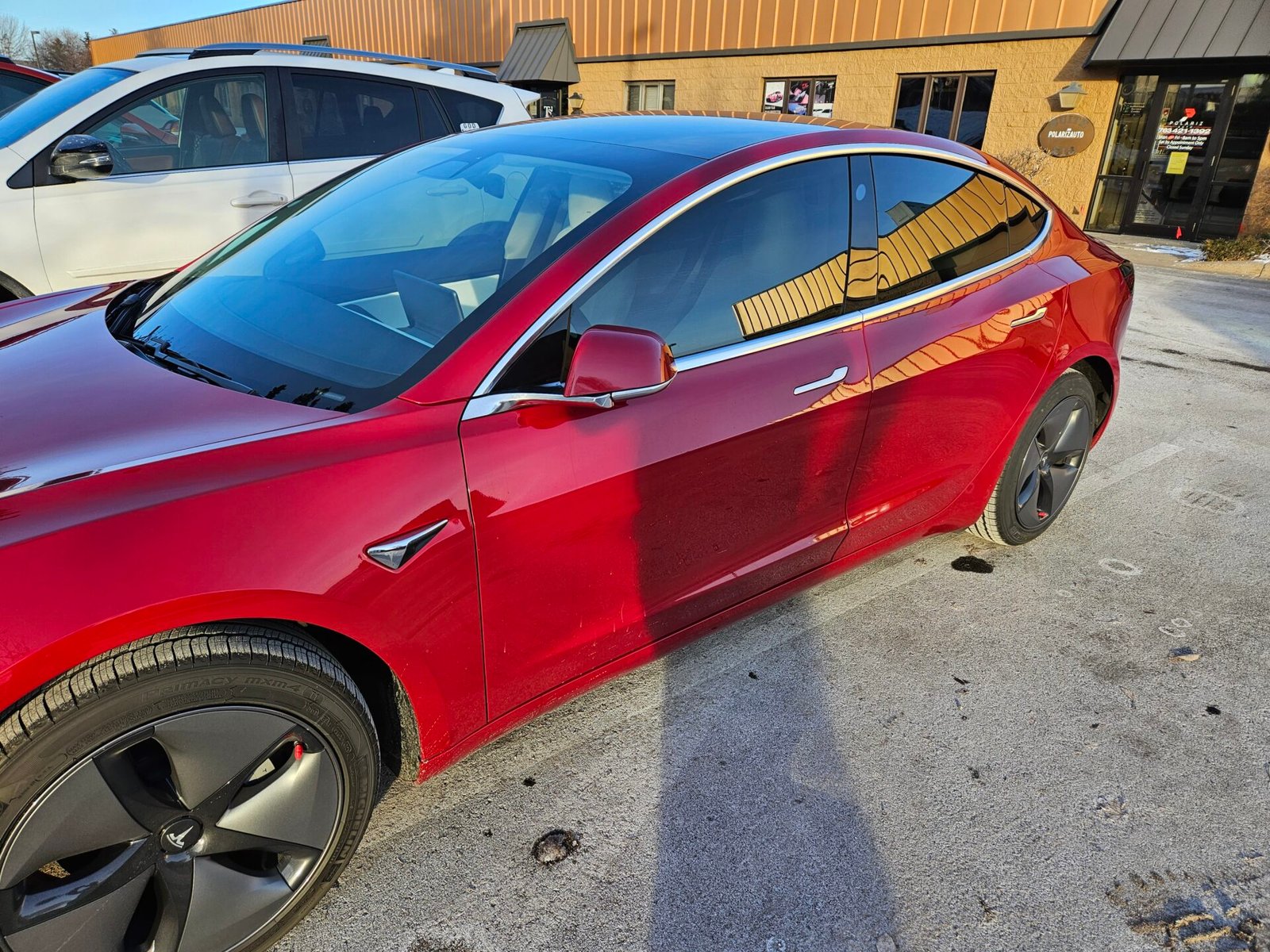
Ceramic window tint offers superior heat rejection, UV protection, and clarity—making it one of the best upgrades for cars in Minnesota. It keeps your cabin cool, reduces glare, and prevents interior fading without affecting your phone, GPS, or radio signals.
At Polarizauto, we specialize in installing premium ceramic window tints designed for lasting performance and comfort. Our advanced nano-ceramic films help you stay cool through hot summers and protect your interior from long-term sun damage.
In this guide, you’ll learn how ceramic window tint works, what makes it different from other tint types, and how to maintain it for maximum lifespan and clarity.
What Is Ceramic Window Tint for Cars?
Ceramic window tint is a specialized film for your vehicle’s windows that goes beyond basic sun protection. It blocks harmful UV rays, reduces heat buildup, and maintains clear visibility without interfering with electronic signals.
The technology inside the film ensures your car stays cooler and more comfortable, even on hot days.
How Ceramic Window Tint Works
Ceramic tint works by embedding thousands of tiny ceramic particles into the film. These particles are non-metallic and non-dye-based, so they don’t fade over time or block radio or GPS signals like some other tints do.
This tint effectively blocks up to 99% of UV rays and rejects a significant portion of infrared heat. Because it targets the heat rays specifically, your car’s interior gets less hot in the sun, which helps protect your dashboard and upholstery from damage.
Unlike traditional tints that darken the glass to reduce heat and glare, ceramic window film maintains high light transmission. This means you get protection without sacrificing your ability to see clearly, day or night.
Nano-Ceramic Technology Explained
Nano-ceramic technology refers to the microscopic ceramic particles used in the window film. These nanoparticles are engineered for heat rejection and durability without adding bulk or tint darkness.
The “nano” size increases the surface area these particles cover, providing a strong barrier against infrared and UV rays. Because the ceramic particles are inorganic, they don’t break down or discolor, keeping your tint looking fresh for years.
This technology also improves scratch resistance and enhances signal clarity, so your phone calls, Bluetooth, and GPS continue working smoothly inside the car. Advanced ceramic window film leverages nano-ceramic technology for long-lasting comfort and protection.
| Feature | Benefit |
| Non-metallic particles | No interference with signals or electronics |
| UV & Infrared blocking | Keeps heat and harmful rays outside |
| High visibility | Maintains a clear view without dark tinting |
| Durability | Resists fading, scratching, and discoloring |
Key Benefits of Ceramic Window Tint
Choosing ceramic window tint enhances your vehicle’s comfort, protection, and privacy without sacrificing visibility. It effectively reduces heat and glare while blocking harmful UV rays, making your driving experience safer and more pleasant.
You also gain valuable privacy without using overly dark films that can hinder your view.
UV Protection and Skin Safety
Ceramic tint blocks up to 99% of harmful UV rays, which are the leading cause of skin damage inside your car. Unlike traditional tints that may fade or lose effectiveness, ceramic particles maintain consistent UV protection over time.
This helps reduce the risk of skin aging and sunburn during daily driving. The film also protects your car’s interior by preventing upholstery and dashboard fading caused by solar UV exposure. This means your vehicle stays looking newer longer while you stay safer.
You benefit from this added skin safety and interior preservation whether you drive short trips or long hours under the sun.
Heat Rejection and Climate Control
One standout feature of ceramic tint is its high heat rejection capability. It can block 50-60% of solar heat without darkening your windows excessively. This keeps your car cooler during hot Minnesota summers, reducing the need for air conditioning and improving fuel efficiency.
Because ceramic films don’t rely on metal layers, they won’t interfere with signals like GPS or cell reception inside your vehicle. Your comfort improves with less solar heat entering, and you avoid signal problems that other tint types sometimes cause.
This is a practical, long-term investment for a more comfortable ride.
Glare Reduction for Improved Visibility
Glare caused by sunlight or headlights can be dangerous while driving. Ceramic window tint reduces glare by filtering intense light without compromising visibility. Even in bright conditions or at night, ceramic films allow you to see clearly without squinting or distraction.
This improved visibility enhances driver safety and reduces eye strain. Ceramic tint lets you focus on the road while maintaining a sharp, clear view. It’s a reliable way to improve your driving experience, especially during early mornings or late afternoons when glare is worst.
Enhanced Privacy and Security
Ceramic tint provides strong privacy by limiting what people can see through your windows. This protects you from prying eyes while still allowing you to see outside comfortably. Unlike metallic tints, ceramic films do not degrade in performance or cause signal interference.
Privacy also contributes to security by making it harder for potential thieves to spot valuables inside your car. When you choose trusted professional installation, you ensure it’s applied correctly for optimum performance and durability.
This privacy boost helps protect your belongings without compromising your comfort.
Shielding Your Electronics From UV-Driven Degradation
Sunlight isn’t just hard on skin and dashboards. Electronic displays and interior plastics degrade under UV exposure, especially in cars parked for hours a day.
The Skin Cancer Foundation highlights that quality UV window films block over 99% of UVA and UVB rays, protecting surfaces, components, and occupants alike. By filtering UV, tints help prevent fading or premature aging of touchscreens, instrument panels, and plastics — especially in harsh sunlight.
Ceramic Window Tint vs. Other Tint Types
When choosing a window tint for your car, the most important factors are heat rejection, UV protection, durability, and any impact on signals. Different tint types perform differently in these areas, so knowing the distinctions can help you pick the right fit for your needs and budget.
Ceramic vs. Dyed Window Film
Dyed window films rely on dye to absorb solar heat, which reduces glare and some heat but tends to fade over time. The color can change, and dye-based tints often offer less effective heat rejection and UV protection compared to ceramic tints.
Ceramic window tint uses nano-ceramic particles that block heat and UV rays far better than dyed films. This technology prevents fading and discoloration for years. Plus, ceramic tint doesn’t contain metals or dyes, so it won’t cause signal interference with your phone, GPS, or radio.
If you want strong heat rejection, clear views, and no impact on electronics, ceramic tint is a better choice than dyed film. A trusted expert can help you get this advanced film professionally installed for optimal results.
Ceramic vs. Metallic and Hybrid Films
Metallic tints incorporate metal layers that reflect heat and light. They are durable and effective at blocking heat but can cause signal interference, leading to poor cell phone reception, radio static, or GPS issues.
Hybrid films combine dyed and metallic layers. They improve heat rejection more than dyed tints but still carry the risk of signal problems due to their metal content. Also, metals can corrode over time, reducing durability.
Ceramic tint outperforms both metallic and hybrid films by blocking heat and UV rays without metals. This means no signal interference, better clarity, and longer-lasting performance. For reliable, interference-free protection, ceramic is the superior option.
Ceramic vs. Carbon Window Film
Carbon window tint offers better heat rejection than dyed or metallic films and eliminates signal interference since it uses carbon particles. It also has a rich, matte finish that many find visually appealing.
However, ceramic tint blocks significantly more heat and UV rays than carbon films, which means your car interior stays cooler and protected longer. Ceramic films also tend to hold up better against fading and peeling over time.
If you want the best balance of heat control, durability, and no signal interference, ceramic tint is worth the investment. Specialists recommend ceramic window tinting to customers who want top-level protection and comfort for their vehicles.
For more details, check out the comparison between ceramic and other tint types at carwindow-tinting.com.
Top Ceramic Window Tint Brands and Products
When choosing ceramic window tint, focus on performance factors like heat rejection, UV protection, clarity, and durability. Leading products use nano-ceramic technology to balance these, offering you comfort and clarity without interfering with electronics or signal reception.
3M Crystalline and Ceramic Series
3M is a top name in window film, highly trusted for automotive use. Their Crystalline Series combines multiple layers of nano-ceramic film to block up to 97% of infrared heat while maintaining excellent visible light transmission.
This means your car stays cooler without darkening your windows excessively. The Ceramic Series also uses advanced ceramic particles to reject heat and UV rays. It offers a slightly darker tint option for those wanting more privacy or glare reduction.
Both lines are durable, scratch-resistant, and come with a lifetime warranty when professionally installed. If you want reliable performance backed by extensive research, 3M films are a smart choice.
XPEL PRIME XR Plus and PRIME CS
XPEL’s PRIME XR Plus uses nano-ceramic technology designed specifically for automotive window tinting. It excels at heat rejection, blocking up to 98% of infrared light while maintaining excellent optical clarity. This film reduces interior fading and protects you from UV rays.
The PRIME CS variant is clearer and suited for drivers seeking minimal window darkening but still wanting effective heat and UV protection. Both films resist discoloration and bubbling over time, making them durable choices for long-lasting comfort.
XPEL focuses on precision and quality, making these tints solid options for anyone prioritizing heat management and clarity.
LLumar CTX and AIR Series
The LLumar CTX series is a true ceramic film line made with nano-ceramic particles. It offers high heat rejection, reducing solar energy by up to 58%, and blocks 99% of harmful UV rays. The CTX series features a natural, non-metallic look that won’t interfere with your phone or GPS signals.
Their AIR series blends ceramic and dyed layers, providing strong heat rejection with a slightly tinted look. Both options improve your driving comfort while protecting your interior. The AIR is a budget-conscious choice, while CTX targets premium buyers wanting top-tier ceramic performance without added reflectivity.
Hüper Optik Ceramic Series
Hüper Optik uses multiple layers of ceramic nano-particles to achieve impressive heat rejection and UV protection without metal. Their ceramic films block up to 70% of infrared heat and 99% UV, giving your car cool comfort and safeguarding the interior from sun damage.
These tints feature high optical clarity and a sleek, non-reflective finish, perfect if you want both style and function. Installation should be done by professionals to ensure maximum durability and performance.
Hüper Optik combines technology and aesthetics well for drivers in need of long-lasting ceramic protection.
Installation and Maintenance of Ceramic Window Tint
Getting ceramic window tint installed properly ensures you enjoy its benefits, like heat reduction and UV protection. Proper care after installation helps maintain its look and performance, so knowing how and when to care for it is important.
Professional vs. DIY Installation
You can install ceramic window tint yourself, but professional installation is often the better choice. Professionals have the tools and experience to precisely cut and apply the window film without bubbles or wrinkles.
This prevents damage and saves time. DIY installation might save money upfront, but requires patience and skill. Mistakes like dust under the film or uneven application can reduce effectiveness and durability. Installation usually takes 1-3 hours, depending on your vehicle size and complexity.
Choosing professional installation also means you get advice on local regulations and warranty coverage. It’s important, especially in Ramsey, MN, to ensure your tint complies with state laws on visible light transmission.
Best Practices for Longevity
After installation, wait at least 7 days before rolling down your windows to allow the adhesive to fully cure. This prevents lifting or peeling.
Clean your tint regularly with a soft cloth and mild soapy water. Avoid abrasive cleaners or ammonia-based products as they can damage the window film. Using a spray bottle and a microfiber cloth keeps your ceramic window tint looking new.
Protect your tint from scratches by not using razor blades or sharp tools on your windows. Regular maintenance helps your tint perform well against heat, UV, and fading for years.
Common Issues and Solutions
Bubble formation is a common problem, but it usually disappears within days as the adhesive cures. If bubbles persist, professional inspection is advised. Peeling edges or lifting often result from improper installation or rolling windows too soon.
Avoid touching or rolling windows too soon after application. Scratches from rough cleaning or sharp objects can be minimized with proper care. If significant damage occurs, tint replacement may be necessary.
For any issues, contact professionals who can assess and fix problems while protecting your investment.
Upgrade Your Drive With Ceramic Tint Protection
Ceramic window tint offers unmatched clarity, comfort, and UV protection for Minnesota drivers. Its advanced nano-ceramic technology helps keep your vehicle cooler, protects your interior from sun damage, and enhances your driving experience in every season.
Polarizauto delivers expert application using premium materials, ensuring your car looks sharp and stays protected. With professional installation, your ceramic tint will last for years without fading or bubbling.
Ready to experience cooler rides and superior UV protection? Schedule your ceramic window tint installation and drive with confidence and comfort.
Frequently Asked Questions
Ceramic window tint offers strong heat and UV protection while maintaining clear visibility and durability. Installation time, legal limits, and maintenance needs vary but impact your experience and the tint’s lifespan.
What are the benefits of choosing ceramic tint over other types of window film?
Ceramic tint blocks a higher percentage of heat and UV rays compared to dyed or metallic films. It reduces glare without interfering with electronic signals. The tint is also more durable, resisting fading and discoloration over time.
How does ceramic window tint compare to standard tint in terms of UV and heat rejection?
Ceramic tint rejects up to 50-60% of solar heat and blocks up to 99% of UV rays. Standard tints usually offer less heat rejection and fade faster. This keeps your car cooler and protects your interior better on hot Minnesota days.
Can ceramic tint be applied to all car windows, and are there legal limitations on tint darkness?
You can apply ceramic tint to most vehicle windows, but front windshield tinting is typically restricted to a small strip at the top. State laws set limits on how dark your tint can be, usually measured by Visible Light Transmission (VLT) percentages. Always check local regulations before installation.
What factors influence the cost of installing ceramic window tint on a car?
Cost depends on the size and number of windows, the quality of the ceramic film, and professional installation fees. Specialized nano-ceramic films cost more upfront but last longer. Choosing expert installers like Polarizauto ensures proper application and value.
How long does it typically take to install ceramic window tint, and what is the curing process?
Installation usually takes 1-3 hours, depending on vehicle size. After application, curing takes about 2-7 days for adhesive layers to fully set. During curing, avoid rolling windows down to prevent bubbles or peeling.
What maintenance is required to ensure the longevity of ceramic window tints?
Use mild, non-abrasive cleaners and a soft cloth when cleaning your windows. Avoid ammonia-based products as they can damage the film. Proper care can keep ceramic tint effective for up to a decade or longer, especially when installed by professionals like Polarizauto.