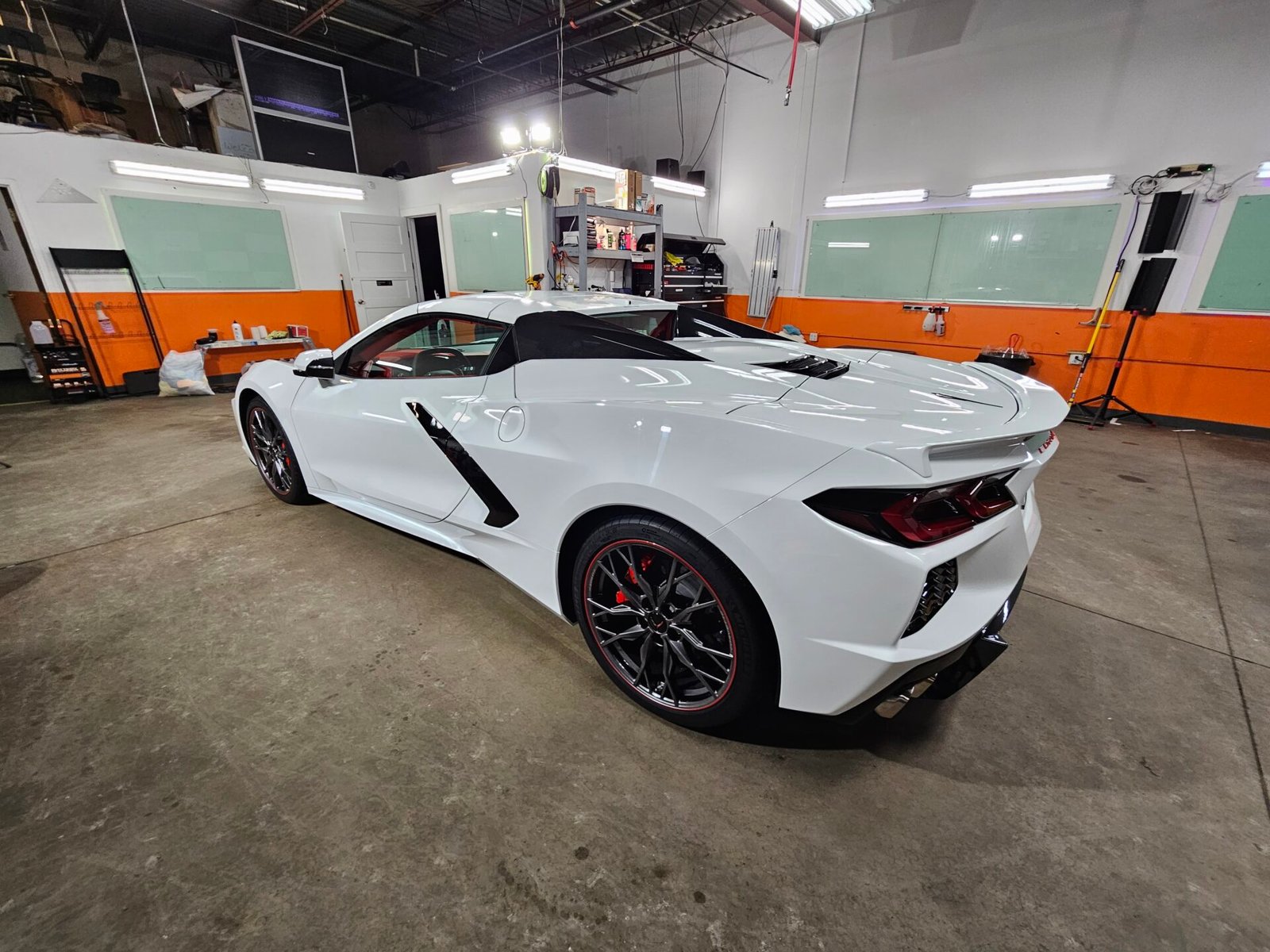
Ceramic window tint delivers advanced comfort, UV protection, and long-term savings compared to standard films. It costs more initially but pays off through durability, clarity, and better heat rejection.
At Polarizauto, we use high-performance ceramic films designed for lasting results and precise application. Each installation balances cost, clarity, and legal compliance, ensuring the best protection for your vehicle’s interior and comfort.
This guide explains the factors influencing ceramic tint pricing, how it compares to other film types, and what to expect from certified professional installation. It aims to help you select lasting value with confidence.
Ceramic Window Tint Cost Breakdown
Prices vary by vehicle size, how many windows you tint, and whether the job is for a car or a building. Ceramic films cost more than basic dyed or metallic tints because they block heat and UV better and don’t interfere with signals.
Average Price Ranges by Vehicle Type
Compact cars and small sedans typically cost between $150 and $300 for a full ceramic tint job. Sedans commonly fall in the $200–$350 range. Larger vehicles like SUVs, vans, and trucks usually range from $300 to $600, since they need more film and take longer to install.
Film brand, installer skill, and window shape drive price. Curved or rear windows with defrosters add labor time. Warranties and higher heat-rejection ratings push the price to the upper end. Ask for a written quote listing film brand, warranty length, and Visible Light Transmission (VLT) percentage.
Full vs. Partial Tinting Costs
Full tinting (all sides and rear windows) costs more but gives consistent heat control and appearance. Expect a full job to be roughly 1.5–2× the price of partial tinting, depending on vehicle size.
Partial jobs (front two windows or rear only) often start around $50–$150 for a single pair on small cars. Partial tint can save money short-term, but you may lose some of the heat-blocking and UV protection benefits.
Compare per-window pricing and factor in travel or minimum labor charges. Request a breakdown showing material cost and labor hours to compare installers fairly.
Cost for Homes and Buildings
Residential ceramic tint tends to be priced by area, commonly $8–$15 per square foot. For commercial buildings, expect $10–$20 per square foot due to larger panels, special adhesives, and possible safety or permit requirements.
Factors that change price include glass type, window access (scaffolding raises cost), and whether you want high-IR rejection or added privacy films. Get bids that show square footage, film model, and installation method.
Multiplying the per-square-foot cost by the total glass area gives a clear estimate. Also, check whether the installer includes warranty and cleanup in the quoted price.
Factors Affecting Ceramic Window Tint Cost
You’ll pay more or less based on how many and how large your windows are, which brand and quality of film you pick, how hard the job is to install, and where you live. Each factor changes the final quote for car window tinting.
Vehicle Size and Number of Windows
Larger vehicles need more film and more labor. An SUV or van usually costs more than a sedan because of extra rear windows, a bigger windshield sun strip, and rear hatch glass. If your vehicle has small quarter windows, a third row of glass, or a panoramic roof, expect higher material and cutting time charges.
Count the windows before you get quotes. Shops often price “full-vehicle” packages differently from per-window rates. For a standard sedan, full ceramic tint tends to fall on the lower side of the range. For trucks and SUVs, expect the top end.
Tint darkness and required visible light transmission (VLT) for each window can also change cost because some films need custom cutting or special handling.
Film Brand and Tint Film Quality
Brand matters for performance and price. Premium ceramic films from well-known makers cost more but offer better heat rejection, clearer visibility, and longer warranties. Lower-cost or off-brand films will be cheaper upfront but may fade, bubble, or block signals.
Ask about specs: UV block percentage, infrared heat rejection, and VLT rating. A high-rejection ceramic film that blocks 90%+ of infrared and keeps VLT within legal limits typically costs more.
You’ll also see hybrid options (ceramic plus carbon or graphene) priced between budget and top-tier ceramic. Choose the level of clarity and heat control you want, and balance it with the warranty the brand offers.
Understanding the Role of Infrared Rejection Ratings
Infrared rejection is a key indicator of a ceramic tint’s performance and price. The U.S. Department of Energy notes that infrared-reflective coatings reduce heat transfer by limiting solar energy absorption.
Higher IR rejection ratings mean cooler interiors and lower AC use, which affects film cost. Not all tints with the same darkness perform equally, so reviewing IR and Total Solar Energy Rejection (TSER) data is essential.
Professional installers use certified performance specs to match film grade with budget and climate.
Installation Complexity and Labor Charges
Complex installs raise labor costs quickly. Curved or steeply sloped windows need more skill and time to shape the film without creases. Rear windshields with defrosters, embedded antennas, or adhesive clips require extra care and may add hourly labor fees.
Professional window tinting shops set prices based on technician skill and time needed. Simple jobs might be quoted per window; complex jobs often use flat packages plus surcharges. If you need legal VLT verification, custom cut patterns, or removal of old tint, expect extra charges.
Always confirm whether the shop includes post-install inspection and a warranty labor guarantee.
Geographic Location and Market Rates
Where you live changes the price. Urban areas and regions with higher wages usually charge more for professional window tinting than small towns. States with stricter tint laws may push installers to use certified films or add legal-compliance checks, which can raise costs.
Local demand also matters. Shops in hot climates may charge more for high-performance ceramic films because customers value heat rejection. Check multiple quotes in your area and compare what each includes: number of windows, film brand, VLT level, and warranty.
Seasonal promotions can lower costs, so timing a purchase can save you money.
Ceramic Window Tint Performance and Benefits
Ceramic window tint reduces cabin heat, blocks most UV rays, and resists fading for years. These benefits translate to cooler interiors, less sun damage to upholstery, and a film that keeps working without harming electronics.
Heat Rejection Capabilities
Ceramic window film uses nano-ceramic particles to reflect and absorb infrared (IR) heat. This lowers the amount of solar heat entering your cabin, so your air conditioning runs less, and the interior stays cooler on hot days.
High-quality ceramic film can cut infrared heat significantly compared with dyed or metallic films. That gives you more comfort on long drives and a faster cooldown when you return to a parked car.
Ceramic tint is non-metallic, so it keeps visibility clear while rejecting heat. You get heat control without the reflective, mirrored look of some metallic films.
UV Protection Advantages
Ceramic window tint blocks up to 99% of harmful UV-A and UV-B rays, depending on the film grade. This reduction protects your skin during daily driving and lowers fading and cracking of leather, plastics, and fabrics.
You don’t need to rely on shades or sunshields as much; the film provides continuous protection. Look for a film spec sheet that lists UV rejection percentage and any lab-tested certifications.
UV protection comes without signal interference because ceramic particles are non-conductive. Your phone, GPS, and radio performance stay the same while you gain strong sun protection.
Durability and Longevity
High-quality ceramic film resists fading, bubbling, and discoloration far better than dyed films. Many ceramic tints last 10–15 years when installed correctly and cared for with gentle cleaning.
The strong adhesives used on premium ceramic window tint help it stay bonded to glass through temperature swings and car washes. That lowers the chance you’ll need re-tinting due to peeling or edge lift.
Warranty matters: choose an installer who documents expected lifespan and offers a warranty that covers adhesive failure and premature fading. That protects your investment and ensures the long-term performance you expect.
Ceramic Window Tint vs. Other Tint Types
Ceramic tint offers stronger heat rejection and longer life than many cheaper films, while dyed and carbon options cost less up front. Below you’ll find clear differences in material, performance, and typical price so you can pick the right balance of cost and benefits.
Ceramic vs. Dyed Window Tint
Dyed tint uses layers of dye to darken glass and block some heat. It tends to cost between $100–$250 for a full car install. You get basic privacy and reduced glare, but dyed films fade, discolor, and lose performance after a few years.
Ceramic tint uses nano-ceramic particles that block infrared heat and up to about 99% of UV rays. Expect full-car ceramic installs from roughly $400–$1,200, depending on vehicle size and brand. Ceramic keeps clarity, won’t purple over time, and doesn’t interfere with electronics.
Ceramic vs. Carbon Tint
Carbon tint adds carbon particles for better heat control than dyed film and resists fading. Carbon installs usually sit between dyed and ceramic in price, commonly $200–$400 for a standard car. You’ll get improved infrared rejection and a matte look that many owners like.
Ceramic still outperforms carbon on total heat rejection and signal transparency. Ceramic avoids radio or GPS interference and gives higher UV blocking. If you want near-top performance and long life, ceramic is worth the premium.
If you want solid heat control with a lower cost than ceramic, carbon is a good middle ground.
Cost and Performance Comparison
Price ranges you can expect:
- Dyed tint: $100–$250 (lowest upfront cost, short lifespan)
- Carbon tint: $200–$400 (moderate cost, better heat control, no fading)
- Ceramic tint: $400–$1,200+ (highest cost, best heat rejection, long lifespan)
Performance trade-offs matter for your climate and vehicle use. In hot, sunny regions, ceramic reduces cabin temperature more and cuts AC use. For short-term ownership or tight budgets, dyed or carbon tint lowers the initial window tint cost.
If you keep your car for several years and want consistent heat and UV protection, ceramic offers better long-term value.
DIY vs. Professional Ceramic Tint Installation
You can save money and control film choice with DIY ceramic tint kits, or pay more for a shop’s speed, warranty, and experienced fit. Both options affect cost, time, and long-term performance.
DIY Ceramic Tint Kits and Costs
DIY ceramic tint kits usually cost $180–$550 for a sedan, depending on film quality. Kits come pre-cut to fit your vehicle and include adhesive film. You’ll need basic tools like a squeegee and a heat gun. Most people spend 2–4 hours on their first install and 1.5–2 hours after some practice.
Doing it yourself gives you control over the ceramic film type, saves money if you tint more than one car, and helps you learn a new skill. The risks include bubbles, edges lifting, and limited warranties—manufacturers often only cover the film, not your installation work. If you damage the glass or trim, you’ll need to pay for repairs.
Benefits of Professional Window Tinting
Professional window tinting usually costs $350–$900 for mid- to high-grade ceramic on a sedan. Shops handle the fit, finish, and tricky rear windows. Experienced installers use controlled environments and heat tunnels to avoid bubbles and creases.
Shops often offer short-term installation warranties and can remove old tint for an extra fee. You pay more up front but spend less time and face fewer installation problems. Choose a shop that provides product specs and a written warranty, so you know you’re getting real ceramic tint.
Invest Smartly in Comfort and Long-Term Protection
Ceramic window tint costs more upfront but delivers measurable comfort and reliability over time. Its UV blocking, heat rejection, and clarity make it a long-term upgrade for your vehicle.
At Polarizauto, we combine certified installation methods with high-performance ceramic films. That is how we ensure durable, even coverage and reliable protection. You get clear visibility, temperature control, and lasting results without compromise.
Compare your options and schedule a professional consultation to see how ceramic tint can enhance your vehicle’s comfort, appearance, and long-term value.
Frequently Asked Questions
Costs vary by film type, vehicle size, installer, and location. Ceramic tints cost more up front but last longer and block more heat and UV than basic tints.
What is the average cost difference between ceramic and regular window tint?
Ceramic tint usually costs $150–$400 more for a full vehicle than basic dyed or metallic tints. For a sedan, regular tint might cost $150–$350, while ceramic often costs $300–$600.
How does the pricing for ceramic window tint vary by vehicle type?
Compact sedans are on the low end, often $300–$500. SUVs and trucks usually cost $400–$800 because they have more glass and larger windows.
Can the price of window tint installation change based on location?
Yes. Urban areas and places with higher labor costs charge more. Local demand and competition also affect price, so shops in different cities can quote very different totals.
What factors contribute to the cost of ceramic window tinting?
Film quality, number of windows, and removing old tint raise the price. Warranty length, installer skill, and added services like windshield or sunroof tinting also increase cost.
Is there a significant price difference between ceramic tint brands?
Yes. Premium brands with better infrared rejection and strong warranties cost more. Lower-tier ceramic films cost less but may not last as long or perform as well.
How does ceramic window tint pricing compare to other premium tint options?
Ceramic usually costs more than carbon and hybrid films but less than some specialty films with advanced coatings. Carbon costs less and lasts 5–8 years. Ceramics often last 10–15 years, which can justify the higher price.