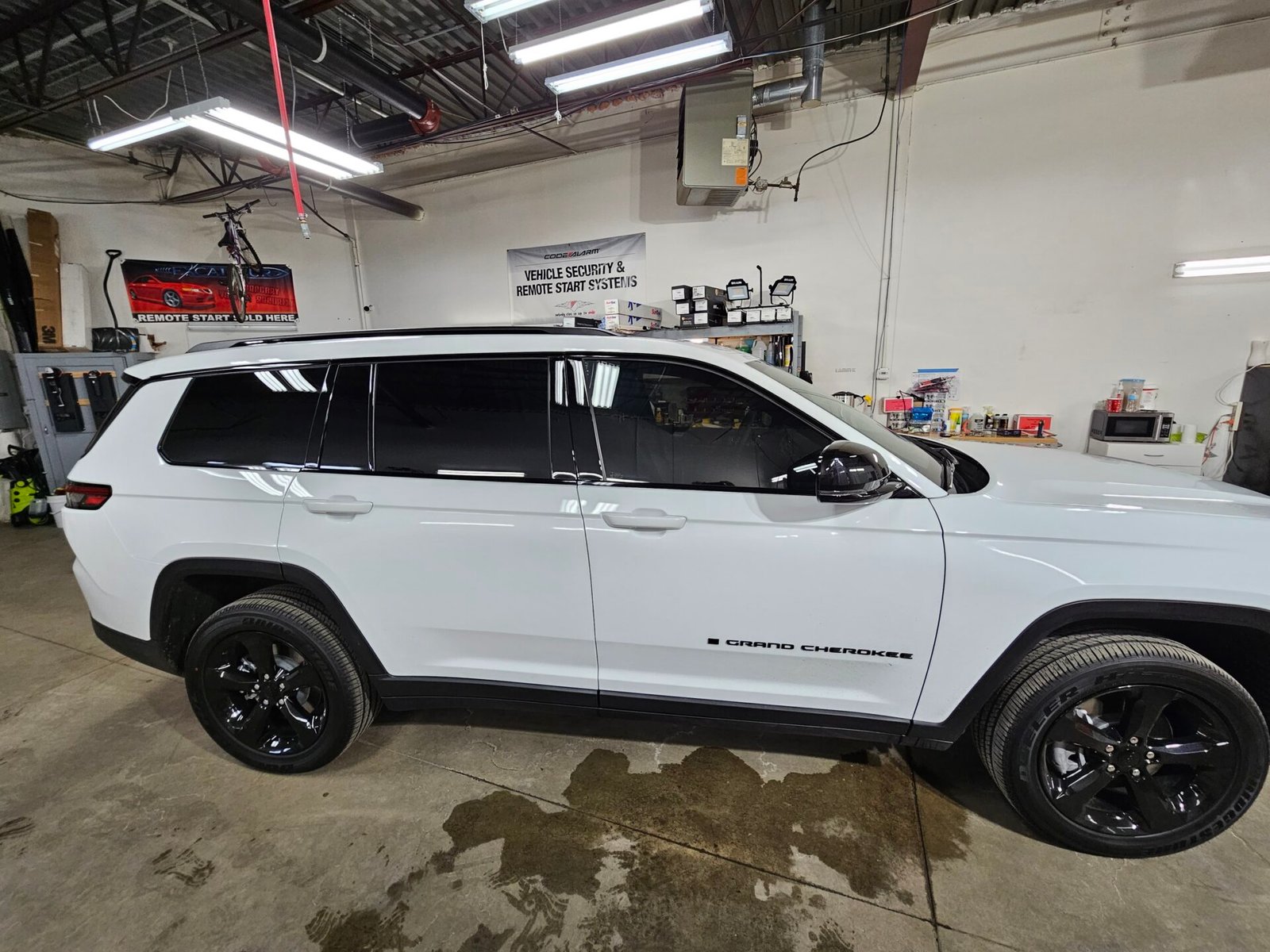
Ceramic window tint gives you real comfort, blocking heat and UV while keeping your glass clear and signal-friendly. It’s made with nano-ceramic particles that filter sunlight more effectively than standard films, reducing glare without darkening your view.
At Polarizauto, we work with advanced ceramic films that deliver durable protection, clear visibility, and heat control tuned for local driving conditions. Our installers match each film’s performance to your vehicle’s glass type for optimal clarity and comfort.
In this article, you’ll learn how ceramic tint works, how it compares to dyed and metallic films, and why it’s a smart investment for lasting comfort, safety, and energy savings.
What Is Ceramic Window Tint?
Ceramic window tint is a high-performance film you apply to glass to cut heat, block UV rays, and reduce glare without affecting electronics or clarity. It uses tiny ceramic materials in a multi-layer film to keep interiors cooler and protect surfaces.
How Ceramic Window Tint Works
Ceramic window film blocks parts of sunlight by reflecting and absorbing infrared (heat) and ultraviolet (UV) light, while letting visible light pass through. Your view stays clear.
The film’s layers include a scratch-resistant coating, the nano-ceramic layer, and a strong adhesive. Together, they stop most UV rays and a large share of infrared heat. This keeps interiors cooler and slows the fading of seats and dash materials.
Because the ceramic particles are non-metallic and non-conductive, the tint won’t interfere with your phone, GPS, or radio signals. Installers cut the film to fit each window for a smooth, bubble-free finish.
Nano-Ceramic Particle Technology
Nano-ceramic particles are microscopic ceramic bits embedded in the film. Each particle measures at the nanometer scale and targets specific light wavelengths without darkening your view too much.
These particles reflect infrared energy and absorb UV rays. That gives you strong heat rejection and up to about 99% UV protection, depending on the product. The particles do not corrode or fade like dyes, so the film keeps its color and performance for years.
Because nano-ceramic is non-metallic, it stays compatible with electronics and offers high optical clarity. You get better visibility at night and less glare during the day compared with older dyed or metallic tints.
Core Benefits of Ceramic Window Tint
Ceramic window tint reduces interior heat, blocks harmful UV rays, and preserves device signals. It targets infrared energy while keeping clear visibility and long-term stability.
Exceptional Heat Rejection
Ceramic tint uses tiny ceramic particles to block infrared (IR) radiation, which carries most of the sun’s heat. Your cabin or room stays cooler without relying only on darker film. Expect large reductions in IR heat—specific performance depends on the product and Visible Light Transmission (VLT) level you choose.
You’ll notice less air‑conditioning demand and faster cooling when you enter a parked car. For homes, this translates to lower peak indoor temperatures and reduced HVAC run time. The ceramic layers reflect and absorb heat, so the cooling effect stays stable over the years.
UV Protection Features
Ceramic films block up to 99% of ultraviolet (UV) rays that cause skin damage and interior fading. This protects your skin during long drives and prevents leather, fabrics, and plastics from degrading quickly. Look for films listing UV‑blocking percentages and IEC or similar lab test results.
The UV barrier sits in multiple layers of the film and does not rely on color or metal. That keeps color stability high and prevents the yellowing that occurs with lower‑quality dyed films. You get consistent UV protection across the life of the tint.
No Signal Interference
Ceramic tint is non‑metallic, so it does not disrupt cellular, GPS, keyless‑entry, or radio signals. If your vehicle uses advanced driver aids, Bluetooth, or Wi‑Fi, ceramic film lets those systems work normally. Metalized films can cause antenna problems and reduce signal strength.
Nonconductive ceramic particles also avoid the static or dropouts sometimes seen with metallic coatings. You keep reliable phone calls, navigation accuracy, and remote key functions while retaining the heat and UV benefits of the tint.
Performance and Comfort Improvements
Ceramic tint helps keep your car cooler, cuts sun damage, and keeps electronic signals working. It focuses on letting the right amount of light through while blocking heat and glare.
Visible Light Transmission and Optical Clarity
Visible Light Transmission (VLT) tells you how much light passes through the glass. Higher VLT numbers mean more light and clearer views; ceramic films perform well at both high and low VLTs.
You can choose a 70% VLT for near-stock brightness or a 35% VLT for more privacy while still keeping good heat rejection. Ceramic particles do not cloud the view. That preserves the sharpness and true color of objects outside.
At night and in bad weather, you’ll see road signs and lane markings more clearly.
Benefits at a glance:
- High VLT options keep visibility for front windows and windshields.
- Low optical distortion reduces eye strain on long drives.
- Stable color avoids the purple or brown shift some cheap films cause.
Glare Reduction and Enhanced Visibility
Ceramic film reduces glare by filtering intense sunlight and reflections off metal or pavement. You notice less harsh brightness when driving toward the sun or when headlights hit your mirrors.
IR-blocking ceramic particles and controlled VLT both help reduce glare. Even lighter ceramic tints cut glare without making the cabin too dark. That helps you keep better contrast on the road—cars, pedestrians, and signs stand out more.
Practical effects you’ll see:
- Reduced glare during sunrise and sunset.
- Less need for sunglasses inside the car.
- Clearer night driving with less scattered light and fewer halo effects around lights.
Durability and Warranty
Ceramic window tint resists fading and keeps heat out for years when installed correctly. Warranties often cover defects like bubbling, peeling, and discoloration, so check the terms before you buy.
Fade Resistance and Longevity
Ceramic tint uses non-metallic ceramic particles that resist UV breakdown, so it typically holds color and clarity far longer than dyed films. Quality ceramic films last around 10–15 years under normal conditions, though intense sun and heat can shorten that span.
Installation quality matters. Poor surface prep or trapped contaminants lead to early bubbling and edge lift. Clean glass, professional installation, and avoiding ammonia-based cleaners help the film reach its rated life.
Maintenance is simple. Use a soft microfiber cloth and a mild, tint-safe cleaner to avoid damaging the adhesive or top coat. Park in shade when possible to reduce daily thermal stress.
Lifetime Warranty Details
Some manufacturers or installers offer a lifetime warranty for ceramic window tint. “Lifetime” usually means the life of the vehicle or the original purchaser, not an unlimited guarantee. Warranties commonly cover peeling, bubbling, and significant fading, not accidental damage or misuse.
Check for transferability and the claim process. A transferable lifetime warranty adds value if you sell the vehicle. Keep your original sales receipt and installation paperwork; most claims require proof of purchase and an inspection by an authorized installer.
Warranties typically exclude damage from window tint removal, glass replacement, scratches from abrasive cleaners, and damage caused by aftermarket accessories. Ask for a written warranty that lists coverage, duration, and any service fees.
Ceramic Tint vs Other Window Tint Types
Ceramic tint blocks more heat and UV than most tints, keeps signal devices working, and resists fading. It costs more up front but lasts longer and keeps the glass clearer over time.
Ceramic vs Regular and Dyed Tint
Regular or dyed tint uses color layers to darken glass. It reduces glare and looks good at first, but the dye absorbs heat and fades or turns purple over a few years. It typically rejects about 20–35% of heat and blocks less UV than ceramic.
Ceramic tint embeds nano-ceramic particles that reflect and absorb infrared and UV light without dye. That gives you up to around 50% or more heat rejection and up to 99% UV blockage. Ceramic is non-conductive, so it won’t interfere with GPS, cell, or radio signals. You’ll pay more, but you’ll get a longer life, a clearer view at night, and less color change.
Choose a dyed tint if your priority is the lowest price and appearance only. Choose ceramic if you want real heat control, long-term clarity, and no signal issues.
Ceramic vs Metallic Tint
Metallic tint uses metal particles to reflect heat and glare. It can work well for heat rejection and durability, often matching or exceeding dyed tint in lifespan. However, metallic layers can cause glare, change the look of your windows, and block or degrade radio, GPS, and phone signals.
Ceramic tint matches metallic in heat performance without metal. You keep a strong signal reception and a non-reflective finish.
Ceramic also resists corrosion and clouding that can affect some metallic films over the years. If you use in-car tech often or park in urban areas where signals matter, ceramic keeps electronics reliable while still cutting heat.
Pick a metallic tint if you want a reflective look, and cost is a concern, and you don’t mind potential signal loss. Pick ceramic if you need tech compatibility and a low-reflective appearance.
Cost-Benefit Analysis
Upfront cost ranges widely. Regular/dyed tint often costs $100–$250 for a sedan. Ceramic tint typically runs $400–$800, depending on film quality and vehicle size. Metallic tints sit between those ranges in many markets.
Consider lifespan and performance, not just price. Dyed tints may need replacement in 2–4 years. Ceramic films often last 7–10+ years and keep optical clarity, so replacement costs fall. Ceramic also reduces interior heat, which can lower A/C use and comfort issues on hot days.
If you plan to keep the vehicle for many years or live in a hot climate, ceramic usually gives better value over time. If you sell the vehicle in a year or need the cheapest option now, dyed or basic metallic might fit your budget.
Energy Efficiency and Additional Advantages
Ceramic window tint cuts solar heat, blocks nearly all UV rays, and keeps interior light clear. It also offers design choices that match your privacy, glare control, and style needs.
Energy Savings Potential
Ceramic tint reduces heat gain by reflecting and absorbing infrared energy from sunlight. That lowers peak cooling demand on air conditioners, which can lower your summer energy bills. In warm climates, you can expect the biggest savings during hot afternoons when solar load is highest.
The film blocks up to about 99% of UV radiation, which protects upholstery and flooring and reduces the need to replace faded items. Because ceramic tint is non-metallic, it won’t interfere with phone, GPS, or radio signals like some metalized films do, so you keep comfort without losing connectivity.
Installation quality matters. To maximize savings, have a pro cut and apply the film to avoid bubbles and gaps that reduce performance.
Aesthetics and Customization Options
You can choose from a range of visible light transmission (VLT) levels to balance light and privacy. Lighter tints keep interiors bright while reducing heat, and darker tints increase privacy and lower glare more effectively.
Ceramic films come in neutral, non-reflective finishes that preserve window clarity and outside color. They resist yellowing and keep their look longer than dye-based tints. Many brands offer warranties and different thicknesses, so you can pick durability levels that match your budget and window wear.
Smart Protection That Lasts for Years
Ceramic window tint brings together the best mix of comfort, clarity, and performance. It shields against heat and UV rays while staying distortion-free and signal-safe. With proper installation, it can enhance driving comfort and preserve interior quality for years.
At Polarizauto, our certified team installs high-grade ceramic films using precision cutting and cleanroom techniques to ensure a flawless finish. Every film is matched to your car’s design and light level needs for seamless performance.
Ready to upgrade your comfort and protection? Visit our shop or schedule a consultation online to explore ceramic tint options that fit your vehicle and style.
Frequently Asked Questions
Here are clear answers about price ranges, performance differences, real benefits, and where ceramic tint fits for cars and homes. The answers focus on what matters when you choose a product or installer.
What is the average cost of installing ceramic window tint?
For most cars, the cost for a full installation ranges from $200 to $800. Small cars sit near the low end, while SUVs, vans, and vehicles with complex curves push toward the high end. For homes or commercial windows, installers usually charge by the square foot. Typical residential jobs run from $8 to $15 per square foot, depending on film quality and labor.
What are the benefits of ceramic window tint over regular tint?
Ceramic tint blocks more infrared heat and up to 99% of UV rays, so your cabin stays cooler and fabrics fade less. It keeps glass clear without the metallic shine that some metalized films create. Because ceramic film is non-metallic, it won’t interfere with GPS, radio, or phone signals. Ceramic tints resist fading, bubbling, and discoloration better than dyed films.
How does nano ceramic tint compare to traditional ceramic tint?
Nano ceramic tint uses smaller ceramic particles for slightly better heat rejection and optical clarity. Both types avoid metal and electronics interference, but nano-ceramic often costs more and may offer marginally higher performance.
Installation and warranty matter more than the small performance gap. Choose a trusted installer and a product warranty to protect your investment.
Which ceramic window tint brand is considered the best on the market?
No single brand is best for every need; leading names include Llumar, 3M, XPEL, and Huper Optik. Look for brands with long warranties, clear performance data (IR rejection, UV block, VLT), and wide installer networks.
Pick the brand that local certified installers prefer and back it with a multi-year warranty.
Can ceramic tint be applied to home windows, and what are the advantages?
You can apply ceramic film to windows in homes and offices. It reduces solar heat, blocks UV, and lowers glare, which cuts cooling costs and protects furniture, flooring, and art from fading. Ceramic film keeps outside views clear and won’t disrupt Wi‑Fi or other signals like metal films can.
What should I look for when reading reviews on ceramic window tints?
Look for comments about heat reduction, UV protection, and long-term durability, not just appearance. Focus on installer quality and warranty experiences. Notice if reviewers measured temperatures or just shared their impressions.
Check for repeated complaints about bubbling, peeling, or signal interference. Reviews with verified purchases and customer photos are more credible.