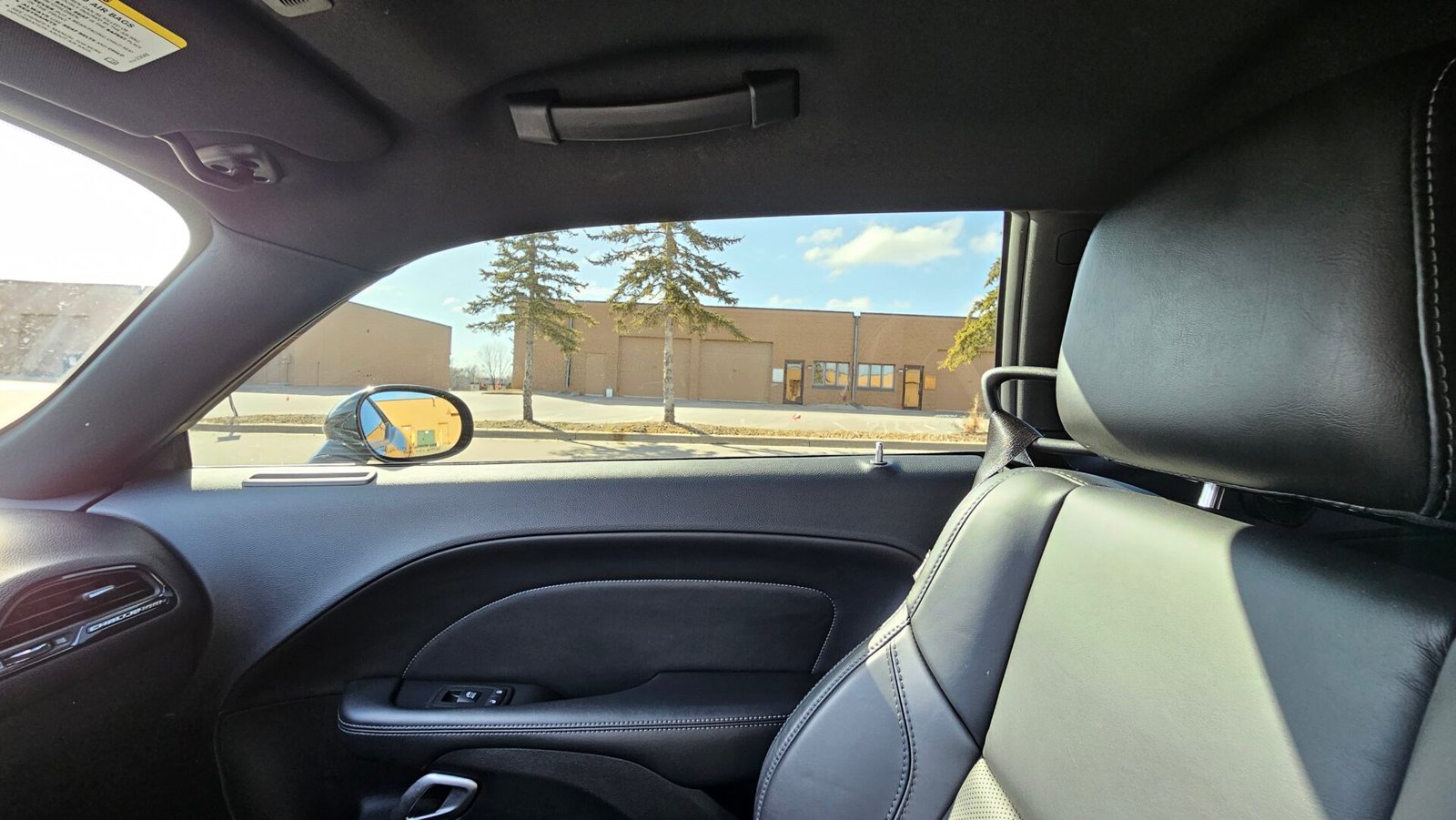
Comparing ceramic vs. regular window tint comes down to balancing performance, cost, and long-term comfort. Regular tint provides basic UV protection and shading at a lower price.
Meanwhile, ceramic tint uses advanced nano-technology to reject more heat, block nearly all UV rays, and maintain color clarity for years. Polarizauto helps drivers upgrade to ceramic tint for superior comfort during hot summers and clearer visibility year-round.
In this guide, we’ll compare how both tints perform in heat rejection, durability, cost, and everyday usability—so you can decide which option best fits your vehicle and lifestyle.
Understanding Ceramic and Regular Window Tint
When choosing between ceramic and regular window tint, it’s important to understand what each type is made of, how they function, and how they affect your vehicle’s comfort and protection.
Both options provide shading, but their materials, performance, and impact on your driving experience can differ significantly.
What Is Ceramic Window Tint?
Ceramic window tint uses tiny ceramic particles embedded in a multi-layer polyester film. These ceramic nanoparticles block a high percentage of infrared heat and UV rays without using dyes or metals. This means it won’t interfere with your car’s electronics or signals, like GPS or Bluetooth.
Ceramic tint also offers better durability and resists fading or discoloration over time. It maintains a clearer appearance compared to regular tint and provides superior heat rejection, keeping your car cooler on hot days.
For these reasons, ceramic window tint is often considered a premium choice for vehicle owners who want long-lasting performance and comfort.
What Is Regular Window Tint?
Regular window tint typically consists of dyed or metallic layers within a polyester film. Dye-based tint absorbs sunlight and reduces glare but tends to fade and bubble over time. Metallic tint improves heat rejection but can interfere with electronic signals and cause reflections on the glass.
Regular tint is usually more affordable upfront, but may lose effectiveness faster and compromise signal clarity. It offers basic UV protection and shading, which still benefits your comfort and helps protect your car’s interior.
However, it lacks the advanced technology and durability of ceramic tint.
How Window Tinting Works
Window tinting works by applying a thin film to your vehicle’s glass that reduces the amount of visible light, heat, and UV rays passing through. Different materials and technologies in the tint determine how much heat and UV radiation are blocked.
The film absorbs or reflects rays depending on its composition—such as ceramic or metal particles, or dye. This improves comfort inside your car by lowering interior temperatures, protects your skin and the car’s interior from sun damage, and enhances privacy.
Trusted professionals carefully apply ceramic or regular tint films to ensure even coverage and maximize benefits, helping you protect your vehicle and enjoy a better driving experience. Choosing the right tint can make a big difference in daily comfort and protection.
Key Differences Between Ceramic and Regular Window Tint
When choosing between ceramic and regular window tint, you’ll want to understand how their materials, light transmission, and technology affect performance and comfort. These factors influence heat rejection, visibility, and long-term durability in your vehicle.
Material Composition and Technology
Ceramic tint uses advanced nano-ceramic particles embedded in a multi-layer polyester film. These particles provide superior heat rejection and UV protection without affecting signal reception from devices like GPS or smartphones.
Regular tint, often dyed or metalized, relies mostly on carbon black or metallic layers to block light and reduce glare. While effective initially, dyed tint tends to fade over time and can cause signal interference with certain electronics.
Ceramic films are more durable, resisting discoloration and damage from sunlight longer than dyed films. This difference in composition means ceramic tints generally provide better performance and longer lifespan for your car’s windows.
Visible Light Transmission (VLT) Variations
Visible Light Transmission (VLT) measures how much visible light passes through the tint. Ceramic tint offers a wide range of VLT levels, allowing you to balance privacy and visibility without compromising clarity inside your car.
Regular tints can provide similar VLT options but often cause a darker, more colored look due to dye saturation. This can slightly reduce visibility and cause a tint color shift when viewed from outside.
With ceramic tint, you get clearer optics and less distortion, which means better visibility and less eye strain during driving. This makes ceramic tint a preferred choice if you want comfort without sacrificing safety or style.
Nano-Ceramic Particles vs. Dyed Film
The nano-ceramic particles in ceramic tint work by blocking infrared and UV rays rather than just absorbing light. This technological difference means ceramic tint can reject up to 50% more heat than dyed films, keeping your interior cooler on hot days.
Dyed films primarily absorb sunlight, which can make the tint warm up quickly and degrade over time. This absorption also tends to reduce heat rejection, making your car’s cabin hotter and less comfortable.
By contrast, the non-metallic ceramic particles don’t conduct heat or interfere with electronic signals, making ceramic tint the better investment for long-term comfort and protection. When installed by a professional service, you can expect a precision application that enhances these benefits.
Performance Comparison: Heat Rejection, UV Protection, and Glare Reduction
When choosing between ceramic and regular window tint, you want to focus on how well each film handles heat, blocks UV rays, and reduces glare. These factors directly affect your driving comfort, vehicle protection, and overall experience on the road.
Heat Reduction Capabilities
Ceramic window tint outperforms regular tint in heat rejection. It blocks up to 85% of infrared heat from the sun, which is the main cause of cabin temperature rising. In comparison, regular tint typically blocks around 50%. This means your car stays cooler on hot days, reducing reliance on air conditioning and improving fuel efficiency.
Regular tints often rely on dyes or metals to block heat, but these methods are less effective and may fade over time. Ceramic tints use advanced ceramic particles that remain stable and do not interfere with electronic signals.
We recommend ceramic tint if your priority is significant heat reduction, especially in warmer months or sunny Minnesota days. The difference in performance is noticeable even in moderate climates and directly impacts driving comfort.
UV Protection Effectiveness
UV rays can damage your skin and fade your vehicle’s interior over time. Ceramic tints provide nearly 99% UV protection, blocking almost all harmful ultraviolet light. Regular tints usually block about 95%, which is still good but less effective over the long term.
The enhanced UV-blocking capability of ceramic tint helps protect your dashboard, seats, and trim from cracking and discoloration. It also lowers your risk of sun-related skin damage during daily driving.
If you spend a lot of time on the road or park in direct sunlight frequently, ceramic tint provides an added layer of defense that keeps both you and your car protected longer.
Glare Reduction Benefits
Glare from the sun and headlights can strain your eyes and make driving uncomfortable or even dangerous. Ceramic tint offers superior glare reduction by filtering out intense light frequencies without darkening your windows excessively.
Regular tint generally provides moderate glare reduction but can compromise visibility, especially in low-light conditions. Ceramic films maintain clearer visibility with less distortion, making your drive safer and less tiring on your eyes.
By reducing glare efficiently, ceramic tint helps maintain a clearer view of the road, especially during dawn, dusk, or bright sunny days. You’ll experience less eye strain and safer driving conditions without sacrificing comfort or window clarity.
For expert installation and advice on ceramic tinting options, trusted professionals can help you make the best choice.
Energy Savings from Heat-Rejecting Window Films
Ceramic window tints don’t just enhance comfort—they also reduce your vehicle’s cooling demand. The U.S. Department of Energy notes that heat-rejecting window films can lower interior temperatures by up to 10°F, reducing reliance on air conditioning and improving overall fuel efficiency.
This makes ceramic tint a sustainable investment, especially during Minnesota summers when solar heat gain is highest. Choosing a high-performance film ensures long-term comfort and measurable energy savings.
Privacy, Security, and Signal Interference
When choosing between ceramic window tint and regular window tint, your priorities often include maintaining privacy, avoiding interference with your electronics, and ensuring added safety.
Each type of tint impacts these areas differently, so it’s important to understand what you’re getting.
Privacy and Daytime Shading
Ceramic window tint offers strong privacy during the day by reducing glare and limiting visibility into your vehicle or home without darkening the glass excessively. Its superior clarity means you still see outside clearly, while others have difficulty seeing in.
Regular window film often relies on dye and may appear darker, but it tends to fade and lose privacy performance over time. It can also discolor unevenly, which affects how well it hides the interior.
If daytime shading and lasting privacy matter most to you, ceramic tint provides a more consistent and longer-lasting option compared to regular tint’s tendency to degrade. Experts recommend ceramic tint for those who want privacy without sacrificing visibility.
Impact on Electronic Signals
One major concern with window tint is interference with GPS, radio, or cell phone signals. Ceramic window tint uses non-metallic ceramic particles, allowing signals to pass through without disruption. This means you won’t lose navigation accuracy, phone calls won’t drop, and radios work as expected.
On the other hand, some regular tints use metallic components that block or weaken signals. This can cause glitches, especially with GPS systems or keyless-entry remotes.
If you rely heavily on electronic devices inside your vehicle or home, ceramic tint is the wiser choice to avoid frustrating signal interference while still enjoying UV and heat protection.
Shatter Resistance and Safety
Both ceramic and regular window films add a layer of protection by holding shattered glass together if a window breaks. This can improve your security against break-ins and prevent injury from flying shards during accidents.
However, ceramic tint films generally offer better durability and stronger adhesion. They resist cracking and bubbling over time better than some dyed or standard films. That durability means the protective layer remains effective longer.
By choosing ceramic tint from a trusted provider, you ensure your windows have reliable shatter resistance, boosting your safety as well as privacy.
Durability, Longevity, and Maintenance Considerations
When choosing between ceramic window tint and regular window tint, it’s important to think about how well the tint will hold up over time and what kind of care it requires. You want a film that stays clear and intact, and one that can handle everyday exposure without extra hassle.
Fading, Bubbling, and Color Stability
Ceramic tint is specifically engineered to resist fading and discoloration. Unlike regular tint, which often relies on dyes, ceramic films use non-organic particles that don’t fade or change color even after years of sun exposure.
This means your windows maintain a consistent appearance without turning purple or amber.
Regular tint, especially dyed types, is more prone to bubbling and peeling over time. This happens because the dye can degrade and the adhesive may weaken, especially in harsh climates.
Ceramic tint also avoids this by using stronger adhesives and materials that withstand heat better.
With ceramic tint, you don’t have to worry about early degradation. It can maintain clarity and color stability for up to 10 years or more with proper installation and care. This long lifespan helps you avoid costly replacements or repairs often associated with regular tint.
Resistance to Wear and Environmental Stress
When it comes to environmental stress like heat, UV rays, and scratches, ceramic tint performs better than traditional window films. It blocks up to 50% more heat than regular tint, reducing strain on the adhesive and the film itself.
This resistance extends the functional lifespan of the tint significantly. Regular window tint tends to degrade faster under the same conditions. Exposure to salt, road debris, and frequent cleaning can cause it to wear out or lose adhesion more quickly.
Ceramic tint’s durable ceramic particles form a strong protective shield, making it less vulnerable to scratches and wear. Maintenance-wise, ceramic tint requires minimal effort beyond routine cleaning with non-abrasive products.
This keeps it clear without adding damage risk. Some providers specialize in proper ceramic tint installation that maximizes durability and longevity.
Cost, Value, and Choosing the Right Window Tint
When selecting between ceramic window tint and regular window tint, understanding the upfront costs, long-term value, and key decision factors will help you make the best choice for your vehicle. Each option has distinct advantages depending on your budget and needs.
Upfront Cost Differences
Ceramic window tint generally costs more initially than regular window tint. For example, full vehicle ceramic tinting can range from $250 to $900, depending on your vehicle type, such as sedans or SUVs.
Regular tint films typically have a lower price point but vary widely based on material and installation quality. This higher upfront cost reflects ceramic tint’s advanced nano-ceramic technology, which provides better heat rejection and durability.
If you want to prioritize cooling your car and minimizing sun damage, the additional investment in ceramic tint can be worth it. Regular tinting is a suitable budget-friendly alternative if upfront cost is your main concern.
Long-Term Value and Investment
Though more expensive at first, ceramic window tint tends to offer better long-term value. Its superior UV and infrared heat blocking can reduce interior fading and keep cabin temperatures lower over the years. This helps protect your car’s upholstery and electronics and often prolongs the effectiveness of air conditioning.
Regular window tint can lose effectiveness more quickly and might require replacing sooner. Ceramic tint’s durability means fewer replacements and lower maintenance over time, making it a cost-effective choice for drivers who plan to keep their cars long term.
Factors to Consider When Selecting Window Tint
Choose based on your climate, driving habits, and how long you intend to keep your vehicle. If you frequently drive in strong sunlight or hot conditions, ceramic tint’s heat rejection and UV protection offer clear benefits. Consider whether added glare reduction and improved comfort are important to you.
Also, check local window tinting laws to ensure compliance with allowed darkness levels. Your choice might depend on whether you want privacy, reduced glare, or enhanced aesthetics.
When in doubt, consult a professional. Tailored advice helps you pick the right tint film, balancing price, performance, and your specific needs. This approach makes the window tinting process straightforward and stress-free.
Choose the Right Window Tint for Lasting Comfort and Protection
Both ceramic and regular window tints enhance your driving experience. However, they differ in performance, durability, and long-term value. If you’re looking for maximum heat rejection, UV protection, and clarity, ceramic tint stands out as the superior choice.
At Polarizauto, our experts can help you choose the best tint for your budget and driving habits. Whether you choose ceramic tint or a standard film, professional installation ensures a flawless finish and long-lasting protection.
Schedule your consultation. Experience the difference high-quality installation makes in comfort, appearance, and performance.
Frequently Asked Questions
Choosing between ceramic and regular window tint involves weighing factors like heat rejection, durability, cost, and night visibility. Understanding the specific strengths and weaknesses of each can help you make the right choice for your vehicle.
What are the pros and cons of ceramic window tint compared to regular tint?
Ceramic tint blocks more heat and UV rays than regular tint, making your car cooler and protecting the interior better. It also tends to last much longer without fading.
Regular tint is usually more affordable and provides decent glare reduction and privacy but may lose effectiveness over 5 to 10 years. Ceramic tint’s advanced technology comes with a higher upfront cost but better long-term performance.
How does the cost of ceramic window tint compare to regular window tint?
Ceramic tint typically costs 2 to 3 times more than regular tint due to its superior materials and performance. Although pricier at installation, it offers greater durability and better heat rejection, which can save money by protecting your vehicle’s interior and improving comfort.
If budget is a primary concern, regular tint is the more affordable option but might require replacement sooner. For a quality investment, professional services like those at Polarizauto in Ramsey, MN, offer expert installation with ceramic tint.
Is there a difference in visibility at night between ceramic tint and regular tint?
Ceramic tint generally offers clearer night visibility compared to some regular tints. It reduces glare without overly darkening the glass, helping you see more clearly during nighttime driving.
Certain regular tints, especially dyed variants, may reduce visibility and cause a slight haziness or glare when light hits from oncoming traffic. Ceramic tints provide a more balanced, comfortable view.
What are the potential disadvantages of opting for ceramic window tint?
The main downsides of ceramic tint are the higher initial cost and sometimes limited availability, depending on where you live. It can also be slightly more challenging to install due to the material’s advanced structure.
There are no known signal interference issues with ceramic tint, unlike some metallic tints. Overall, the disadvantages are minimal compared to the benefits if you value durability and heat protection.
How does ceramic tint differ from carbon tint in terms of performance and quality?
Ceramic tint uses nano-ceramic technology to block heat and UV rays efficiently while maintaining color clarity. It typically offers better heat rejection, longer lifespan, and clearer visibility than carbon tint.
Carbon tint contains carbon particles, which reduce heat and prevent fading, but generally don’t perform as well as ceramic in extreme heat or signal transparency. For premium performance, ceramic tint is the preferred choice.
Can ceramic window tints be considered a viable option, or are they seen as a gimmick?
Ceramic tints are a practical, high-performance option, not a gimmick. They offer measurable benefits like superior heat rejection, longevity, and clarity that justify their price. At Polarizauto, we’ve seen many customers switch to ceramic tint for lasting comfort and protection. It’s a worthwhile upgrade if these features matter to you and fit your budget.
For more detailed guidance, explore comprehensive comparisons of ceramic and regular window tint on specialized sites.