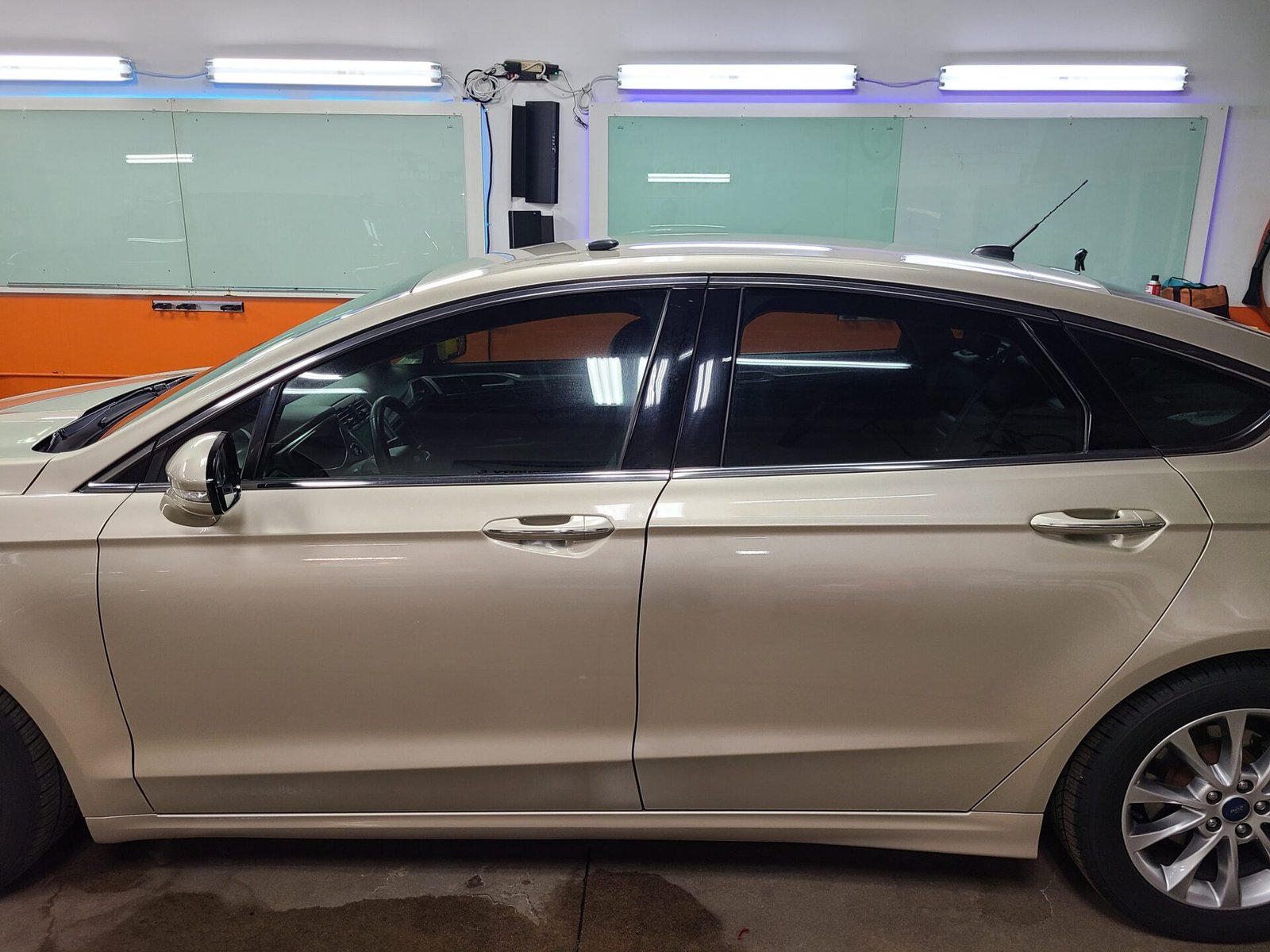
Looking for lasting paint protection near Minneapolis? Ceramic coating gives your car a deep shine and makes cleaning way easier. A professional ceramic coating shields your paint from UV, road grime, and light scratches, helping your car look newer for a long time. Here’s what ceramic coating actually does, how our local weather plays a role, and why it’s worth having a pro handle the job.
Picking the right shop really matters for how well the coating works and how much value you get. You’ll find info here about cost, maintenance, what to look for when booking, and some advice for comparing local providers. Not sure if you need a full ceramic package? Polarizauto in Ramsey brings local know-how and friendly service if you’re after a trusted nearby option.
Ceramic Coating
Ceramic coating puts a tough, clear layer over your car’s paint. It protects, keeps things glossy, and cuts down on cleaning time. It helps prevent UV fading, light scratches, bird droppings, and water spots, all while maintaining that shiny finish.
Dirt, bugs, and water have a harder time sticking to ceramic-coated paint, so you wash less and spend less time scrubbing. The slick surface helps prevent swirl marks from washing.
It blocks UV rays to keep paint from fading, and it shrugs off chemical stains from things like road salt and bird droppings. Most coatings boost gloss, making your paint look fresh for years.
A pro application really does make a difference. When done right, some ceramic coatings last several years. Polarizauto’s team preps the paint and applies coatings for longer-lasting results.
How It Works
Ceramic coatings use super-small inorganic particles—usually silicon dioxide (SiO2)—that bond right to your paint. After prepping the paint, the coating chemically bonds to the clear coat, forming a thin, rigid layer. This creates a hydrophobic (water-repelling) surface.
Water beads up and rolls off, taking dirt with it. The hard layer helps resist minor scratches and slows down chemical damage, so contaminants sit on the coating, not the paint. It’s not bulletproof: it’ll protect against light scratches and stains but can’t stop big rock chips or deep gouges.
Curing matters. Most coatings need hours (sometimes days) to fully bond and harden. If you skip proper prep—clay bar, polish, and a clean work area—the coating just won’t last as long.
Types of Ceramic Coatings
There are a few types, depending on chemistry and durability. Single-stage SiO2 coatings give you good water-beading and shine for 1–3 years. Multi-layer or pro-grade coatings often use fluoropolymers or higher SiO2 content, lasting 3–7+ years if you take care of them.
Spray-on ceramics are easy for DIY but only protect for up to a year. Pro-grade liquids need expert application and deliver the deepest gloss and longest protection.
Pick a coating that fits your goals: want easy care and low cost? Go for spray or consumer kits. Want max longevity and shine? Choose professional, multi-layer systems. Ask about warranty and maintenance so you’re not surprised later.
Why Go For Ceramic Coating?
Ceramic coating helps your paint survive Minnesota’s weather and roads, and it really does cut down on cleaning. Here’s how local climate, driving, and year-round care make ceramic coating a smart move.
Climate Considerations in Minneapolis
Minneapolis brings hot summers and brutal winters. Ceramic coating blocks UV rays, slowing down paint fading from the summer sun. You’ll notice your color and gloss sticking around longer than with just wax.
Winter means salt, slush, and grime. A ceramic layer helps repel salty water and makes it easier to wash off all that corrosive mess. It won’t prevent rust, but it does reduce direct contact with your paint.
With big temperature swings, paint and clearcoat expand and contract. Ceramic coatings add a tough protective layer that helps with small scratches and chemical wear from de-icing products. Having a pro apply it ensures it covers everything and cures right, even in our climate.
Local Driving Conditions
You’re probably driving highways, city streets, and maybe some gravel roads. Gravel chips and sand are common outside the city. Ceramic coating won’t stop chips, but it helps prevent micro-scratches and keeps chip edges cleaner for easy touch-ups.
Parking under trees or on the street? Bird droppings and sap can wreck paint fast. Ceramic coatings make these easier to remove and lower the risk of etching. Quick cleaning helps prevent stains.
Daily commutes mean more bugs and tar. Ceramic coatings make these stick less, so cleaning up is quicker and you’ll use less soap.
Protecting Your Vehicle Year-Round
Regular washes still matter, but ceramic coating means you can go longer between deep cleans. You’ll spend less time scrubbing and more time driving. Stick to a pH-balanced car shampoo and gentle mitts to keep the coating’s water-beading.
Plan on a pro inspection once a year to check for wear and reapply booster products if needed. A well-done ceramic coating can last years, and maintenance sprays help keep it working its best.
If you want help, Polarizauto in Ramsey offers pro installation tailored to local weather and driving habits. They’ll recommend the right service and maintenance schedule for your car.
Ceramic Coating Services in Minneapolis
When you want ceramic coating done right, you need a team that knows how to prep paint properly, apply coatings with precision, and guide you through simple care steps afterward. That is exactly what we focus on. At Polarizauto, every coating starts with a careful inspection, a clear explanation of your options, and the right prep to make sure the coating bonds the way it should.
Our Ceramic Coating Process
We specialize in paint protection, which means we never skip the steps that matter most. Before any coating goes on, our techs handle multi-stage paint correction to remove swirls, light scratches, and embedded contaminants. Smooth paint equals better shine and better coating durability, so we take the time to get it right.
Our coatings are applied in controlled conditions with proper lighting, clean surfaces, and the right temperature. We use high-grade ceramic products designed to improve gloss, block UV rays, and help your car stay cleaner between washes. We give you a clear breakdown of what we’ll do, how long each step takes, and what to expect during the curing period.
Certified Technicians You Can Trust
Our installers train on the actual products we use. That means they know cure times, panel prep requirements, and the correct application techniques. We follow inspection checklists at each stage to ensure even coverage and a smooth, consistent finish. You’ll get simple, practical maintenance guidance too—what shampoo to use, how to check your water-beading, and when to stop by for a quick inspection.
Mobile Ceramic Coating Options
If you prefer convenience, we offer select mobile services for coating prep and application in areas where conditions are appropriate. Our mobile team brings proper lighting, clean water, and dust-controlled tools to make sure you get the same quality you’d expect in our shop. After application, we schedule a follow-up inspection at our location or yours to confirm the coating cured exactly as it should.
What’s The Process?
Here’s what actually happens, from the first wash to the final cure. It covers the prep, how the coating goes on, and how long everything needs to dry so your finish lasts.
Surface Preparation Steps
Start with a full wash using pH-neutral shampoo to remove grime and dirt. Next, clay bar or clay mitt the paint to get rid of stuff the wash missed. That helps the coating bond right.
Check the paint under bright light for swirls, scratches, and water spots. If you spot defects, do paint correction—machine polish with the right pads and compounds—to smooth things out. After polishing, wipe each panel with isopropyl alcohol (IPA) to remove any leftover oils.
Mask off trim, rubber, and plastic to avoid staining. Work panel by panel so surfaces stay clean. Good prep is everything—skip it, and you’ll lose durability and shine.
Application Techniques
Use small foam or suede applicators for control. Dab the coating in thin, even dots on each panel, then spread in straight, overlapping lines—about 2–3 square feet at a time. Avoid circles to keep from streaking.
Watch for flash time—the point when the product starts to flash but is still workable. This depends on the product and temperature. If you see high spots or streaks, level them with a clean microfiber before the coating cures.
Work in a shaded, dust-free spot at a steady temp (ideally 60–75°F). Use one applicator and swap towels often to avoid cross-contamination. If you want pro help, Polarizauto follows these steps for consistent results.
Curing and Drying Times
Initial cure takes 12–24 hours. Keep the surface dry and dust-free during this time. Don’t wash the car or let it get rained on. Light contact, like closing doors, is fine—just don’t stack stuff on the paint.
Full chemical cure takes 1–7 days, depending on product and weather. Warm, dry air speeds things up; cold or humid air slows it down. During this time, skip automatic car washes and harsh cleaners.
After a week, the coating’s at full strength and water-beading. Stick to pH-neutral washes and a soft drying towel. If you see water spots or dust, use gentle detail sprays instead of harsh polishes.
Maintenance For Ceramic Coating
Stick to a simple care routine to keep the coating’s shine and durability. Regular washing, the right products, and avoiding common mistakes will keep your finish looking its best for years.
Washing and Care Tips
Wash your car every week or two—sometimes sooner if you’ve just driven through road salt or bug swarms. The two-bucket method works best: one bucket for pH-neutral car shampoo, the other with plain rinse water. This helps keep grit and scratches at bay.
Use a soft microfiber mitt, rinsing it often as you go. Dry with a clean microfiber towel or a blower, especially if you’ve got hard water and want to avoid those annoying water spots.
Skip automatic brush car washes; they’re rough on coatings. Go for touchless or hand washes instead. Bird droppings or tree sap? Take care of them quickly with a safe cleaner and rinse thoroughly. If you want an extra hydrophobic kick, reapply a spray sealant every few months. Just avoid abrasive polishes on coated surfaces—they’re not friends.
Recommended Products
Choose a pH-neutral shampoo labeled safe for ceramic coatings. Look for “no wax” or “no gloss enhancers” on the label to prevent buildup. Microfiber mitts around 400–900 GSM and drying towels sized for your car are ideal.
Keep a ceramic-safe quick detailer spray handy for spot cleaning and boosting beading between washes. For stubborn fallout, pick a gentle iron remover that’s coating-safe. Clay bars? Usually unnecessary. If you still have stuck-on grime after washing and iron removal, let a pro handle further decontamination.
If you’re not sure what to use, Polarizauto can suggest brands and the right timing for Minnesota’s climate and your coating’s warranty.
Common Mistakes to Avoid
Don’t reach for dish soap, household cleaners, or abrasive compounds—they strip protective layers and ruin gloss. Heavy polishes and rubbing compounds? Only a certified detailer should use them for paint correction.
Waxes and polymer glazes can streak and attract dust, so don’t overdo it. Always dry your car—air-drying leaves behind mineral spots, especially with hard water.
Not all products are safe; check labels for “safe on ceramic coatings.” If you’re unsure about a product or have a repair after rock chips, reach out to a pro before risking your warranty.
If you want your car to stay glossy, protected, and easier to clean through every Minnesota season, a professional ceramic coating is one of the smartest upgrades you can make. Once you understand how the process works, how long it lasts, and why proper prep matters, choosing the right team becomes simple.
When you’re ready for a coating that actually holds up to Minneapolis weather, Polarizauto is here to help. We’ll walk you through your options, prep your paint the right way, and make sure you drive away with long-term shine and protection you can trust.
Ready to protect your vehicle?
Call or message us to book your ceramic coating appointment, ask questions, or stop by for a quick paint inspection. Your car deserves a finish that lasts.
Frequently Asked Questions
Here’s what you need to know: what ceramic coating does, where to find good service in Minneapolis, how long coatings last, shop vs. mobile installs, local pricing, and simple care steps.
What are the benefits of getting a ceramic coating?
Ceramic coating keeps dirt, bird droppings, and water from sticking to your paint.
It gives a deeper shine and helps guard against light scratches and sun fading.
You’ll spend less time washing and more time just enjoying your car.
You won’t need to wax nearly as often, either.
Where can I find the best value ceramic coating services nearby?
Look for shops with certifications, before-and-after photos, and clear warranty terms.
A local shop in Ramsey or near Minneapolis that knows Minnesota’s weather and road salt is your best bet.
Polarizauto offers ceramic coating and detailing—read reviews and ask what prep work is included.
Compare quotes that include paint correction, prep, and warranty to find real value.
How long does a professional ceramic coating typically last?
Most professional ceramic coatings last 2–5 years.
With top-tier products and careful prep, some last even longer.
How long it lasts depends on the product, prep quality, and how you care for the car.
Ask your installer what to expect for their specific product.
Can I get ceramic coating applied at my home or is it a shop-only service?
Many installers offer mobile service, but full paint correction and proper curing usually turn out better in a shop.
Shops control dust and lighting, so the finish is more consistent.
If you go mobile, double-check that the installer can do the same prep and warranty as in-shop.
Small jobs might work at home, but full coatings are best done in a shop.
What is the average cost for a ceramic coating treatment in the area?
Basic ceramic coatings start at a few hundred bucks for small cars with little prep.
A full pro job with paint correction and high-end product can run $800 to $2,000 or more.
Ask for quotes that break out paint correction, coating layers, and warranty.
Paying for good prep up front usually pays off—your car looks better and the coating lasts longer.
Are there any maintenance tips for preserving the life of my ceramic coating?
Try using a pH-neutral soap and a soft wash mitt when you wash your car—harsh stuff can wear down the coating faster than you’d think.
I’d steer clear of automatic brush washes; they tend to leave little scratches that add up before you know it.
After washing, grab a clean microfiber towel to dry things off, and don’t let stuff like tar or tree sap sit for long—clean it off as soon as you spot it.
It’s a good idea to get a light maintenance detail every 6 to 12 months, and if your installer gave you any advice about recoating or check-ups, probably worth sticking to that.