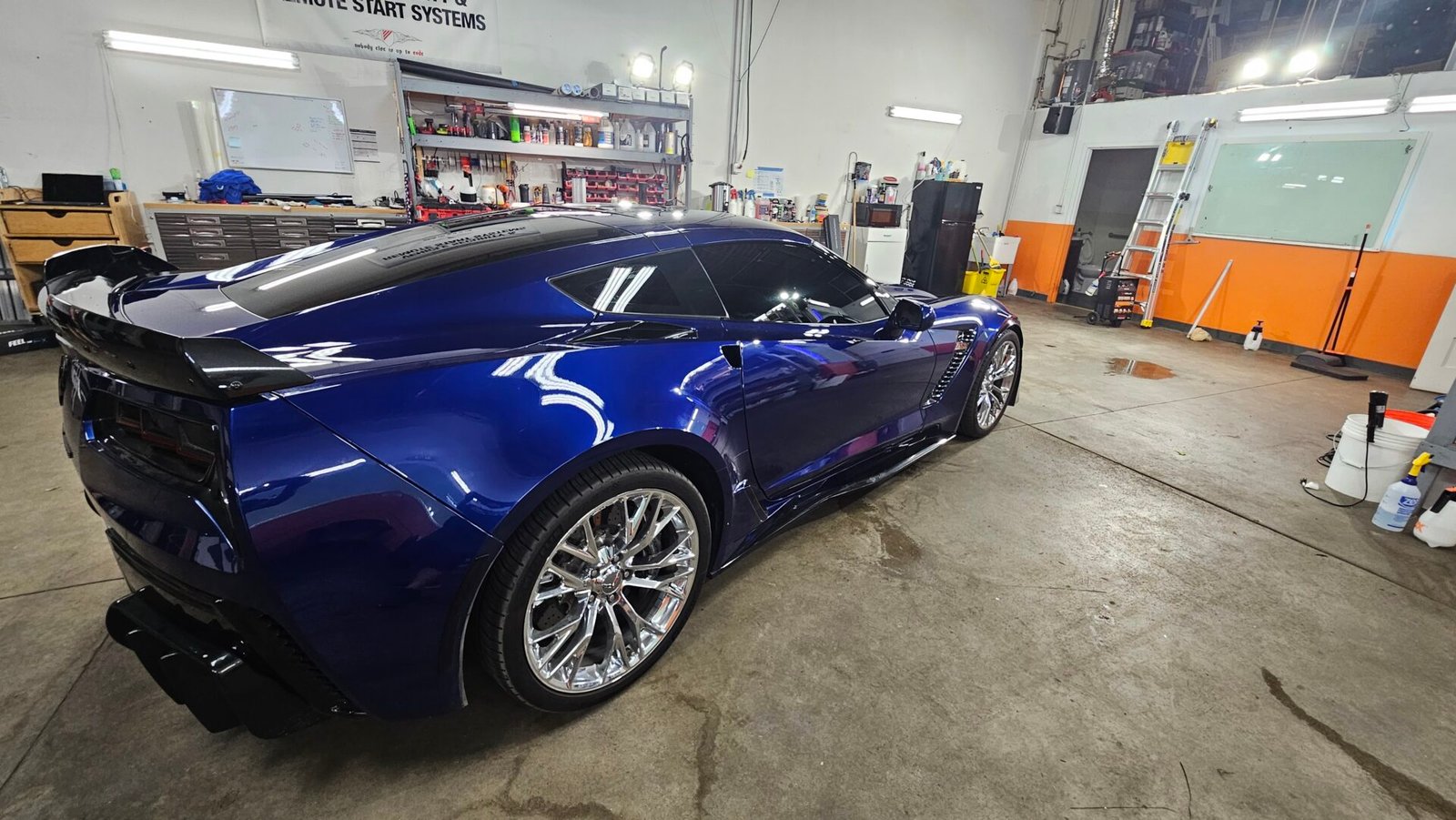
Carbon ceramic window tint is one of the most advanced options for improving your car’s comfort, protection, and style in Minnesota. It combines the durability of carbon film with the superior heat rejection of ceramic technology, giving you powerful UV defense and a sleek, modern finish.
Polarizauto installs premium carbon ceramic tints that block heat, reduce glare, and protect your interior for years. This professional-grade tint also prevents signal interference, so your GPS and radio work flawlessly while your car stays cooler and more comfortable.
In this guide, you’ll learn how carbon ceramic window tint works, what makes it different from other tints, and how to choose the best option for your vehicle’s performance, budget, and style.
What Is Carbon Ceramic Window Tint?
Carbon ceramic window tint combines the strengths of both carbon and ceramic tints to provide enhanced heat rejection, UV protection, and durability for your vehicle. It uses advanced materials and technology designed to improve comfort and reduce glare without compromising visibility or appearance.
Material Composition and Technology
Carbon ceramic window tint blends carbon particles with ceramic compounds. Carbon particles help block infrared heat while maintaining a natural look with no metallic interference.
Ceramic components add durability and improve heat rejection by using non-metallic nano-ceramic technology. This combination means the tint resists fading and discoloration better than traditional dyed or metallic films. It also avoids signal interference, unlike metallic tints.
The technology allows for strong UV ray blocking and superior heat control, keeping your car cooler under intense sun exposure. This makes it a popular choice for drivers in hot climates or with high sun exposure.
Fundamental Benefits for Vehicles
Using carbon ceramic window tint on your car offers several key benefits:
- Heat reduction: It blocks a large percentage of infrared heat to keep your vehicle cooler.
- UV protection: It filters out up to 99% of harmful UV rays, protecting both you and your interior.
- Glare reduction: Improves visibility by cutting glare from sunlight and headlights.
- Durability: Resists fading, bubbling, and peeling for years with proper installation.
- No signal interference: Unlike metallic tints, it won’t disrupt GPS, radio, or phone signals.
These advantages help maintain your car’s interior condition while enhancing driving comfort. A professional installation ensures you get the full performance and lifespan benefits.
Types of Window Tints
Window tints come in several varieties, each with different materials and price points:
- Dyed Tint: Cheapest, uses dye to absorb light but offers limited heat rejection.
- Metallic Tint: Reflects heat well but can cause signal interference and may fade over time.
- Carbon Tint: Uses carbon particles for better heat rejection without metallic interference; has a matte finish.
- Ceramic Tint: Premium option with nano-ceramic technology, excels in heat and UV rejection, clarity, and durability.
- Carbon Ceramic Tint: Combines carbon and ceramic benefits, balancing cost and performance for superior comfort and protection.
Choosing carbon ceramic tint means investing in advanced technology that offers long-term value, especially if you prioritize heat control and UV safety without compromising vehicle appearance. For expert advice and professional tinting services near Minneapolis and Anoka County, an expert can guide you to the right choice for your needs.
Performance and Protective Features
Carbon ceramic window tint combines advanced materials to protect your vehicle while improving comfort. It excels at blocking heat, shielding against harmful UV rays, and reducing glare—key factors for a better driving experience and preserving your car’s interior.
Heat Rejection and Infrared Blocking
This window tint uses ceramic particles fused with carbon to block a significant amount of infrared radiation, which is responsible for most of the heat your car absorbs. Because it targets infrared heat specifically, you’ll notice cooler cabin temperatures even when parked under the sun.
You can expect up to 50-60% heat rejection from carbon ceramic tints, a major step up from traditional dyed films. This reduces the need for air conditioning, which can also improve fuel efficiency over time.
Unlike metallic tints, this option won’t interfere with electronic signals like GPS or radio.
UV Protection and Interior Preservation
Carbon ceramic tint blocks about 99% of harmful UVA and UVB rays. This level of UV protection prevents your skin from harmful exposure while driving and protects your vehicle’s interior from fading and cracking.
Over time, sunlight can cause leather, plastics, and fabrics inside your car to deteriorate. Using carbon ceramic tint helps maintain your dashboard, seats, and trim looking like new longer by minimizing UV damage and heat-related wear.
Professional installation ensures your tint performs effectively and lasts as intended.
Glare Reduction in Daily Driving
Glare from direct sunlight or reflective surfaces can cause eye strain and reduce visibility. Carbon ceramic tint naturally reduces glare without darkening your windows excessively, maintaining a clear and comfortable view.
Its matte finish offers a sophisticated look while helping to cut glare on bright days. This helps you stay focused and reduces fatigue during long drives or daily commutes. The tint also resists fading, so glare reduction remains consistent throughout its lifespan, contributing to safer driving conditions.
Appearance and Visibility Considerations
When choosing a carbon ceramic window tint, it’s important to understand how it affects what you see through your windows and how your car looks from the outside. Factors like how much light passes through, whether the tint affects your electronic signals, and the finish of the tint all play key roles in this experience.
Visible Light Transmission (VLT) Explained
Visible Light Transmission (VLT) measures how much light passes through your tinted windows. The lower the VLT percentage, the darker the tint, and the less light you see inside the vehicle. Carbon ceramic tints usually offer a range of VLT options, allowing you to balance privacy and visibility.
A higher VLT means better clarity and less obstruction during daylight and nighttime driving. If you prefer clear visibility with UV and heat protection, a carbon ceramic tint in the 40-60% VLT range is often ideal.
This lets in enough light for safety while still reducing glare and protecting your interior from sun damage.
Signal Interference and Electronic Devices
One concern with window tints is signal interference with GPS, mobile devices, or radio reception. Unlike traditional metallic tints, carbon ceramic tints do not contain metal particles, which means they do not block or weaken wireless signals.
This non-metallic composition ensures your phone calls, navigation, and streaming services work without interruption. If you rely on in-car tech, carbon ceramic tints provide excellent performance without creating dead zones or static issues, giving you clear, uninterrupted connectivity.
Matte Finish and Aesthetic Options
Carbon ceramic window tint provides a distinct matte finish that differs from the glossy sheen of some other tint types. This matte look reduces glare from headlights and streetlights at night and helps maintain a sleek, modern appearance without compromising your vehicle’s style.
You can expect a consistent, smooth finish that enhances your car’s look without appearing overly dark or reflective. If you want a down-to-earth, elegant look that complements both sporty and classic vehicles, this type of tint fits well.
A professional installer can help you select the tint shade and finish that best matches your style and needs.
Durability and Longevity
When choosing a window tint for your vehicle, durability and lifespan are key to maintaining both appearance and protection. You want a tint that holds up against fading and resists daily wear without losing effectiveness. Carbon ceramic window tints balance these needs by offering strong long-term performance.
Fade Resistance Over Time
Carbon ceramic tints excel in resisting fade caused by constant sun exposure. Unlike dyed or metalized films, these tints contain stable pigments and ceramic nanoparticles that block UV rays effectively. This reduces discoloration and keeps the tint looking newer for years.
You can expect carbon ceramic tints to maintain their clarity and color retention significantly longer than standard carbon tints. This is especially important in sunny climates or if your car spends a lot of time outdoors.
The technology behind ceramic tinting also filters heat more efficiently, protecting both the tint and your interior from sun damage.
Scratch and Damage Prevention
Scratch resistance is another strength of carbon ceramic tints. The ceramic particles provide a tougher coating that better withstands everyday abrasions, such as cleaning or minor contact with objects inside the car. This durability helps preserve the tint’s smooth finish and overall appearance.
While no window tint is fully scratch-proof, carbon ceramic films are less prone to bubbling, peeling, or cracking compared to cheaper options. You’ll find the tint easier to clean and maintain without worrying about permanent surface damage.
For professional installation with careful handling, a trusted expert ensures your tint is applied to maximize durability and protection.
Cost, Value, and Practical Usage
Understanding the balance between upfront costs and long-term benefits is key to choosing the right window tint. Your climate, daily habits, and installation choices will impact the value you get from ceramic or carbon tint options.
Minnesota Window Tint Laws and Compliance Tips
Minnesota has specific legal limits for window tint darkness, measured by Visible Light Transmission (VLT). According to CBS News, the State of Minnesota determines front side windows must allow at least 50% of light in, while rear windows can be darker.
The windshield can only have a non-reflective tint on the top few inches. Checking these requirements before tinting helps you avoid fines and ensures compliance.
Pricing Comparisons and Long-Term Investment
Ceramic tints typically cost more than carbon tints due to advanced technology that boosts heat rejection and UV protection. While carbon tint offers solid performance at a lower price point, ceramic tint often delivers better durability and clarity over time.
Think of the initial expense as an investment. Ceramic tints resist fading and discoloration longer, reducing the need for early replacement. Carbon tints provide good protection but may degrade faster under harsh sunlight.
Choosing a high-quality tint can also affect your car’s interior longevity, saving you money on upholstery repairs or dashboard fading.
Selecting Tint Based on Climate and Lifestyle
Where you live and how you drive shape which tint fits your needs best. If you spend a lot of time in sunny, hot areas, ceramic tint offers superior heat rejection, which keeps your cabin cooler and protects skin from UV rays.
Carbon tint works well if you want a balance between cost and comfort, especially in milder climates. It reduces glare and blocks UV rays, but with slightly less heat rejection than ceramic.
Your lifestyle matters too. If you prioritize clear visibility and reduced glare for long drives, ceramic tint’s superior clarity may benefit you. For everyday city driving and moderate sun exposure, carbon tint often suffices.
Professional Installation and Legal Aspects
Proper installation maximizes tint benefits and prevents common issues like bubbling or peeling. Professional installers ensure your ceramic or carbon tint is applied evenly and meets manufacturer standards.
Legal restrictions on tint darkness vary by state. Minnesota, for example, regulates visible light transmission levels for front and rear windows. Knowing these rules beforehand avoids fines or forced removal.
Always verify that your chosen tint complies with local laws, especially if tint darkness is important to you. A professional installer will help you pick a legal and effective option tailored to your vehicle.
Enhance Comfort and Protection With Carbon Ceramic Tint
Carbon ceramic window tint offers a powerful combination of style, protection, and performance. With its advanced material blend, it effectively blocks heat, reduces glare, and shields your interior from harmful UV rays for years of reliable comfort.
At Polarizauto, we provide precision tinting services. They’re designed to maximize performance and give your vehicle a clean, modern appearance that stands the test of time.
Ready to upgrade your car with premium protection? Schedule your carbon ceramic window tint installation and experience the difference expert craftsmanship makes.
Frequently Asked Questions
Carbon ceramic window tint combines advanced materials to offer improved heat rejection, UV protection, and durability. Understanding its benefits, costs, and differences from other tints can help you make the right choice for your vehicle.
What are the advantages and disadvantages of carbon ceramic window tint?
Carbon ceramic tint blocks a high percentage of heat and UV rays, helping keep your car cooler while protecting interior surfaces. It also resists fading and offers better durability compared to standard tints.
On the downside, it tends to cost more upfront than regular carbon or dyed tints. Installation must be done carefully to avoid bubbles or peeling.
How does carbon ceramic window tint compare to traditional ceramic tint?
Carbon ceramic tint blends carbon particles with ceramic compounds. This gives it similar heat and UV rejection benefits to pure ceramic tint, but often at a slightly lower price point.
While pure ceramic tint excels in clarity and heat reduction, carbon ceramic tint provides solid performance with enhanced durability. For some, it’s a balanced alternative between basic carbon and premium ceramic tints.
How much does it typically cost to install carbon ceramic window tint?
Prices vary by vehicle size and number of windows, but expect to pay between $250 and $500 for a full set on most cars. Premium versions and professional installation in areas like Ramsey, MN, may push costs slightly higher.
Your best bet is to get a detailed quote from trusted providers who specialize in quality tint application.
Where can I find professional installation services for carbon ceramic window tint?
You can rely on local automotive care centers such as Polarizauto in Ramsey, MN. These experts ensure a clean, precise application with warranties to back their work.
Always choose installers who use high-quality films and have solid experience with carbon ceramic tints to get the most out of your investment.
What is the lifespan of carbon ceramic window tint compared to other types of tint?
Carbon ceramic tints generally last around 7 to 10 years with proper care. This is longer than dyed or basic carbon tints, which may fade or discolor in 3 to 5 years.
Ceramic tints can sometimes last even longer, but carbon ceramic offers a good compromise between cost and longevity.
Are there any performance differences between carbon film tint and carbon ceramic window tint?
Carbon ceramic tint offers superior heat rejection and UV protection compared to traditional carbon film. It typically provides clearer visibility and better resistance to fading.
If long-term durability and better temperature control matter to you, carbon ceramic film is a more effective option than simple carbon film. More details on this comparison are available at Carbon vs. Ceramic Tint: Advantages of Auto Window Tinting.