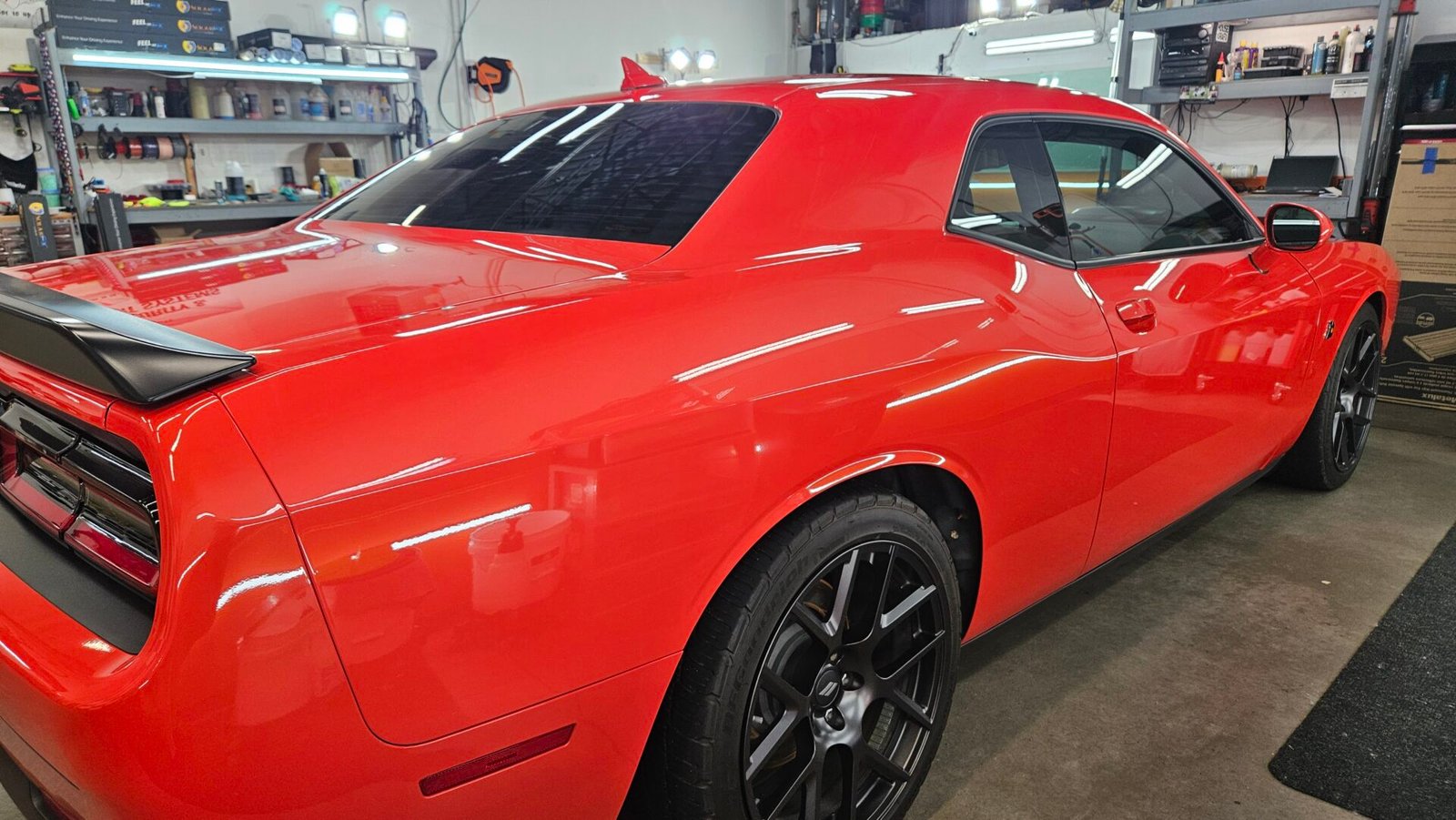
Car window tint is more than a style upgrade — it’s an easy, effective way to improve your driving comfort and protect your car’s interior. The right tint keeps your cabin cooler, reduces glare, and shields you from harmful UV rays, all while giving your vehicle a sleek, refined look.
At Polarizauto, every project begins with understanding what matters most to the driver — comfort, clarity, or compliance. Our team uses advanced tinting films designed to handle Minnesota’s heat, glare, and winter sun while maintaining clear, balanced visibility year-round.
In this guide, you’ll learn how window tint works, what benefits it brings, and how to choose the right type and installation method for your needs — so your car stays cool, safe, and stylish year-round.
What Is Car Window Tint?
Car window tint is a thin film applied to your vehicle’s windows that offers protection from the sun’s heat and harmful rays. It also helps keep your car cooler, provides privacy, and gives your vehicle a sleek look. Understanding what window tint is and how it works can help you decide the right option for your car and your needs.
Definition and Purpose
Car window tint is a special film that sticks to the inside of your car’s windows. Its main job is to block or reduce the amount of sunlight and heat that enters your vehicle. This helps keep the interior cooler, especially on hot summer days.
Tinting also protects you and your passengers by blocking harmful UV rays from the sun. These rays can cause skin damage and fade your car’s interior over time. A properly tinted window adds privacy by making it harder for people outside to see inside your vehicle. Some people choose tint for its appearance, giving their car a more polished or sporty look.
Types of Car Window Tint
There are different kinds of window tint films you can choose from. The main types include:
- Dyed tint: This is the most basic and affordable option. It uses dye to absorb heat, but it can fade over time.
- Metalized tint: This has tiny metal particles that block sunlight and heat better. It’s stronger and lasts longer, but can interfere with electronics.
- Ceramic tint: A newer and premium option. It blocks heat and UV rays very well without affecting your phone or radio signals. It also lasts longer and keeps your car cooler.
- Carbon tint: This offers good heat rejection and a matte finish that resists fading.
You don’t need a very dark tint to get protection. Even light-tinted films can block a lot of UV rays and heat, depending on what you want.
How Car Window Tint Works
Window tint reflects and absorbs sunlight before it can pass through the glass. The film blocks out most of the sun’s infrared heat rays, which are the main cause of the heat inside your car.
It also filters out UV rays that can harm your skin and damage your car’s materials. By reducing heat and glare, the film helps your car’s air conditioner run less, saving fuel and improving comfort.
Your choice of tint shade affects how much heat and light get through, so consider what fits your comfort and style best.
Benefits of Car Window Tint
Car window tint offers several practical advantages that improve your comfort and protect your vehicle. It helps block harmful rays, keeps your car cooler, and reduces harsh glare that can distract you while driving. These benefits make your time behind the wheel safer and more comfortable.
How Tint Keeps Your Car Cooler and Protects Its Interior
High-quality car window tint can significantly cut heat buildup inside your vehicle by blocking infrared and ultraviolet rays. According to Energy.gov, window films reduce solar heat gain and UV exposure, helping your cabin stay cooler and your interior last longer.
UV Protection
Window tint cuts down the ultraviolet (UV) rays that enter your car. These rays can cause skin damage and increase your risk of sunburn on long drives. By blocking up to 99% of UV rays, tint helps protect your skin and reduces fading or cracking of your car’s interior parts like the dashboard and seats.
This protection is not just about comfort—it helps keep the inside of your car looking newer for longer.
Heat Reduction
Tinted windows reflect a large part of the sun’s heat before it reaches your car’s interior. This means your car stays cooler on hot days, so you don’t have to rely as much on air conditioning. That can improve fuel efficiency and lower your energy use.
Even in the heat of summer, tinting keeps your car comfortable by stopping heat from building up quickly. This feature is especially helpful during afternoon drives or in places with strong sun exposure.
Glare Minimization
Strong sunlight can create glare on your windshield and side windows. This glare makes it hard to see, causing eye strain and increasing the risk of accidents. Window tint cuts glare by filtering harsh light, making it easier to focus on the road.
Tint can be especially useful when driving at sunrise or sunset, or in snowy conditions common in Minnesota winters. It also helps reduce headaches and tired eyes from squinting. Choosing the right tint level is important to balance privacy, visibility, and comfort while driving.
Car Window Tint Laws and Regulations
Knowing the rules for car window tinting helps you avoid fines and keeps your vehicle safe. Different states have limits on how dark your tint can be and where you can place it on your car. Following these rules also protects your privacy while making sure you can see clearly when driving.
Legal Tint Limits
Most states set rules based on how much light your window tint allows through, called Visible Light Transmission (VLT). For example, the front side windows usually must let in at least 35% to 50% of light. Rear windows and the back windshield generally have fewer restrictions and can be darker.
Here’s a simple breakdown:
| Window | Common VLT Limit Range |
| Front side windows | 35% – 50% light allowed |
| Rear side windows | Often darker or no limit |
| Back windshield | Usually darker allowed |
The goal is to keep enough visibility so you can see at night, and law enforcement can see inside if needed.
State-Specific Rules
Laws about window tint vary a lot from state to state. Minnesota allows a darker tint on rear windows but keeps front side windows lighter for safety. Some states also regulate reflectivity, meaning tints can’t be too shiny or mirror-like.
Keep in mind:
- Some states require a medical exemption to have a darker tint on front windows.
- Certain colors or films might not be legal in your state.
- Laws may specify limits on windshield tint, often allowing only a small tinted band at the top.
Before tinting your car, check your state’s specific laws or ask your local tinting expert to ensure you stay legal.
Consequences of Non-Compliance
If your tint is darker than allowed or placed where it shouldn’t be, you could face fines or, in some cases, be required to remove the tint. Police may also pull you over if your tint prevents them from seeing inside your vehicle.
- Traffic tickets and fines—amounts vary by state and severity.
- Failed vehicle inspection—you may need to fix your tint to pass.
- Forced tint removal—costly and time-consuming.
Following tint laws keeps you safe and avoids these hassles.
Choosing the Right Car Window Tint
Picking the right window tint means looking at what materials the film is made of, deciding on the color and shade that fits your needs, and weighing whether to have it professionally installed or do it yourself. These decisions affect how well your tint works for heat and UV protection, privacy, and looks.
Film Materials
Window tint films mainly come in three types: dyed, metalized, and ceramic.
- Dyed films darken your windows and block some sunlight. They are usually the most affordable but can fade over time.
- Metalized films have tiny metal particles that reflect heat and UV rays better than dyed films, but they might interfere with electronic signals like GPS or cell phones.
- Ceramic films offer the best heat and UV protection without blocking signals. They last longer and keep your car cooler, though they cost more upfront.
Choosing the right material depends on what you want most—cost, signal clarity, or strong heat protection.
Color and Shade Options
The color and darkness of your tint affect both privacy and how much heat and UV rays get blocked.
- Darker shades offer more privacy and better heat rejection but may be restricted by local laws.
- Lighter tints let in more light but still reduce glare and UV exposure.
- Common colors include black, gray, and sometimes bronze or blue, with black and gray being the most popular for a clean look.
Check your area’s tinting rules to avoid fines.
Professional vs. DIY Tint
You can tint your windows yourself or pay a professional.
- DIY kits are cheaper and useful if you’re good with careful, slow work. However, mistakes like bubbles or uneven film are common.
- Professional tinting ensures a smooth, precise application. Experts use high-quality films and tools. This also usually means a warranty and longer-lasting results.
If you want your tint done right the first time with less hassle, professional installation is the safer bet.
Installation Process for Car Window Tint
Getting your car windows tinted is more than just sticking a film on the glass. The process involves careful cleaning, exact application, and letting the tint settle properly. Each step matters to make sure your tint looks great and lasts a long time.
Preparation and Cleaning
Before the tint goes on, all your car’s windows need to be spotless. Dirt, dust, or oils can cause bubbles and wrinkles under the film. Professional installers use special glass cleaners and lint-free cloths to remove every trace of dirt.
They also check the windows for damage, like chips or cracks, because tint won’t stick well to damaged glass. Sometimes, masks or plastic sheets are used to protect parts of the car from water and cleaning solutions during the prep stage.
Application Techniques
Once the windows are clean, the tint film is carefully cut to fit each window’s shape. Some installers use templates, while others cut the film right on the window for a precise fit. The film has an adhesive side that gets sprayed with a solution to help you position it easily.
After placing the film on the window, the installer smooths it out using special tools called squeegees. This pushes out air bubbles and excess liquid. It’s important that the film is flat and wrinkle-free to avoid peeling or fading later.
Curing and Aftercare
After applying the tint, it needs time to dry and stick firmly to the glass. This is called curing. It usually takes a few days, so avoid rolling the windows down or cleaning the glass during this period.
Your installer will give you specific care tips, like waiting at least a week before washing your car windows or using strong chemicals. Proper aftercare helps the tint film bond fully and keeps it looking smooth without bubbles or edges lifting.
Caring for Tinted Car Windows
Taking care of tinted windows keeps them looking fresh and protects them from damage. Cleaning them properly and avoiding common mistakes will help your window tint last longer and keep your car comfortable.
Cleaning Tips
Use a soft, non-abrasive cloth or microfiber towel to clean your tinted windows. Avoid paper towels or rough materials that can scratch the film. Pick a mild, ammonia-free cleaner made for tinted glass. Ammonia-based cleaners can cause the tint to fade or peel.
Spray the cleaner on the cloth, not directly on the window. Wipe gently in a circular motion to remove dirt and smudges. Dry the window with a clean towel to prevent streaks. Cleaning regularly with the right products keeps your tint clear and easy to see through.
Avoiding Damage
Do not roll down your windows for a few days after the tint is installed. This helps the adhesive set and prevents bubbling. Avoid sharp objects or rough scrubbing, as even small scratches can damage the film.
Never use razor blades or harsh chemicals, as they can cause permanent damage. If you notice bubbling, peeling, or fading, contact professionals. They can fix issues and help your tint last as long as possible.
Potential Issues With Car Window Tint
Window tinting offers many benefits, but some problems can occur. These include mistakes during installation, the film peeling or bubbling, and changes in tint color over time. Knowing these issues helps you avoid common problems and keeps your tint looking good longer.
Common Installation Mistakes
Poor installation often causes trouble with window tint. If the film isn’t applied carefully, dust, air bubbles, or wrinkles can get trapped under the tint. These flaws don’t just look bad—they reduce how well the tint blocks heat and UV rays.
Installers sometimes cut the film incorrectly or don’t clean the window properly before applying it, which can cause the tint to peel sooner than it should. Proper tinting should look smooth and stay put for years.
Peeling and Bubbling
Peeling happens when the adhesive on the tint film starts to fail, often due to cheap materials or incorrect application. Bubbling shows up as small air pockets trapped under the film, usually from dirt or moisture during installation.
Both peeling and bubbling make your car windows look worn out and reduce the tint’s ability to block heat and UV rays. If you notice peeling or bubbling early, act fast. Many window tint providers offer warranties that cover these issues if they result from poor installation or bad film.
Discoloration Over Time
Tint films can fade or change colors as they age, especially with cheaper tints or cars exposed to strong sunlight. You might notice the tint turning purple, yellow, or peeling in spots.
Heat and UV damage break down the film’s pigments. Discoloration not only looks bad but also reduces heat and UV protection.
To avoid this, select a high-quality tint that comes with a lifetime warranty. Regular cleaning with gentle products also keeps your tint looking clear and fresh.
Removing or Replacing Car Window Tint
Sometimes, you need to remove or replace your car’s window tint. This could be because the tint looks old, is damaged, or you want a different style or better protection. Knowing the signs that it’s time to remove tint and how to do it helps keep your car looking good and comfortable.
Signs It’s Time to Remove Tint
Consider removing your window tint if you see peeling, bubbling, or cracking. These problems make your windows look messy and hurt visibility. When tint fades or changes color, it also loses its ability to block heat and UV rays.
If your tint doesn’t meet local laws anymore, it’s time to replace it. Regulations can change, and the wrong tint might result in tickets. Upgrading to a better tint with stronger UV protection or a different look is another reason to remove the old tint.
Tint Removal Methods
Professional removal is often the easiest way to take off old tint. Experts use special heat tools to soften the adhesive and gently peel off the film without damaging your windows.
If you want to try it yourself, use a steam or a heat gun to loosen the glue, then carefully scrape the film with a plastic tool. Clean any leftover adhesive with a special remover or soapy water. Avoid sharp metal tools, as they can scratch the glass. If the tint is very old or tough to remove, let professionals handle it to avoid damage.
Cost Considerations for Car Window Tint
Cost is an important factor when choosing window tint for your car. Prices vary depending on the type of tint film and the size of your vehicle. Basic tints cost less but may not block as much heat or UV light.
Premium films like ceramic or carbon tints cost more but offer better heat rejection and longer-lasting protection. These options help keep your car cooler and protect your interior from sun damage.
Here’s a simple breakdown of what affects cost:
- Type of tint: Standard, ceramic, carbon
- Number of windows: More windows mean a higher cost
- Vehicle size: Larger vehicles require more material
- Professional installation: Improves quality and durability
Professional installation ensures the tint lasts without bubbling or peeling and often comes with a transferable lifetime warranty, adding value if you sell your car later.
While the upfront cost may be higher, professional tinting can save money over time by reducing air conditioning use and protecting your car’s interior from fading. Getting a quote from a local expert helps you find the right balance between price and performance for your vehicle.
Environmental Impact of Car Window Tint
Adding window tint to your car can help reduce energy use. By cutting down heat inside your vehicle, tint lowers the need for air conditioning. This means your car uses less fuel, saving energy and reducing pollution.
Tint also blocks harmful UV rays, protecting your skin and preventing damage to your car’s interior. Keeping your dashboard and seats from fading means you won’t need to replace or repair parts as often, which reduces waste.
Some window tints use special ceramic or carbon films. These options are more eco-friendly because they last longer and don’t fade quickly. Window tint mainly helps with energy savings during hot weather, and while its overall environmental impact is small, every bit helps. Choosing quality tint and professional installation gives you the best results with less waste.
Popular Trends in Car Window Tint
More drivers now choose window tint for both style and comfort. Popular tints block a lot of heat, helping your car stay cooler during sunny days. This reduces stress on your car’s air conditioning and makes your ride more pleasant.
Many people like tints that offer extra privacy while still allowing clear visibility. A good tint gives your car a sleek, modern look and keeps you comfortable on the road.
Ceramic window tint is another trend. It blocks more heat and UV rays than regular tints and doesn’t interfere with devices like GPS or cell phones, so you stay connected while driving.
Here’s a quick look at popular tint types:
| Tint Type | Heat Blocking | Privacy | Electronic Friendly | Look |
| Dyed | Moderate | Good | Yes | Glossy or Matte |
| Metalized | High | Good | Can interfere | Reflective |
| Ceramic | Very High | Great | Yes | Clear or Slightly Dark |
Your choice depends on what matters most—cooling power, privacy, or signal safety. Professional tinting ensures your tint goes on smoothly and lasts longer without bubbling or peeling, keeping your car looking great for years.
Upgrade Comfort, Style, and Safety With Expert Tinting
Car window tinting gives your vehicle more than a stylish edge — it brings lasting protection, privacy, and comfort to every drive. From reducing glare to blocking heat and UV rays, tinting improves your car’s look and livability all year long.
At Polarizauto, our certified installers use high-quality materials and precision methods to deliver smooth, durable finishes that meet local laws and exceed expectations. Whether you’re focused on comfort, performance, or protection, we’ll make sure your tint fits your car — and your lifestyle.
Make your next drive cooler and clearer — book your professional tint service today and see the difference expert installation makes.
Frequently Asked Questions
Knowing the rules, costs, and types of window tint helps you make the best choice for your car. You’ll also find out where to get trusted services and if there are special exceptions for medical needs.
What are the legal limits for car window tint in my area?
Tint laws vary by state and sometimes by city. Usually, front side windows must allow more light in than rear side and back windows. Check your local rules to avoid fines or having to remove tint.
How much is the average cost to tint car windows?
The price depends on the type of film and the number of windows. Basic tinting usually costs around $100 to $300. High-quality films like ceramic can cost more but offer better heat and UV protection.
Where can I find professional window tinting services close to me?
If you’re near Ramsey or Albertville, MN, you can find expert tinting services that use high-quality films and handle all types of vehicles, making the process easy and reliable.
What types of window tint film are available?
You can choose from ceramic, carbon, and decorative films. Ceramic and carbon films block heat and UV rays well, while decorative films add style. Each option helps keep your car cooler and protects the interior.
Can certain medical conditions qualify for a window tint exemption?
Yes, some states allow medical exemptions. If you have a condition that makes you sensitive to sunlight, you may qualify for a darker tint on your car. Check local laws and provide a doctor’s note if needed.
What is the maximum allowable darkness for tinted windows in Oregon?
Oregon law requires the front side windows to let in at least 35% of light. You can use a darker tint on the rear windows. These limits help maintain safety and visibility while driving.