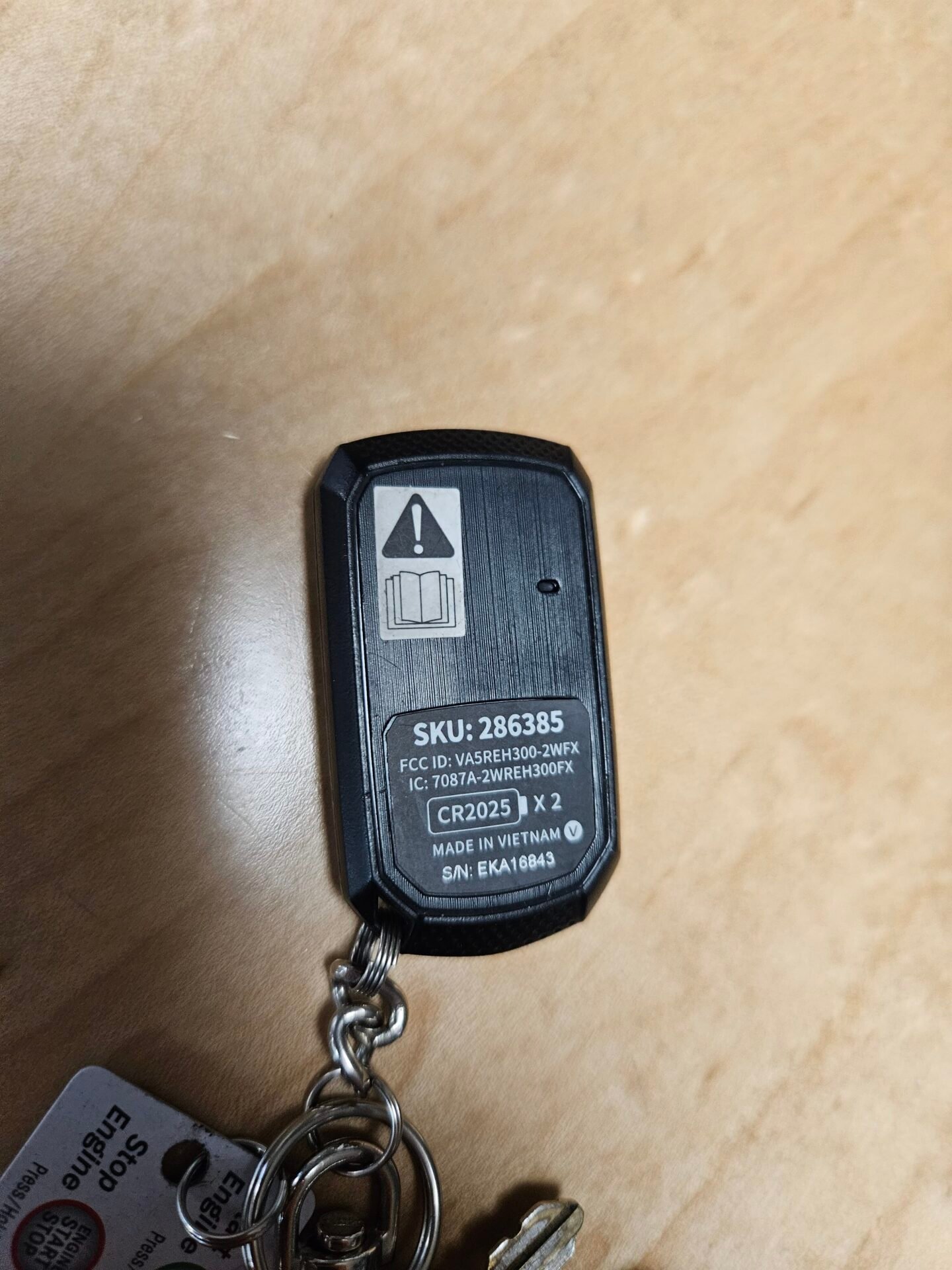
A car remote starter lets you preheat or cool your vehicle before stepping outside, turning weather extremes into daily comfort. These systems use a fob or smartphone to start your engine and climate control remotely, saving time while protecting your car from harsh temperatures.
At Polarizauto, we install premium-grade remote starter systems that blend reliability, convenience, and seamless integration. Each setup is tailored to your vehicle and backed by precise wiring and calibration for smooth, safe operation every season.
This article breaks down how remote starters work, which features matter most, installation and compatibility tips, and what benefits to expect from a professionally installed system.
What Is a Car Remote Starter?
A car remote starter lets you start your engine from outside the vehicle using a key fob or a smartphone. It saves time and makes the cabin comfortable before you get in, and it can link to locks and security features.
How Remote Start Works
A remote start system sends a radio or cellular signal to a control module installed in your car. The module imitates the steps your key makes when you start the engine: it powers the ignition, engages the starter, and runs engine systems for a set time.
Most systems include a transmitter (key fob or app), a receiver/control module, and wiring that ties into ignition and engine circuits.
Safety checks prevent the engine from starting if the car is in gear, the hood is open, or a safety sensor detects a problem. Many systems also shut off automatically after a preset runtime or if you unlock the car and get in.
Verified Safety Standards for Remote Starter Systems
Modern remote starters follow strict safety rules to prevent accidental starts or electrical faults. According to the National Highway Traffic Safety Administration (NHTSA), systems must include neutral safety inputs, hood sensors, and brake interlocks.
Certified installers wire these safeguards to ensure the vehicle never starts in gear or when service access points are open. Choosing an installer familiar with NHTSA standards helps guarantee reliable, compliant operation.
Overview of Remote Start Systems
Remote start systems range from simple one-button fobs to multi-feature two-way remotes and smartphone apps. Basic kits let you start the engine and run it for a fixed time. Advanced kits add:
- Two-way confirmation (remote shows status)
- Keyless entry and trunk release
- Alarm and immobilizer integration
- GPS or app control for longer-range starts
Installers wire the module to the ignition, starter, and sometimes the vehicle’s CAN bus. Some systems need a bypass for push-button start or anti-theft immobilizers. Most people should hire a professional installer unless they have strong auto-electrical skills.
Factory vs Aftermarket Options
Factory remote start often comes pre-wired and integrated with your car’s electronics. It usually works seamlessly with push-button start, keys, and built-in security. You get warranty coverage and software updates tied to the vehicle. Aftermarket systems offer more choices in range and features.
You can add two-way remotes, smartphone control, or stronger alarms. Costs vary by features, and some cars need a bypass module for modern anti-theft systems. Professional installation prevents wiring mistakes that could void warranties or cause electrical faults.
Key Features of Car Remote Starters
Remote starters offer range, hands-free entry, trunk control, and security modes that change how you start, access, and protect your car. These features matter for daily comfort, quick access to cargo, and keeping your vehicle safe when others drive it.
Remote Start Range
Range tells you how far away you can start the engine reliably. Basic 1-way remotes work for about 50–800 feet, enough for a driveway or short walk. Advanced 2-way remotes confirm the start and commonly reach 1/2 mile to 2 miles.
Smartphone-based systems use cellular data for an unlimited range as long as both your phone and car have network access. Think about where you park. If you often leave your car in large lots or across buildings, choose a 2-way or app-based system. Actual range can drop due to buildings, trees, or other vehicles.
Keyless Entry Integration
Keyless entry integration lets you lock, unlock, and sometimes start the car without using a physical key. Many systems work with your factory key fob, so you keep one remote on your keychain. Upgraded systems add separate remotes or phone apps that also show door and lock status.
Integration matters for convenience and safety. If the system supports passive entry (unlock when the fob is nearby), confirm compatibility with your vehicle’s alarm and immobilizer. Professional installation avoids wiring mistakes that could trigger false alarms or disable factory functions.
Trunk Release Function
Trunk release adds one-button access to cargo without unlocking all doors. Some remotes include a dedicated trunk button; phone apps often offer the same control. This helps when your hands are full or when you need to load groceries quickly.
Check how the trunk release works with your vehicle’s power lift or manual latch. On some cars, the remote triggers the power lift; on others, it sends an unlock signal and requires a second action.
Make sure the installer programs the trunk’s behavior to match your car’s safety settings so the trunk won’t open while driving.
Valet Mode Capabilities
Valet mode limits what a user can do with the car when you hand over the keys. It often disables remote start, locks out trunk release, or prevents access to personal infotainment data. Some systems require a PIN to exit valet mode, which stops unauthorized changes.
Use valet mode when someone else drives your car, when parking in unfamiliar lots, or when service techs need limited access. Good setups clearly show when valet is active via the remote or app, and they protect features like remote start and keyless trunk access.
Types of Remote Start Systems
Remote start options vary by how they communicate with your car, whether they use a smartphone, and what hardware you install. Choose based on range needs, confirmation features, and how much wiring or programming you want.
One-Way vs Two-Way Remotes
One-way remotes send a start signal but give no confirmation back. You press the button and hope the car responds. These remotes are simple, cheap, and often use small key fobs with a typical range of a few hundred feet.
Two-way remotes send a start command and receive status updates from your vehicle. Your fob or remote shows confirmations like “engine on” or “doors locked.” Two-way systems cost more but reduce guesswork and can include a range of up to several thousand feet, depending on the model and environment.
When choosing, weigh cost versus convenience. One-way suits basic needs and tight budgets. Two-way helps if you want clear feedback and fewer trips to check your car.
Smartphone-Compatible Starters
Smartphone systems use an app to start and monitor your car. They often provide two-way feedback, GPS features, and longer range because they use cellular networks rather than direct radio signals.
Apps let you start, lock/unlock, and sometimes check vehicle temperature or battery status. They require a cellular module and a subscription for remote access beyond short-range Bluetooth or Wi‑Fi. Security depends on the provider’s encryption and your account protections.
If you want remote access from anywhere, choose an app-based starter. Expect a higher upfront cost and possible monthly fees. Check if your vehicle is compatible and whether the installer needs to program both of your keys.
Remote Start Kits
A remote start kit includes the module, wiring harness, and remotes needed to add RES to a vehicle. Kits range from basic one-way fobs to full two-way or smartphone-capable packages.
Kits advertise “plug-and-play” for many modern cars, but some vehicles need an interface module or professional programming. Installation often takes 2–4 hours and may require both keys to program factory systems. Kits for manual transmissions include safety features to prevent starting when a gear is engaged.
When buying a kit, check compatibility lists, included remotes, and whether you need extra modules for keyless entry or alarm integration. Buying a kit with strong installation support reduces the risk of wiring errors that could affect vehicle electronics.
Best Car Remote Starter Brands and Models
You can pick a reliable remote starter by focusing on proven brands, range, and compatibility. Look for systems with smartphone control, solid range, and dealer or certified-install support.
Compustar Systems
Compustar leads the market for long-range and smartphone-capable systems. You can choose models like the Compustar PRO T11 for smartphone start, two-way confirmation, and a typical range of up to a mile with the add-on module.
Their units often include encrypted communication and security features like starter kill to reduce theft risk.
Installation usually requires a professional if your car has a push-button start or complex factory wiring. Compustar offers both one-way key fob systems and two-way alarm/remote combos. If you want the best mix of range, phone control, and anti-theft features, Compustar is a strong choice.
Top-Rated Remote Starters
Top-rated models balance range, features, and price. Look for these features when comparing models:
- Smartphone app control — start, lock, and locate your car from your phone.
- Two-way confirmation — your fob or app confirms the engine started.
- Range — short-range (300–1,000 ft), long-range (up to a mile), or module-expandable.
- Compatibility — support for push-to-start or factory security systems.
Brands often recommended alongside Compustar include Viper, Avital, and Python. Viper and Python offer strong alarm integrations and two-way remotes. Avital tends to be more budget-friendly while still supporting key features.
Match features to your needs: if you park in extreme weather, prioritize remote run time and engine block options.
Choosing the Best Remote Car Starter
Decide by vehicle type, budget, and desired features. Confirm compatibility with your make, model, and year before buying. Hybrid and some modern cars need specific modules or are incompatible with certain starters.
Choose professional installation unless you have advanced wiring experience. Certified installers handle factory anti-theft systems and ensure warranty validity. Compare these points in a quick checklist:
- Vehicle compatibility and year
- Desired range and control method (fob vs. smartphone)
- Two-way confirmation and security features
- Installation cost and installer certification
Installation, Compatibility, and Regional Considerations
This section explains practical steps for installing an aftermarket starter, how to check if your vehicle supports one, and rules that differ between Canada and the United States. Read the details to avoid wiring errors, warranty problems, or legal issues.
Aftermarket Installation Tips
If you install an aftermarket remote starter, disconnect the battery first to avoid shorts. Use the manufacturer’s wiring diagram and a multimeter to verify wire functions before splicing. Label each wire you touch with tape and a pen.
Decide whether to use a plug-and-play harness for your make and model. Harnesses reduce cutting and preserve factory connectors. If your car has a factory immobilizer or alarm, you will likely need an immobilizer bypass module matched to your exact year and trim.
Test every function before reassembling dash panels: remote start, door locks, hood/trunk safety switches, and brake-interlock. If you lack solid wiring experience, hire a certified installer. Mistakes can blow fuses, damage control modules, or disable security systems.
Vehicle Compatibility
First, check your vehicle’s ignition type. Keyed ignition is usually straightforward, while push-button start and smart keys need special modules. Use compatibility lists from trusted remote-start brands and match the part number to your make, model, and year.
Consider factory security systems. Vehicles with OEM alarms or immobilizers may need manufacturer-specific bypasses. Make sure the remote starter supports your transmission type; many units include a tachometer or parking-brake input for manual-transmission safety.
Note features tied to compatibility, such as trunk release, remote unlock, climate control triggers, and smartphone integration. A vehicle-specific harness can help ensure a clean installation and fewer issues with warranty or diagnostics.
Differences between Canada and the United States
Both countries allow remote starters, but local rules vary on idling time and public safety. Many U.S. cities and Canadian provinces limit engine idling; fines or bylaws can apply if you run the car unattended for long periods. Check local municipal websites for exact limits.
Insurance and warranty concerns differ by region. In Canada, cold-weather remote start use is common, but insurers may require professional installation for theft-prevention features to count toward discounts.
In the United States, some states enforce emissions-related idling restrictions that affect how long you should run a remote start.
Confirm the installer follows regional electrical codes. Make sure the unit complies with local radio-frequency rules if it uses cellular or long-range transmitters. Keep receipts and documentation to show compliance for warranty or insurance needs.
Smart Starts, Lasting Comfort
A car remote starter adds real comfort and control to every drive, saving time on cold mornings and hot afternoons. With smart integration and safety features, these systems make your routine smoother and safer.
At Polarizauto, our technicians install reliable remote starters using precision calibration and certified wiring methods for long-term dependability. Every installation is tested to ensure seamless operation with your vehicle’s electronics.
Ready to enjoy the comfort of remote start convenience? Visit our shop or schedule an appointment online to explore your upgrade options today.
Frequently Asked Questions
These answers cover system features, vehicle fit, price ranges, top brands, installation options, and smartphone features. Each item gives clear steps or numbers you can use right away.
What factors should I consider when choosing a remote car starter system?
Decide if you need basic range or long-range/cellular control. Range remotes work within a few hundred feet, while cellular systems work from anywhere with service. Look for safety features like brake and hood shutoff, and automatic engine shutoff after a set time.
Consider climate control options, keyless entry, and integration with your alarm or factory electronics. Check warranty length and dealer support. A 1–3 year parts warranty is common; longer or dealer-backed warranties add value.
How do I determine compatibility between a remote car starter and my vehicle?
Find your vehicle make, model, year, and ignition type. These details determine the wiring and modules needed. Check if your car has an anti-theft immobilizer or factory remote start. Many modern cars need a bypass module or OEM interface to work safely.
Ask the seller or installer for a vehicle fit list or compatibility lookup. They can confirm the required modules and extra parts before you buy.
What is the average cost of a remote car starter, including installation?
Basic systems cost $100–$250 for parts. Mid-range systems with longer range or more features run $250–$500. Labor adds $100–$300, depending on car complexity and installer rates. Expect a total installed cost between $200 and $800. Ask for a written quote listing parts, labor, and warranty before installation. Prices vary by region and vehicle.
What are the best-rated remote car starter brands or models?
Choose brands with strong installer networks and long warranties. Viper, Compustar, and Pandora are often recommended for advanced features. Pick models rated for reliability and easy dealer support.
Read installer reviews and ask local shops which models they install most and why. Focus on feature fit instead of brand hype. A well-installed mid-range unit often performs better than a top-name unit installed poorly.
Can I install a remote car starter myself, or should I seek professional installation?
If you have advanced wiring skills and a full wiring diagram for your car, you might install a basic system yourself. Most installs require splicing into ignition, accessory, and brake circuits. Professional installation lowers the risk of voiding warranties, tripping anti-theft systems, or causing electrical faults.
Pros also program bypass modules and test safety interlocks. If you choose DIY, use a vehicle-specific wiring harness and follow step-by-step guides. Otherwise, choose a trusted shop and get a written warranty on labor.
Are there remote car starter systems that can be operated via smartphone applications?
Yes. Cellular remote starters let you start, lock or unlock, and monitor your car using a smartphone app. These systems require a subscription for the cellular connection. Check app reliability, responsiveness, and data plans before buying. Some apps offer GPS tracking, vehicle health alerts, and cloud account security features.