A remote car starter lets you preheat or precool your vehicle before stepping outside. It’s a simple way to handle winter frost or summer heat without wasting time. The right choice depends on range, features, and compatibility with your car.
At Polarizauto in Ramsey, Minnesota, we help drivers choose systems that fit their vehicles and routines. Our technicians integrate remote starters cleanly with factory electronics for reliable, hassle-free use in harsh weather.
In this guide, you’ll learn how remote starters work, which features matter most, and how to choose a compatible system. You’ll also see safety and legal tips so you can enjoy comfort, convenience, and peace of mind.
What Is a Remote Car Starter?
A remote car starter is a small device that allows you to start your vehicle’s engine from a distance using a key fob or a smartphone app. It’s designed for convenience, comfort, and safety—perfect for heating the cabin in winter or cooling it down in summer before you climb in.
Remote starters have become a must-have feature for many drivers who deal with harsh weather. They work seamlessly with your car’s ignition and climate-control systems to create an ideal cabin temperature long before you enter.
How Remote Starters Work
A typical system uses a handheld transmitter—or a mobile app—to send a coded signal to a receiver installed in your vehicle. When you press the start button, the receiver activates the ignition sequence just as if you had turned the key yourself.
Depending on the model, it can also trigger your heater, defroster, or air-conditioning system automatically. Some remote starters come with a single-button design for simplicity, while others are two-way systems that confirm back to the remote when the command has gone through.
Two-way systems often show icons or emit tones letting you know the car has actually started. Range is a key part of how these systems work. Basic remotes can reach a few hundred feet, while premium versions may work from up to 3,000 feet or even a full mile away under ideal conditions.
Many are built with weather-resistant casings so they function reliably year-round. When installed correctly, a remote starter integrates smoothly with your vehicle’s existing security features.
The engine will idle safely with the doors locked, and it automatically shuts off if someone tries to drive away without the key present.
Professional installation ensures proper wiring and programming so the starter communicates perfectly with your vehicle’s electronics. Certified technicians handle the setup, reducing the risk of malfunction and protecting your factory warranty.
Benefits of Using a Remote Starter
A remote starter provides more than convenience—it adds safety, comfort, and long-term value to your car.
- Comfort in every season. On freezing mornings, you can warm the cabin and melt snow or ice from the windshield before leaving the house. In summer, you can cool the car down before getting in, avoiding that unbearable heat trapped inside.
- Safety through better visibility. Defrosting windows in advance improves your ability to see clearly when driving, especially on frosty or humid days.
- Convenience when you’re busy. Start the car while you gather your things, finish breakfast, or leave the grocery store. You can even lock or unlock doors remotely, a big help when your hands are full.
- Added vehicle protection. Because the engine idles and warms gradually, it reduces strain caused by sudden cold starts, extending engine life and improving performance in winter.
- Integrated security. Most systems keep doors locked and automatically shut down the engine if the brake is pressed without the proper key, maintaining full security even while idling unattended.
In short, a good remote starter saves time, adds safety, and lets you enjoy year-round driving comfort.
How Long Should You Warm Up With Remote Start?
The U.S. Department of Energy notes you generally don’t need extended idling; most vehicles are ready to drive after ~30 seconds, even in cold weather.
Driving off gently warms the engine and cabin faster than idling, saving fuel and reducing emissions. Use remote start briefly for defrosting, then drive to finish warm-up.
Types of Remote Car Starters
Remote starters generally come in two main types—1-way and 2-way—plus an expanding range of smartphone-based models. Understanding the difference helps you choose the right balance between simplicity and functionality.
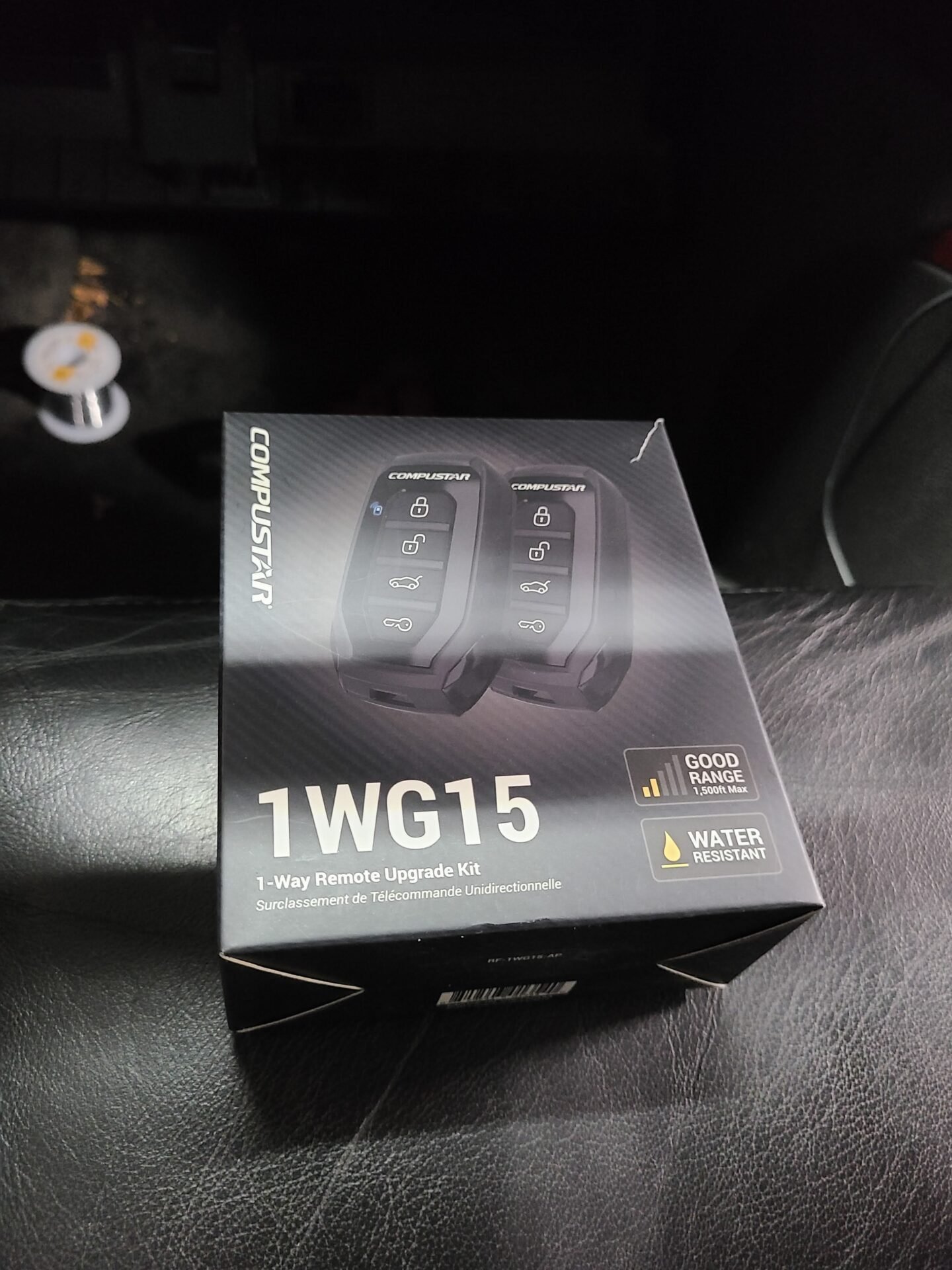
1-way systems send a signal from your remote to the vehicle. You press “start,” and the car should respond—but you don’t receive confirmation that it actually started. These systems are straightforward and budget-friendly, ideal for short-range users.
2-way systems send confirmation back to your remote once the engine is running or the doors are locked. Some have LED lights or tiny screens to show your car’s status. This reassurance is great when your car is parked far from home or in crowded lots.
Smartphone-connected systems take things a step further. Through a dedicated app, you can start or stop your engine, lock and unlock doors, or check vehicle status from nearly anywhere with a cell signal. These often rely on LTE or Wi-Fi modules for long-distance connectivity.
Modern installers offer all three types, along with optional upgrades such as longer-range antennas, water-resistant remotes, or integration with vehicle security systems.
Top Features to Look for in the Best Remote Car Starter
When you shop for a remote starter, certain features stand out as must-haves. Focus on range, compatibility, security, and optional smartphone integration to make sure the system fits both your car and your lifestyle.
Range and Signal Strength
Range refers to how far you can be from your car and still activate the starter. If you live in an apartment complex, work in a large office building, or frequently park far away, this matters. Basic systems cover about 1,000 feet—enough for driveways or nearby parking lots.
More advanced models reach 3,000 feet or more, giving you flexibility even in larger spaces. Strong signal technology reduces interruptions caused by buildings or interference.
Two-way systems, which send a confirmation back to your remote, eliminate the uncertainty of wondering whether the car started. Reliable range means stepping into a pre-heated or cooled vehicle every time, no guesswork needed.
Compatibility with Vehicles
Not every starter fits every vehicle. Newer cars often have sophisticated electronics or push-button start systems that require specific interface modules. Before you buy, confirm compatibility with your make, model, and year.
The best remote starters integrate with your vehicle’s security system and ignition setup without triggering warning lights or causing battery drain. Some vehicles—especially those with manual transmissions—need extra safety features to ensure the engine doesn’t start while in gear.
A qualified installer can determine which kit works safely for your car. Professional installers handle these complexities for you, ensuring clean connections and no interference with factory wiring or anti-theft systems. That’s why expert fitting is strongly recommended.
Security Enhancements
Security remains one of the top concerns for any remote starter system. The best units include layers of protection that prevent theft or misuse.
Key features include:
- The automatic door locks as soon as the engine starts.
- The engine shuts down if the brake pedal is pressed without a key in the ignition.
- Encrypted signals that prevent hackers from intercepting or replicating commands.
- Integration with car alarms or immobilizers for a single, unified system.
These measures ensure your car stays safe even while idling remotely. If your system is installed correctly, the vehicle will not move until you physically insert or detect the key inside.
A reputable installer can help you choose models that combine comfort with strong protection, giving you the best of both worlds.
Smartphone Integration
Smartphone-based control is one of the most popular features in modern remote starters. With a mobile app, you can start or stop your car, check the temperature, or see if it’s locked—all from virtually anywhere.
Many advanced models use cellular or LTE modules for reliable long-distance communication. Some apps even send alerts when the alarm goes off, when the battery runs low, or when someone tampers with the vehicle.
Using your phone also means you never have to carry an extra remote. If you always have your phone with you, you already have your key to comfort and convenience.
Smart connectivity is perfect for drivers who travel frequently or share vehicles among family members, allowing everyone to access the same app features.
Best Remote Car Starter Brands
Choosing a trusted brand ensures quality performance, dependable range, and long-term reliability. Below are a few standout names that have earned top marks among installers and drivers alike.
Compustar
Compustar is widely recognized for its strong range, durable construction, and clear 2-way feedback systems. Their remotes are weather-resistant, compact, and capable of reaching up to three miles under optimal conditions.
They also offer smartphone app connectivity for even greater control. The product line includes basic one-button models for simple starts as well as advanced systems that can manage locks, trunk release, and security features.
With clean design and consistent performance, Compustar remains a leader for both new and experienced users seeking long-distance reliability.
Viper
Viper combines remote starting and high-level security in one package. Many Viper models include alarm systems and immobilizers for full protection.
Their remotes come in several formats, from compact one-button fobs to LCD displays showing car status and range feedback. You can also integrate your smartphone for GPS tracking and control.
For anyone prioritizing theft prevention and top-tier security along with comfort, Viper provides a strong balance of both worlds.
How to Choose the Right Remote Car Starter
Selecting the right remote car starter depends on your vehicle type, feature preferences, and installation approach. Take time to evaluate each factor before purchasing.
Vehicle Requirements
Before purchasing a remote starter, the first step is confirming that your vehicle can support one. Modern cars use complex security systems and electronic controls that vary by manufacturer.
Some models need interface modules that let the starter communicate with your vehicle’s onboard computer. Certain vehicles, especially those with manual transmissions, require additional safety circuits so the engine doesn’t engage when the car is in gear.
Others with push-button start systems may need specialized kits or firmware updates. Always confirm your car’s year, make, and model before purchase to avoid compatibility issues or malfunctions.
If you’re unsure, professional installers can verify compatibility and handle the wiring to protect your car’s electronics. That ensures smooth integration with features like door locks, alarms, and factory immobilizers.
Budget Considerations
Remote car starters come in a wide range of prices depending on brand, range, and features. Entry-level one-button models typically cost around $400–$450, while high-end two-way or smartphone-controlled systems can exceed $500–$600.
When budgeting, consider both the unit price and installation costs, which can add $100 or more depending on vehicle complexity. Choosing professional installation may raise the upfront total, but it can save money later by preventing electrical damage or compatibility issues.
Also, review warranty terms before purchase. Most reputable systems include a one-year manufacturer’s warranty and additional coverage when installed by an authorized shop. This protection gives you peace of mind that both parts and labor are guaranteed.
If you’re working within a budget, focus on the features you’ll actually use—reliable range, simple locking functions, or smartphone access—and skip extras that don’t fit your daily needs.
Professional vs. DIY Installation
Installing a remote car starter might seem straightforward, but it involves intricate wiring, connections to your ignition, and integration with your vehicle’s security system.
A DIY installation can work if you’re skilled with automotive electronics and comfortable reading wiring diagrams. However, even experienced hobbyists often encounter issues like short circuits, immobilizer interference, or nonresponsive remotes.
These problems can be expensive to fix and might void your warranty. That’s why professional installation is highly recommended. Certified installers have specialized tools, up-to-date vehicle software, and experience handling the complex wiring modern cars use.
They can mount antennas in the best locations for signal strength, connect modules safely, and program the system correctly the first time.
Having a pro install your remote starter also means you’ll receive a labor warranty, ensuring free corrections if issues arise later. While it costs more upfront, it guarantees a clean, reliable setup that won’t affect your car’s warranty.
Installation Process and Tips
Getting a remote car starter installed involves preparation, careful technician selection, and post-installation checks. Proper steps help prevent future problems and ensure a seamless experience.
Preparation Before Installation
Before installation day, make sure your vehicle’s battery is fully charged. A weak battery can interfere with testing or prevent the system from working properly afterward.
Check whether your vehicle already has an alarm or immobilizer—the installer may need to integrate the new system with those existing features. Gather all key fobs and your car’s manual so the technician can review any security requirements.
Finally, clear out personal items and make space around the dashboard and steering column so technicians can access wiring safely. Good preparation saves time and ensures the process runs smoothly.
Choosing a Qualified Installer
Choose a shop with proven experience installing remote starters and strong customer reviews. Ask about their certifications, insurance coverage, and whether they specialize in your car’s make or model.
A professional installer should:
- Provide a detailed quote before starting work.
- Use clean, organized wiring practices with soldered or crimped connections.
- Offer a written warranty covering both parts and labor.
- Explain how to use the remote and what to expect during daily operation.
It’s wise to research a few local options, read reviews, and choose one with a reputation for neat, reliable installations. Quality workmanship prevents electrical interference and ensures long-lasting performance.
Common Installation Issues
Even with good equipment, improper installation can cause frustrating problems. Common issues include:
- Incorrect wiring: Crossed or loose wires can prevent the system from starting or cause intermittent failures.
- Interference with security systems: If the factory alarm or immobilizer isn’t bypassed correctly, the car may not start or could trigger false alarms.
- Poor antenna placement: If the antenna is installed behind metal or too deep in the dashboard, the signal range drops dramatically.
- Weak ground connections: These can cause power interruptions or unreliable performance.
If your system doesn’t respond after installation, check for simple issues first—like a drained battery or loose fob connection—then contact your installer. Professional technicians can troubleshoot using diagnostic tools and update firmware if needed.
Maintaining Your Remote Car Starter
Once your system is installed, regular maintenance keeps it running reliably through every season. Focus on battery health, firmware updates, and quick troubleshooting when issues arise.
Battery Life Management
Most remote starter remotes use coin cell batteries that last around 12 months, depending on usage. Replace the battery when the remote signal weakens or stops working.
To extend battery life:
- Avoid leaving the remote in direct sunlight or extreme cold.
- Store it in a dry, temperate environment when not in use.
- Keep a spare battery available for emergencies.
- Use only the manufacturer’s recommended replacement battery type.
Maintaining the fob’s power ensures consistent performance and prevents failed starts when you need it most.
Firmware Updates
Many modern systems—especially those with smartphone connectivity—use firmware that occasionally needs updating. Firmware is the internal software that manages communication between your remote and the car’s electronics.
Updating this software helps fix bugs, improve security, and maintain compatibility with your vehicle. Check your product’s mobile app or consult your installer to see if new updates are available.
Installation shops often perform firmware upgrades during annual inspections or troubleshooting visits, ensuring your system stays optimized for performance and safety.
Troubleshooting Common Problems
If your remote starter suddenly stops working, don’t panic. Here are a few quick checks:
- No response: Replace the remote battery or test with a spare fob.
- Short range: Make sure there are no signal obstructions such as concrete walls or other electronic devices nearby.
- Car won’t start remotely: Verify that the car is in Park, doors are closed, and the hood and brake sensors are functioning properly.
- System beeps but doesn’t start: Check for triggered alarms, open doors, or a low vehicle battery.
If these steps don’t resolve the issue, schedule a service appointment with your installer. They can check wiring connections, reprogram modules, and test the antenna for signal integrity.
Remote Car Starter Safety and Legal Considerations
While remote starters add convenience, they must be used responsibly to ensure safety and compliance with both manufacturer warranties and local regulations.
Vehicle Warranty Impacts
Improperly installed remote starters can sometimes void your vehicle’s warranty. If the system causes electrical issues or interferes with factory electronics, the automaker might decline coverage for related repairs.
To avoid this risk, always have your remote starter installed by a qualified professional. Expert installers follow manufacturer guidelines, use compatible interface modules, and keep all documentation to protect your warranty coverage.
Keep copies of your purchase receipts and installation paperwork in case warranty questions arise later. If you’re unsure, check your vehicle’s warranty terms before installation, as some automakers restrict aftermarket electronic modifications.
Legal Restrictions by Region
Different states and cities regulate how long vehicles can idle unattended. Remote starters make idling easier, but extended engine runs can lead to air pollution fines or violate local anti-idling laws.
For example:
- Some states limit idling to 3–5 minutes.
- Certain municipalities require vehicles to lock automatically while running.
- A few regions ban idling in specific public spaces, like schools or hospitals.
Before using your remote starter regularly, check your area’s regulations. Operate your vehicle responsibly—turn it off when not needed and never leave it idling in enclosed spaces.
Using your remote starter safely not only keeps you within the law but also reduces fuel waste and emissions, making it a smarter and greener upgrade.
Latest Innovations in Remote Car Starter Technology
Today’s remote car starters are more advanced than ever, offering enhanced convenience, connectivity, and control. These innovations blend modern tech with practical features that make daily driving easier.
Keyless Entry Integration
Many systems now combine keyless entry with remote start. This means you can lock, unlock, and start your vehicle without ever pulling out your keys. The remote or app communicates directly with the car’s central locking system, making entry smooth and secure.
Some systems even send alerts if your doors remain unlocked or open, providing extra peace of mind. In regions with harsh winters or hot summers, keyless integration lets you enter a comfortable vehicle quickly and safely.
Professional installation ensures the keyless and remote-start functions work seamlessly together, avoiding electrical conflicts or range problems.
App-Based Controls
One of the biggest leaps in recent years is app-based control. Using your smartphone, you can start or stop your vehicle, lock or unlock doors, and monitor battery voltage or cabin temperature—all from anywhere with cell service.
These apps often feature GPS tracking, notifications for alarm triggers, and geofencing tools that alert you if your car moves unexpectedly. Some even integrate with smartwatches or voice assistants for hands-free operation.
App-based systems are becoming standard for drivers who want a connected, modern experience. They combine convenience with extra security and insight into your vehicle’s condition.
What’s Next for Remote Start Technology
Future systems are leaning toward eco-friendly efficiency and smart home connectivity. Expect features like automatic runtime adjustment based on temperature, integration with electric vehicle preconditioning, and voice-activated commands through virtual assistants.
As vehicles become more connected, remote starters will merge further with in-car infotainment and telematics systems, allowing seamless operation through factory touchscreens or apps.
Start Every Drive With Comfort and Control
A remote car starter makes cold mornings and hot afternoons easier to handle. It lets you warm or cool your car before you get in, protecting your comfort and your engine. The right model combines long range, smart connectivity, and vehicle compatibility.
Choosing the right system means more than convenience—it’s about everyday ease, safety, and peace of mind on every trip. Whether you prefer a one-button fob or smartphone control, a trusted installer ensures perfect setup and worry-free use.
Ready to enjoy effortless starts and cozy winter mornings? Contact Polarizauto today to get your remote car starter installed by experts who make comfort automatic.
Frequently Asked Questions
Choosing the right remote car starter means thinking about how you use your vehicle, what features you want, and how much you want to spend. You’ll also want to know if professional installation is necessary and which brands are trusted by experts.
What factors should I consider when choosing a remote car starter?
Look at the distance the remote works from, ease of use, and compatibility with your car model. Think about extra features like keyless entry or smartphone control if those matter to you. Also, check if the system has security features to protect your vehicle.
How much should I expect to pay for a quality remote start system?
Prices usually range from $100 to $400 for the device, not including installation. Professional installation, like the kind you get at Polarizauto, can add $100 to $200, depending on the complexity of your vehicle. Higher-end models with more features cost more.
Which remote car starters are recommended by experts?
Systems like COMPUSTAR are often recommended. They offer reliable performance and several models to fit different needs. Polarizauto provides installation for these quality systems to make sure your remote starter works well.
Can I install a remote car starter myself, or should it be professionally done?
While some people install remote starters themselves, professional installation is safer and more reliable. A trained technician can avoid wiring mistakes that might harm your car. Services like those at Polarizauto specialize in this to make sure your system works perfectly.
What are the benefits of having a remote car starter with a smartphone app?
You can start your car from anywhere, which is useful for warming or cooling it before you get in. Some apps also let you control locks and check vehicle status remotely. This adds convenience and peace of mind.
Are there any top-rated remote car starter brands that professionals use?
Yes, COMPUSTAR is one of the top brands professionals trust. It offers advanced features and solid security. Having it installed by experts guarantees the best experience.