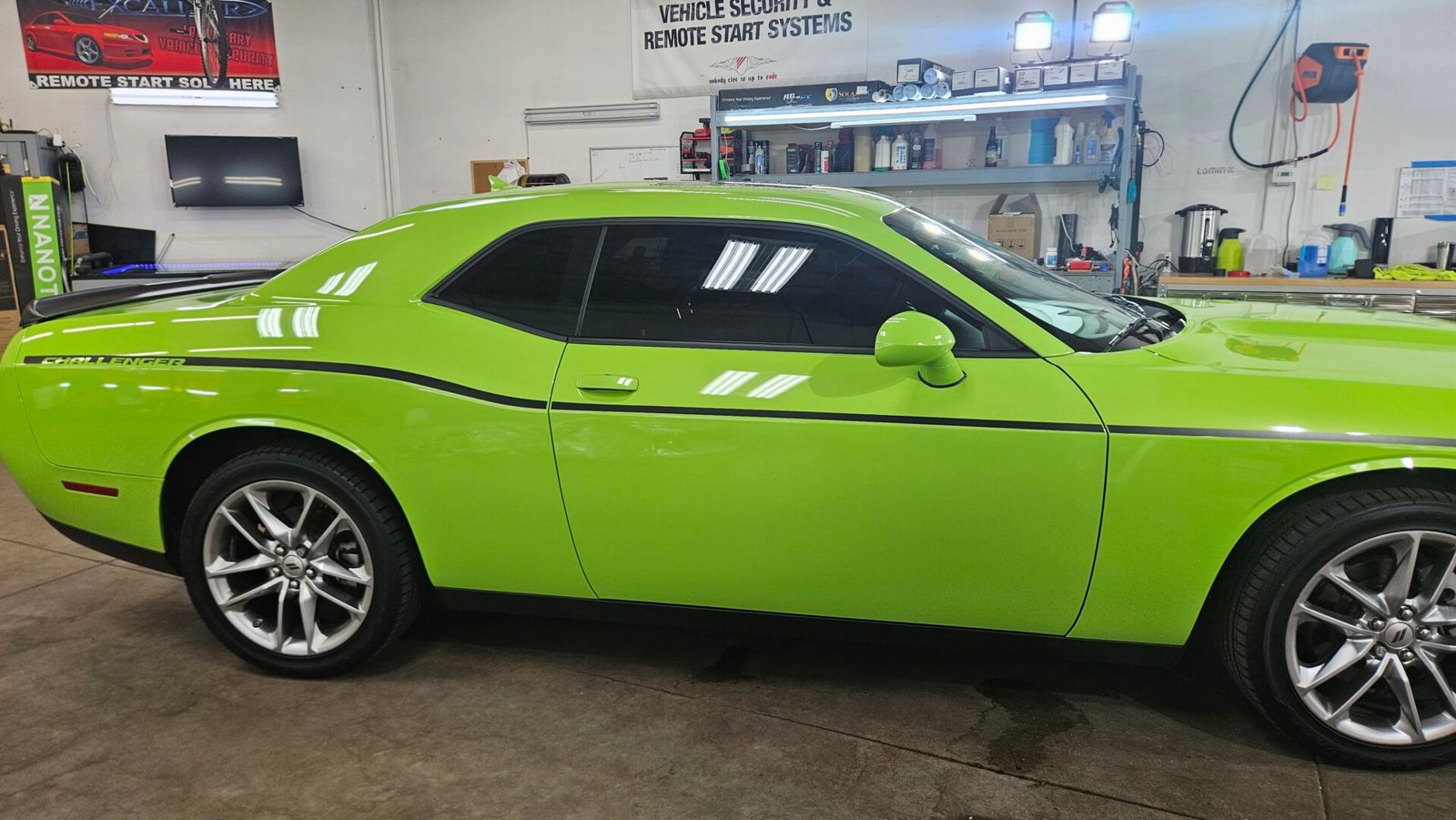
Finding the best ceramic window tint means balancing comfort, protection, and lasting performance. This advanced tint technology blocks heat, reduces glare, and shields your interior from harmful UV rays—all while keeping your car’s look clean and modern.
At Polarizauto, expert installers bring precision and reliability to every tinting job, ensuring long-lasting results that withstand Minnesota’s changing weather. With premium materials and careful technique, your car stays cooler, and your tint remains flawless for years.
In this guide, we’ll explore what makes ceramic tint the best in its class, from its advanced heat rejection to its sleek, signal-safe design. You’ll learn how to choose the right tint for your car and how professional installation makes all the difference.
What Is Ceramic Window Tint?
Ceramic window tint is a modern film applied to vehicle windows that blocks heat and UV rays while keeping visibility clear. Unlike regular tints, it’s designed to provide better comfort without darkening your windows too much. It also protects your car’s interior and helps reduce glare.
How Ceramic Tint Differs from Traditional Tint
Traditional window tints use dyes or metal particles to darken glass and block sunlight. These can reduce heat but often fade or discolor over time. Metal-based tints may interfere with radios and GPS because they block signals.
Ceramic tint contains tiny ceramic particles that don’t fade and don’t affect electronics. You can choose a lighter tint shade, sometimes up to 70% visible light transmission, so your windows stay clear. Ceramic tint lasts longer and performs better under the sun.
Benefits of Ceramic Window Tint
Ceramic window tint offers several clear benefits for your car:
- Heat rejection: It blocks a large amount of solar heat, lowering the inside temperature.
- UV protection: It cuts out about 99% of harmful UV rays, protecting your skin and your car’s interior.
- No signal interference: Unlike metal tints, it won’t disrupt radio, GPS, or cellphone signals.
- Durability: It resists fading and bubbling, lasting many years.
- Clarity: You get good visibility with less glare, even in bright sunlight.
How Ceramic Tint Works
Ceramic tint uses microscopic ceramic particles that block heat and UV rays without blocking visible light. These particles absorb and deflect solar energy instead of heating up as metal particles do.
The film acts like a shield, keeping your vehicle cooler during hot days and reducing glare while you drive. It also stops UV rays from fading your dashboard, seats, and other interior parts.
Because ceramic tint reflects heat but stays clear, you drive comfortably without sacrificing natural light or outside views.
Why Ceramic Tint Is More Efficient Than Standard Films
Ceramic tints outperform traditional dyed and metalized films because they absorb and reflect infrared heat, reducing cabin temperatures significantly. According to Energy.gov, window films that block infrared energy can cut heat gain by up to 50%.
Top Features of the Best Ceramic Window Tint
Choosing the right ceramic window tint means looking closely at how well it protects you and your car. You want something that blocks harmful rays, keeps your car cool, stays clear, and lasts a long time. These features make the biggest difference in comfort and safety every day.
UV Protection Capabilities
Ceramic window tints excel at blocking harmful ultraviolet (UV) rays from the sun. They can filter out up to 99% of UV rays, which helps protect your skin from sun damage. This also keeps the interior of your car from fading or cracking over time.
Ceramic options don’t just darken your windows—they actively reflect UV rays without interfering with your device signals like GPS or radio. This means you stay connected without losing protection.
Heat Rejection Performance
One of the biggest benefits of ceramic tint is its ability to block heat from entering your car. The tint reflects infrared rays that cause heat buildup, keeping your vehicle cooler by up to 50% compared to untreated windows.
This heat rejection lowers the need for air conditioning, which can save fuel and reduce wear on your car’s cooling system. It also creates a more comfortable ride, especially on hot summer days.
Good ceramic tints maintain performance without darkening your windows too much. Some options offer a clear 70% shade that blocks heat but still lets plenty of light in for better visibility.
Clarity and Visibility
You don’t want to lose clear vision with window tint. The best ceramic tints have a high level of optical clarity, so your visibility stays sharp in all lighting conditions.
Ceramic films resist fading and discoloration over time. They also reduce glare without making your windows look dark or foggy. This is important for safe driving, especially at night or in bad weather.
Longevity and Durability
Ceramic window tints are built to last. They resist scratches, bubbling, and peeling better than other types of tints. With proper care, a ceramic tint can protect your vehicle’s windows for 5 to 10 years.
Durability means less need for replacements, saving you money and hassle in the long run. The tint also withstands extreme weather conditions without breaking down.
Popular Types and Brands of Ceramic Window Tint
Ceramic window tints come in various forms and from several trusted brands. Your choice depends on how you prefer to apply the tint, the look you want, and the level of heat and UV protection you need. Knowing the options available helps you pick the right product for your car.
Best Pre-Cut Ceramic Tint Kits
Pre-cut ceramic tint kits are made to fit specific car models exactly. This means there’s less waste and the installation is faster, which is great if you want a clean, professional look without the hassle of trimming.
These kits offer strong heat rejection and UV protection while keeping your windows clear. They are ideal if you want a simple, DIY option or if you’re working with professionals who can quickly install them with expert precision.
You get consistent quality and performance since the film is cut and shaped for your exact windows. This also reduces the risk of errors during installation, making them a smart choice for many drivers.
High-Quality Ceramic Film Rolls
If you want more flexibility or are tinting multiple vehicles, ceramic film rolls might be a better fit. Rolls allow you to cut the tint to any size or shape, which works well for custom or larger windows.
The ceramic material in these films blocks heat and UV rays without compromising visibility. This helps keep your car cooler in Minnesota summers and protects your interior from fading.
Using rolls means you or your installer can handle repairs or replacements easily because you have extra material on hand. But cutting and fitting these requires some skill, so it’s best to trust pros for a smooth finish.
Leading Ceramic Tint Brands
Some ceramic tint brands stand out for their quality and warranty offerings. Brands like 3M, Huper Optik, and Llumar have built solid reputations for durability, clarity, and heat rejection.
3M’s ceramic tints are known for excellent UV protection and a nearly invisible look. Huper Optik uses nanoparticle ceramic technology for strong heat rejection without creating signal interference. Llumar tints are praised for their long-lasting color stability and scratch resistance.
Choosing a top brand means you get reliable heat control, good clarity, and peace of mind from warranties. These brands are commonly recommended by professionals and help protect your investment in window tinting.
How to Choose the Right Ceramic Window Tint
Picking the right ceramic window tint means balancing how much light you want, the look you prefer, and the type of vehicle you drive. These choices affect your comfort, style, and staying legal on the road.
VLT Ratings and Legal Considerations
VLT stands for Visible Light Transmission. It shows how much light gets through your tinted windows.
The lower the VLT, the darker the tint. For example, a 20% VLT lets in 20% of outside light and blocks 80%. This is important because many states have rules about how dark your tint can be on each window.
Your front windows often need a higher VLT (lighter tint) to stay legal, while rear windows can usually be darker. Check Minnesota’s laws before choosing a VLT level to avoid fines or needing to remove your tint.
Color and Shade Selection
Ceramic tints come mostly in dark or clear shades. Darker shades offer more privacy and reduce glare well. But very dark tints can affect night driving visibility. A lighter tint, like a 70% shade, might seem almost clear but still blocks heat and UV rays effectively.
Besides darkness, ceramic tints often have a neutral, non-reflective look. This means they won’t turn purple or silver over time, and they won’t mess with your car’s electronics or signals.
Matching to Vehicle Type
Different cars have different tinting needs. SUVs and trucks often get darker tints because they have larger windows and more sun exposure. Smaller cars or older models might require a lighter tint to keep the inside temperature comfortable without overheating.
If your vehicle has a sunroof or panoramic windows, consider tinting them to protect from UV rays. Professionals recommend tints based on your car’s shape, window size, and your daily driving habits. This ensures your tint looks good and works well.
Installation Tips for Ceramic Window Tint
Installing ceramic window tint takes some care to get the best look and protection. You’ll want to think about whether to do it yourself or hire a pro, how to get your windows ready first, and how to keep the tint clean after installation.
Professional vs. DIY Installation
Choosing between professional and DIY installation depends on your comfort and skill level. Professional installers have the right tools and experience to apply the tint smoothly without bubbles or wrinkles.
If you do it yourself, make sure you work in a clean, dust-free space. Use a good squeegee and plenty of soapy water to position the tint. Small mistakes can cause peeling or bubbling, which means you might need to replace the tint sooner.
Professionals usually offer a warranty on their work. This can give you peace of mind that the tint will stay in good shape longer.
Preparing Your Windows
Clean windows are key to a perfect tint job. Dirt, dust, or oils can prevent the film from sticking properly, causing bubbles or peeling later.
Start by washing your windows thoroughly with a glass cleaner and microfiber cloth. Avoid harsh cleaners that leave residue. Next, remove any stickers or debris on the glass.
Make sure the windows are completely dry before applying the tint. Even small amounts of moisture or dust trapped under the film will show up after installation and affect the finish.
If you’re planning to tint the inside of your car windows, lower them just enough to clean the top edge well and avoid trapping dirt.
Maintenance and Cleaning
Once your ceramic tint is on, gentle care keeps it looking good and working well for years. Use a soft microfiber cloth or sponge with water and mild soap. Avoid harsh chemicals, ammonia-based cleaners, or abrasive pads.
These damage the tint film and reduce its heat-blocking power. Wash the tinted windows last when cleaning your car. This prevents dirt and cleaner residue from lingering on the tint. Don’t roll down your windows during the first few days after installation so the adhesive can set.
Regular care protects the tint’s UV protection and keeps your windows cooler, making your drives more comfortable.
Comparing Ceramic Tint to Other Tinting Options
When choosing window tint, it’s important to know how ceramic tint compares to other types. This helps you find the best fit for your car, balancing heat rejection, durability, and appearance.
Ceramic vs. Dyed Tint
Dyed tint is affordable and uses a layer of dye to block sunlight and reduce glare. However, it doesn’t block heat as well as ceramic, and the dye can fade or turn purple over time.
Ceramic tint uses tiny ceramic particles that do not fade. It blocks up to 50% more heat than dyed tint while reducing glare and UV rays. Ceramic also keeps better clarity and does not interfere with electronics in your vehicle.
If you want good heat control and long-lasting color, ceramic tint is worth the extra cost.
Ceramic vs. Carbon Tint
Carbon tint offers better heat reduction than dyed tint by using carbon particles that absorb infrared light, keeping your car cooler. Carbon tints resist fading better than dyed films and have a matte finish.
Ceramic tint beats carbon in heat rejection and UV protection. It blocks more heat without making the windows too dark. Ceramic films do not cause signal interference with radios or GPS systems, which can happen with carbon tint.
If you want a balance between style and top-level heat control, ceramic tint is a preferable choice, especially for hot summers.
Ceramic vs. Metallized Tint
Metallized tint uses thin metal layers to reflect heat and sunlight, offering strong heat rejection and durability. However, metallized film can cause problems with electronic signals and GPS because metal blocks radio waves.
Ceramic tint provides similar heat blocking without signal issues. It avoids the metallic look, giving your car a more natural appearance. Ceramic tints last longer without cracking or bubbling.
If you need excellent heat protection and signal clarity, ceramic tint is a solid fit for your vehicle.
Cost and Value Considerations
Ceramic window tinting usually costs more than regular tint because the materials and technology are better. This higher price gives you stronger heat and UV protection, plus better durability. While the upfront cost might seem high, the benefits add value to your vehicle over time.
Prices vary based on your vehicle’s size and the type of ceramic tint you choose. Typical costs range from $250 to $500, depending on these factors. You get a professional install that ensures the tint lasts longer without bubbling or peeling.
Think about what you get for the price:
- Better heat rejection keeps your car cooler without using air conditioning.
- UV protection helps protect your skin and the car’s interior from damage.
- Increased privacy and glare reduction improve comfort while driving.
Ceramic tints don’t fade as quickly as cheaper films, so you won’t need to replace them often. This means more value for your money in the long run.
If you plan to keep your car for several years, ceramic window tinting can be a smart investment. It protects your interior and makes driving more pleasant every day.
Common Myths About Ceramic Window Tint
You might have heard some confusing things about ceramic window tint. Let’s clear up a few common myths so you can make the best choice for your car.
Myth 1: Ceramic tint blocks all light.
Ceramic window tint can be very clear, like the 70% shade. It lets in plenty of natural light while reducing heat and UV rays. You won’t feel like you’re in a dark cave.
Myth 2: Ceramic tint blocks radio and GPS signals.
Older tints sometimes interfered with electronics. But ceramic tint does not cause signal problems. You can use your radio, GPS, and phone without issues.
Myth 3: Ceramic tint is the most expensive option.
While ceramic tint costs more than basic tints, it lasts longer and offers better heat rejection and UV protection. This can save you money in the long run on energy and interior fading.
Myth 4: It’s hard to maintain a ceramic tint.
Ceramic tint cleans easily with soap and water, just like normal windows. No special care is needed.
User Reviews and Real-World Experiences
Many people who choose ceramic window tint notice clear benefits right away. The tint blocks heat well, making your car cooler on sunny days. This helps reduce the need for air conditioning and keeps you more comfortable on the road.
Users report less glare while driving, so your eyes feel less tired, especially during bright afternoons. It’s a small change that can make a big difference on long trips or daily commutes.
Customers appreciate the durability and how the ceramic tint doesn’t fade or bubble easily. This keeps your car looking sharp for years after installation.
Common feedback highlights:
- Improved privacy inside the vehicle
- Protection from harmful UV rays for skin and the car interior
- A sleek, polished look that adds style
If you want a stress-free process, experienced professionals guide you through choices and care tips so you get the most from your investment.
Expert advice on maintaining your tint helps extend its life and maintain clarity. Simple steps keep your ceramic window tint effective and attractive for a long time.
Final Thoughts on Choosing the Best Ceramic Window Tint
Ceramic window tint offers long-term benefits that go beyond appearance. It blocks heat, protects your car’s interior, and keeps you comfortable behind the wheel, no matter the weather. It’s one of the smartest upgrades for both style and performance.
At Polarizauto, every installation is done with precision and attention to detail, ensuring the film bonds perfectly to your windows for lasting clarity and durability. Drivers trust the team for results that perform beautifully year after year.
Ready to upgrade your car’s comfort and style? Get your windows tinted by experts who value quality and precision—schedule your ceramic tint installation today.
Frequently Asked Questions
Choosing the right ceramic window tint means knowing how it protects your car, blocks heat, and lasts. You also want to understand how brands compare and what to expect from the installation process.
What are the benefits of using ceramic window tint in vehicles?
Ceramic tint blocks a large amount of heat and UV rays, which helps keep your car cooler and protects the interior from fading. It also adds privacy and reduces glare without affecting your phone or GPS signals.
How does LLumar ceramic tint compare to other brands?
LLumar is well-known for quality and durability. It offers strong heat rejection and clear visibility. While it’s a solid choice, the best tint depends on what fits your specific needs and budget.
Which ceramic window tint is known for the most effective heat reduction?
Many users find certain high-quality ceramic tints stand out for heat rejection, especially those with advanced nano-ceramic technology. These reduce heat efficiently without darkening windows too much.
What should I look for when choosing a ceramic window tint service near me?
Look for a shop with certified installers and good reviews. You want professionals who use premium films and offer a warranty to back up their work.
Are there any downsides to applying ceramic tint to my windows?
Ceramic tints usually cost more than standard films. Installation must be done carefully to avoid bubbles or peeling. Also, while rare, some vehicles might have restrictions on window tint darkness due to local laws.
How do XPEL and 3M ceramic tints differ, and which one is superior?
XPEL makes high-quality ceramic films with a focus on self-healing properties. 3M offers a wide range of options and has global support. The better choice depends on your priorities, such as appearance or durability.