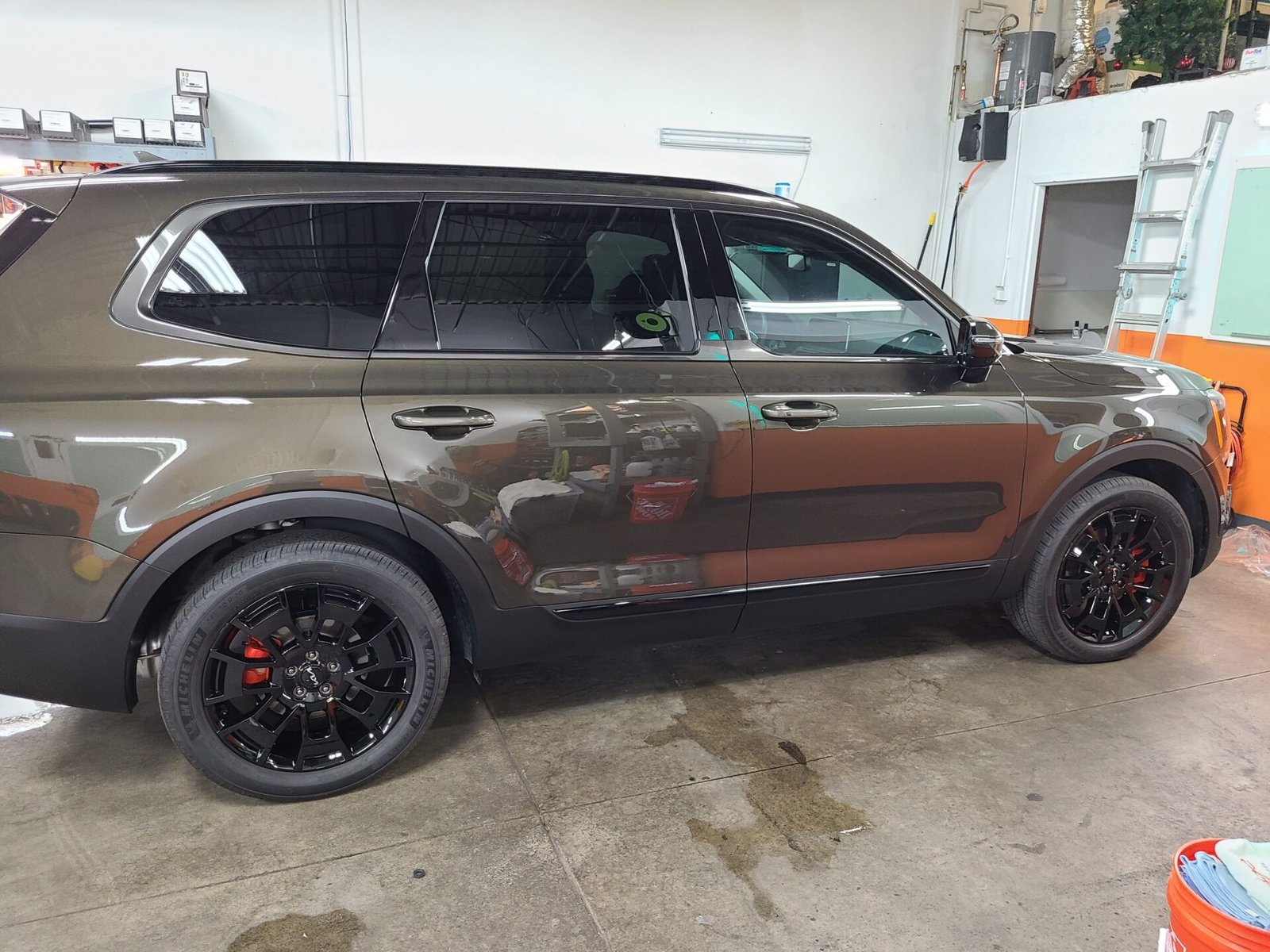
Automotive window tinting is more than a cosmetic upgrade—it’s a smart way to improve comfort, safety, and privacy for every drive. By blocking heat and harmful UV rays, tint keeps your vehicle cooler and your interior looking newer longer.
At Polarizauto in Ramsey, MN, our professional tint specialists use premium films that balance clarity and protection. We help Minnesota drivers stay comfortable in summer heat while meeting all state tint laws for a worry-free experience.
In this guide, you’ll learn what automotive tint is, how it works, the benefits it brings, and what to expect from professional installation. Whether you want better style or comfort, you’ll find everything you need here.
What Is Automotive Window Tint?
Automotive window tint is a thin film applied to your car’s windows. It helps block heat, reduce glare, and protect you from harmful UV rays. You can also improve your car’s look and privacy with different types of tint.
Types of Automotive Window Tint
There are several types of window tint films available:
- Dyed Tint: Uses a layer of dye to block sunlight and reduce glare. It’s affordable but offers less heat rejection.
- Metalized Tint: Contains tiny metal particles that reflect heat and UV rays. This type is strong but can interfere with electronic signals.
- Carbon Tint: Offers good heat rejection without signal interference. It gives a matte finish and lasts longer than dyed tint.
- Ceramic Tint: Made from ceramic particles, this high-end option blocks heat and UV rays effectively. It keeps your car cool and won’t fade over time.
Choosing the right tint depends on your budget, style preference, and protection needs.
How Window Tint Is Made
Window tint films begin as large rolls of polyester material. Multiple layers are added to meet specific needs. A dyed or metalized layer blocks light and heat. An adhesive layer sticks the film to the glass, and a protective outer layer prevents scratches and damage.
Some advanced films, like ceramic tints, include tiny ceramic particles for extra UV and heat blocking. Each layer is carefully bonded to make the film durable and long-lasting. The final product is cut to fit your car’s windows and professionally installed to avoid bubbles and wrinkles.
Brief History of Car Window Tinting
Car window tinting started in the 1960s, mainly for style and privacy. Early tints were simple dyed films with limited heat blocking. Over time, tint technology improved. Metalized films appeared in the 1980s, offering better heat rejection but with some downsides like signal interference.
Today, ceramic and carbon tints are popular. They offer strong heat and UV protection without the problems of older films. These new tints make driving more comfortable and safer by reducing sun damage inside your car.
Benefits of Automotive Window Tint
Adding window tint to your car can make a big difference in how you experience driving. It helps protect your skin, keeps your car cooler, lowers energy use, and gives you more privacy.
UV Protection
Window tint blocks harmful UV rays from the sun, which can cause skin damage and increase the risk of skin cancer. When your car’s windows have tint, you get better protection from these rays, even if you drive a lot during the day.
Inside your car, tint helps prevent the dashboard and seats from fading or cracking over time. This keeps your vehicle looking newer for longer. Our shop offers high-quality tint films that are designed to block up to 99% of UV rays, giving you real protection without sacrificing visibility.
Improved Comfort
Tinting your windows reduces the heat coming into your car. This means your car stays cooler on hot days, which makes driving more comfortable for you and your passengers. When the sun isn’t glaring through the windows, you don’t have to squint or keep reaching for sunshades.
You’ll also notice that window tint cuts down on glare from the sun and headlights. This reduces eye strain, especially on long drives or during early mornings and evenings. The right tint balances comfort without making your windows too dark.
Energy Efficiency
A cooler car means you don’t have to run your air conditioner as hard. Window tinting helps by blocking heat before it even gets inside, which can save you fuel and reduce engine load. Over time, this helps you save money on gas and lowers wear on your car’s cooling system.
If you live in a place with strong sunlight, like Minnesota, tinting can be a smart choice. It keeps your car’s temperature stable and reduces the energy needed to cool it. This makes every drive more efficient and less stressful on your vehicle and wallet.
Privacy and Security
Window tint adds a layer of privacy by making it harder for others to see inside your car. This helps protect your belongings from prying eyes and reduces the chance of theft. It also gives you peace of mind when parked in public or crowded areas.
Tinted windows can also increase safety. In a crash, window films help hold broken glass in place, reducing the risk of injury from flying shards. Many drivers appreciate that tinting combines privacy with extra protection.
Legal Considerations for Automotive Window Tint
Before tinting your car windows, it’s important to know the rules about how dark the tint can be. The laws vary by state, and you must follow them to avoid fines or having to remove your tint. Knowing what is allowed helps keep you safe and makes sure your vehicle stays legal on the road.
State Tint Laws
Each state has its own regulations about window tinting. These laws set limits on how dark the tint can be on different windows of your vehicle. Usually, the front side windows have stricter rules compared to the rear and back windows.
For example, Minnesota requires a minimum amount of light to pass through the front side windows. This means you can’t have a very dark tint there. Some states also have rules about the tint color and reflectiveness, so keep those in mind.
You should always check the specific tint laws for where you live or where you’ll drive most often. Our team can help you understand the rules for Minnesota if you’re looking to get your windows tinted right and legally.
Minnesota Tint Law Quick Guide
The Minnesota Office of the Revisor of Statutes outlines tint limits under §169.71. Passenger cars must allow at least 50% light transmission on front side windows, while rear and back windows may be darker.
Windshields may only have a non-reflective strip along the top five inches. Following these rules ensures your tint remains safe and compliant.
Acceptable Tint Levels
Tint darkness is measured by Visible Light Transmission (VLT). VLT is the percentage of light allowed to pass through your window. The lower the VLT, the darker the tint.
Most states require a VLT of 35% to 50% for front windows, meaning 35–50% of light must come through. Rear windows often allow a darker tint, sometimes as low as 20% VLT or less. Some places also have rules about tint reflectivity and colors.
Reflective tints that look like a mirror, or colors like red or blue, may not be allowed.
Here’s a quick example of tint limits in Minnesota:
| Window | Minimum VLT Allowed |
| Front Side | 50% |
| Rear Side | No limit |
| Rear Window | No limit |
Knowing these numbers helps you choose a tint that fits the law and keeps your car comfortable.
Consequences of Non-Compliance
If your car’s tint breaks the law, you could face several problems. Police might stop you and give a ticket if your windows are too dark or too reflective. You may be required to remove the illegal tint, which costs extra money and time.
In some cases, repeated offenses can lead to higher fines or other penalties. Illegal tint can also cause safety issues. Too dark tint reduces your visibility while driving at night or in bad weather, increasing the risk of accidents.
Choosing professional tinting means your windows will be done right, with legal limits respected, so you avoid these risks and penalties.
Choosing the Right Automotive Window Tint
Picking the best window tint for your car means thinking about the film material, what you want the tint to do, and how the color and shade look. These details help you get the right mix of protection, style, and comfort.
Comparing Tint Materials
There are several types of tint films you can choose from, but the most common are dyed, metalized, and ceramic. Dyed film offers good privacy and cuts some heat, but fades faster over time. Metalized film blocks heat well and strengthens your windows, but can interfere with electronics like GPS.
Ceramic film is the most advanced, blocking the most heat and UV rays without affecting signals. It also holds its color longer. Ceramic tint costs more but lasts longer and gives better performance. If you want strong heat rejection and clear vision, ceramic is the way to go.
Matching Tint to Vehicle Needs
Think about what you want from your window tint. Are you after cooler interior temperatures, privacy, or protection from UV rays? Each goal might point you toward a different tint type. If you live in a sunny place like Minnesota, heat and UV protection are important for keeping your car cool.
A trusted shop offers choices like ceramic and carbon tints that block a lot of heat and rays, helping your AC work less. For privacy, darker tints work best. But remember, local laws set limits on how dark your tint can be, so check those rules before deciding.
Color and Shade Options
Window tint comes in many shades and colors. Your car’s look will change depending on what you pick. Gray tint keeps colors natural and offers good heat control. Bronze or brown tints add warmth and can improve contrast. Black is classic for style and strong privacy.
The amount of light the tint lets through is called the Visible Light Transmission (VLT). Lower VLT means a darker tint, which blocks more light. You want a balance between style and visibility, especially if you drive at night often. Choosing the right shade also affects how your car looks from the outside.
If you want a sleek, modern design, a uniform dark tint might be best. For a subtler look, lighter tints do the job without being too bold. Experts can help you pick the perfect tint for your needs while following Minnesota’s tint rules.
Automotive Window Tint Installation
Getting your car windows tinted improves comfort and protects the inside from heat and UV rays. The process requires careful cleaning and precise application to avoid bubbles, wrinkles, or damage.
You’ll want to know the best way to prepare, how professional and DIY installs differ, and what common mistakes to watch out for.
Professional vs. DIY Installation
Choosing professional installation means you get experts handling the cleaning and tint application with high-quality tools. Trusted professionals use premium glass cleaners and lint-free cloths to remove every speck of dirt. This leads to a smooth finish with fewer bubbles or peeling risks.
DIY is cheaper but trickier. Without experience, it’s easy to trap dust or apply the tint unevenly. You need patience and a clean, dust-free space.
While kits come with instructions, mistakes often happen, which may cause you to redo the job or buy new tint film. You get better results and longer-lasting tint with professionals. DIY can work if you’re careful and ready for some trial and error.
Preparation for Tinting
Preparing your car is key to a good tint job. Start by washing your windows thoroughly to remove grease, dirt, and any old adhesive. Use a glass cleaner and a clean microfiber cloth for a streak-free surface. Make sure the car is in a dust-free, shaded area.
Too much sun or wind can dry the tint film too fast or blow particles under the film, causing defects. Avoid touching the adhesive side of the tint film with your fingers to prevent oils and dust transfer.
Reliable providers follow a careful cleaning routine before applying your tint. This reduces the chance of bubbles or edges peeling early.
Common Installation Mistakes
One common mistake is applying tint over dirty or oily windows. This causes bubbles and poor adhesion. Skipping proper cleaning leads to trapped dirt that ruins the look and may cause early peeling. Another issue is cutting or installing the tint by a small margin.
If it’s not measured correctly, you may get gaps or overlaps that look messy or block visibility. Not allowing enough drying or curing time is also common. Removing protective films too soon or exposing the car to dirt or rain shortly after installation can ruin the job. Avoid rushing—take your time prepping and applying, or trust experts to get it perfect the first time.
Caring for Tinted Car Windows
Keeping your tinted windows clean and protected helps them last longer and look great. Using the right cleaning methods and avoiding common mistakes will prevent damage and keep the tint clear.
Recommended Cleaning Methods
When cleaning tinted windows, use a soft microfiber cloth. This type of cloth won’t scratch the film. Avoid abrasive materials like paper towels or rough sponges. Use a gentle cleaner made for tinted windows or a mix of water and mild dish soap.
Avoid ammonia or harsh chemicals because they can break down the tint film over time. Spray the cleaner on the cloth, not directly on the glass. Gently wipe the windows in a circular motion to remove dust and dirt.
Dry with a clean microfiber towel to prevent streaks. Let your windows fully dry before rolling them down. This helps the tint film bond well and avoids peeling.
Avoiding Window Damage
Be careful when rolling windows up and down, especially right after tinting. The film needs some time to settle, usually a few days. Avoid using sharp tools or scraping ice off the windows—ice scrapers can scratch or peel the tint film.
When parking, try to stay in shaded areas or garages. UV rays can fade the tint over time, reducing its effectiveness. If you notice bubbles or peeling, avoid touching the area. These issues usually need professional attention to be fixed correctly.
Common Myths About Automotive Window Tint
Window tint is often misunderstood. Some people worry it will block too much light at night, or think it’s illegal or unsafe. Knowing the facts about visibility and legal rules can help you decide if tinting is right for your car.
Tint and Nighttime Visibility
Many believe window tint makes it hard to see at night. The truth is, quality tint designed for cars blocks heat and harmful UV rays but still lets enough light through for safe driving. Darker tints can reduce glare from headlights and streetlights, which might actually improve your comfort during night drives.
However, a very dark tint on front windows can limit visibility, so most states, including Minnesota, set limits on how dark the front tints can be. Choosing the right tint means balancing heat reduction with clear visibility. If you get your tint from experts, they will help you pick films that keep your view clear and safe at all times.
Legal and Safety Misconceptions
A common myth is that window tint is illegal everywhere or unsafe for safety reasons. Each state has rules about how dark or reflective a tint can be, especially for front windows and windshields. In Minnesota, you can tint back and rear windows darker than the front side windows.
Front side windows must allow more light to pass through for safety and law enforcement visibility. Safety-wise, window tint can actually protect you by holding shattered glass together in case of an accident. It also blocks harmful UV rays that can damage your skin and the car’s interior.
When you use a trusted service, you get window tint that meets local rules. This keeps your car legal and safe on the road without compromising the benefits tint offers.
Future Trends in Automotive Window Tint
In the coming years, automotive window tinting will get smarter and more useful for you. You can expect to see better heat-blocking films that keep your car cooler without making windows too dark. This means more comfort during hot Minnesota summers without losing visibility.
New tints will also help protect you from more types of harmful UV rays. These advances could reduce skin damage and keep your car’s interior from fading longer. Some films might even add glare reduction that works well for night driving.
You might also find tints with built-in technology, like solar control that adjusts based on sunlight. These smart tints will offer more control over heat and light, giving you better comfort and privacy.
Here’s a quick look at what future tint features could include:
| Feature | Benefit |
| Heat-reflective films | Keeps the cabin cooler |
| Enhanced UV protection | Protects skin and car interior |
| Glare reduction | Easier night driving |
| Smart, adjustable tint | Customizable light and heat control |
Drive Cooler, Safer, and in Style
Automotive window tinting enhances your comfort, privacy, and protection every time you hit the road. From blocking UV rays to reducing glare, it’s a small upgrade that makes a big difference for Minnesota drivers year-round.
When installed by Polarizauto, your tint looks flawless and lasts for years. Our certified team ensures every job meets state laws and delivers the right balance of shade, performance, and style for your vehicle.
Upgrade your comfort and confidence behind the wheel. Reach out to book your automotive window tint installation in Ramsey, MN, today and enjoy cooler, safer driving all season long.
Frequently Asked Questions
Tinting your car windows offers many advantages, from comfort to privacy. Knowing what kinds of tint are legal, how to pick the right film, and what it costs can help you make a good choice. You’ll also find answers about how tint can protect your vehicle’s interior and where to find real reviews.
What levels of window tint are legally permitted for vehicles in my area?
Window tint laws vary by state and county. In Minnesota, for example, the front side windows usually must allow at least 50% of light through. Rear windows have more flexibility with darker tints allowed. Check local rules before you get your windows tinted to avoid fines or having to remove the film. Your tinting service, like Polarizauto, can help you follow the law.
How do I choose the best window tinting film for my car?
Think about what you want the tint to do. Do you need heat rejection, UV protection, or just a darker look? Ceramic and carbon films block heat better and last longer than basic dyed tints. They also don’t fade as easily. Professional shops can show you options and suggest the film that fits your needs and style.
What are the benefits of tinting my automotive windows?
Tinting reduces heat inside your car, making it cooler on hot days and easing the load on your air conditioner. It also protects your skin from UV rays and helps prevent the interior from fading. Plus, it cuts glare from the sun for safer driving.
Where can I find trustworthy reviews for window tinting services?
Look for reviews on Google, Yelp, and social media pages of local tint installers. Pay attention to comments about quality, service, and how long the tint lasts. Polarizauto in Ramsey, MN has a solid reputation for friendly, professional service you can trust.
How much does it typically cost to get a car’s windows tinted?
Costs usually depend on the type of film and the number of windows. On average, tinting a whole car can range from $150 to $400. Higher-end films, like ceramic, may cost more but usually offer better performance and durability.
Can window tint improve the privacy and security of my vehicle?
Yes, window tint makes it harder for others to see inside your car, increasing privacy. It can also protect glass from shattering on impact, adding a layer of security.