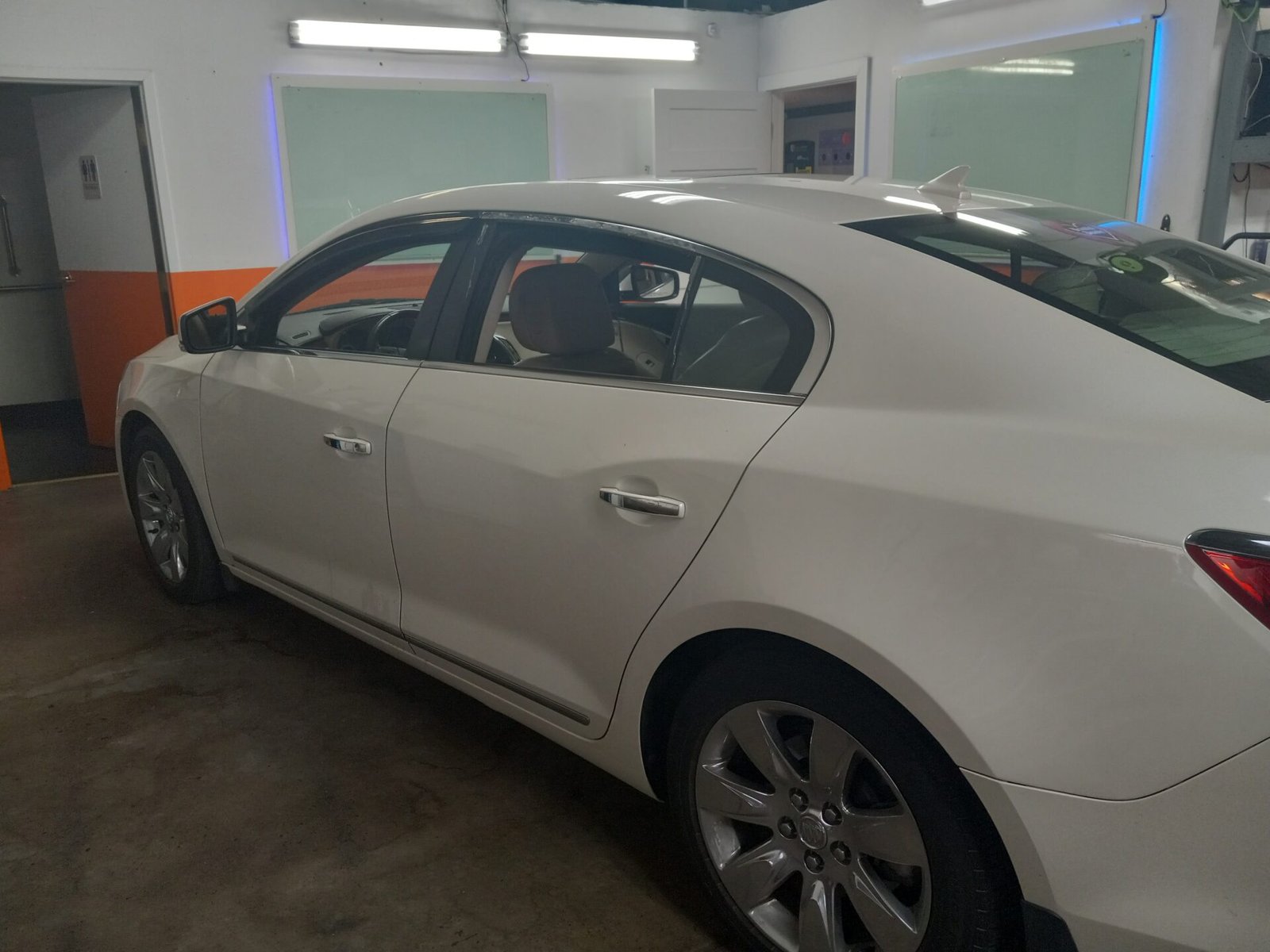
If you’ve been thinking about tinting your car windows, you’re not alone. Automotive window tint keeps your vehicle cooler, reduces glare, and adds privacy—all while improving comfort on the road in Ramsey, Minnesota. It’s one of the smartest upgrades you can make for daily driving.
At Polarizauto, we specialize in professional window tint installation that fits your lifestyle and your car’s needs. Our expert technicians use premium films to block UV rays, enhance style, and make your ride more enjoyable—all with precision and care you can trust.
In this guide, you’ll learn about different tint types, benefits, maintenance, and laws that affect your choice in Minnesota. You’ll discover how the right tint can make your car safer, more efficient, and better protected all year long.
Benefits of Window Tint Automotive
Adding window tint to your car can help protect your skin, keep the inside cooler, and make your vehicle more private and secure. These upgrades bring real improvements to your daily driving experience and vehicle care.
UV Protection and Skin Safety
Window tint blocks a large amount of harmful UV rays from the sun. These rays can cause your skin to burn or age faster, just as if you were outside without sunscreen. With tinting, you reduce your risk of skin damage during long drives or quick trips. Tinting also protects your car’s interior.
UV rays can cause seats, dashboards, and other surfaces to fade and crack over time. This means your car stays looking newer for longer when you use tint.
At our store, we use high-quality films designed to block up to 99% of UV rays. This gives you peace of mind whether you’re parked in the sun or driving down the highway.
Improved Comfort and Temperature Control
Tinted windows help keep your car cooler in hot weather by reducing solar heat inside the vehicle. This means you don’t have to blast the air conditioner as much, which can save fuel and reduce wear on your car’s cooling system.
By cutting down heat buildup, tinting also improves overall comfort for you and your passengers. Your skin and eyes feel less strain without the harsh glare of the sun.
The heat rejection of good window tint can lower the inside temperature by several degrees. This benefit makes a big difference, especially during Minnesota’s summer months.
Privacy and Enhanced Security
Window tint gives you extra privacy by making it harder for people outside to see inside your car. This helps protect your belongings from thieves who might be tempted by visible items on the seats or floor.
Tinted windows can also deter break-ins. When criminals can’t easily see inside, your car becomes less attractive as a target. A trusted provider ensures your tint meets local laws for visibility and darkness, so you get privacy and security without any legal issues.
Types of Automotive Window Tint
When choosing window tint, you want to think about how well it blocks heat, protects against UV rays, and how it looks on your car. Different types offer different levels of privacy, durability, and cost. Some tints can also affect electronic signals or car windows.
Dyed Window Tint
Dyed window tint is the most common and budget-friendly option. It’s made from layers of dyed plastic film that stick to your car windows.
This type mainly blocks some sunlight and cuts glare, making your drive more comfortable. The dye helps give your windows a darker look, which adds privacy, but it doesn’t do much to block heat or UV rays.
Over time, the dye might fade or turn purple under strong sunlight. If you want an affordable way to reduce glare and improve how your car looks, dyed tint is a solid choice. For better heat protection, you might want to explore other tints.
Metalized Window Tint
Metalized window tint uses tiny metal particles to block heat and UV rays. It’s stronger than dyed tint when it comes to protecting your car’s interior from sun damage and keeping the cabin cooler.
This tint also makes your windows more durable and scratch-resistant. Some drivers like that it helps reduce glare while still letting in natural light.
However, the metal can interfere with electronic signals, such as GPS, cell phones, or key fobs. This might cause minor problems with your car’s electronics or devices you use nearby.
If you want strong heat-blocking with extra toughness, metalized tint is a smart pick, but keep in mind the signal issue.
Ceramic Window Tint
Ceramic window tint uses tiny ceramic particles to block heat and UV rays without any metal. It offers some of the best heat rejection and protects you from harmful sun rays very well.
This tint doesn’t affect electronic signals, so your phone and GPS will work just like usual. It also lasts a long time without fading or discoloring.
Ceramic tint gives a clear, sleek look without making your windows too dark. It’s great if you want to keep your car cooler, protect the interior, and maintain good visibility. This type tends to be pricier but is a favorite for people who want high quality and long-lasting protection.
Carbon Window Tint
Carbon window tint combines carbon particles with dyed films to boost heat reduction and privacy. It doesn’t use metal, so it won’t interfere with your car’s electronics or signals.
This tint blocks a good amount of infrared heat and UV rays, helping keep your car interior cooler and safer from sun damage. Carbon tint gives a matte black finish, which many people find stylish and less shiny than metalized types.
It also won’t fade or discolor much over time, making it a durable option. If you want a balance of privacy, heat rejection, and a unique look, carbon tint might be the right choice for you.
Legal Considerations for Window Tint Automotive
When adding window tint to your vehicle, it’s important to know the rules and limits where you live. These laws help keep you safe and avoid fines. Different places have different laws about how dark your tint can be and which windows you can tint.
State and Local Tint Laws
Tint laws vary a lot depending on your state or city. For example, in South Carolina, the front side windows must let in at least 27% of visible light. Other states might have stricter or looser rules. You should always check your local laws before tinting.
Some areas allow a darker tint on rear windows or SUVs, but many have special rules for windshields. These usually only allow tint above a certain line, called the AS-1 line, which is a little above the dashboard.
Following these rules helps avoid having your tint removed or facing fines. Our experts can help you pick a tint that fits your state’s laws while still giving you the privacy and comfort you want.
Understanding Tint Percentages
Tint percentages are about how much light the film lets through, called Visible Light Transmission (VLT). A 27% tint means 27% of outside light passes through the window.
The lower the percentage, the darker the tint looks. Most laws set minimum VLT levels for front windows, but often allow darker tint on back windows and rear windshields.
For example, your front windshield can only have non-reflective tint above the AS-1 line. Knowing these percentages helps you pick a legal tint without guessing. Top professionals measure and apply tint to ensure your car stays comfortable and legal.
Consequences of Illegal Tint
If your tint is too dark or placed on windows where it’s not allowed, you might get a ticket or a fine. Law enforcement can require you to remove illegal tint at your own cost.
Some states might even fail your vehicle inspection because of illegal tint. This can delay your ability to drive legally until you fix the issue. Illegal tint can also reduce visibility, especially at night, increasing risk during driving.
Following the law keeps you safe and avoids extra expenses. Always ask tint experts to help you choose the right product for your area.
Installation Process for Automotive Window Tint
Getting window tint installed on your car takes careful steps to make sure it looks good and lasts a long time. You’ll want to know the pros and cons of doing it yourself or hiring a pro. Also, prepping your windows well and using the right techniques will help avoid bubbles and peeling.
Professional Installation vs DIY
Choosing between professional tinting and doing it yourself is important. Pros know how to cut the film precisely and have the tools to clean and install without mistakes. Professionals also handle tricky curves and corners with skill, so you end up with no bubbles or wrinkles.
DIY can save money, but needs patience and practice. You’ll need items like a spray bottle, squeegee, razor blade, and heat gun. Mistakes like dust under the film or poor cuts can leave you frustrated.
If you want reliable results without stress, trusted companies offer expert installation in Ramsey, MN. They focus on making the process easy for you and delivering a clean finish.
Preparation Steps
Before tinting, cleaning your windows well is key. Any dirt or oils can cause bubbles or stop the tint from sticking properly. Use a good glass cleaner and a microfiber cloth. Remove any stickers or old tint film carefully.
Make sure windows are dry and the working area is dust-free. Some pros pre-cut film digitally to fit your car’s glass size perfectly, saving time. Measure the window surface and trim the tint slightly bigger so you can fix it flush during the install.
Spray a solution of water mixed with a little soap on the inside of your window to help slide the film into place.
Common Application Techniques
When applying tint, the film goes on the inside of your car’s window. You’ll first peel off the backing, then carefully place the sticky side on the glass. Use a squeegee to press out water and air bubbles, starting from the center going outwards. Be gentle but firm to avoid tearing the film.
A heat gun or hair dryer helps shrink the film so it fits snugly around curves. Cut away extra film with a sharp blade at the edges. Take your time—you don’t want rough or uneven edges.
Remember that tint takes a few days to fully dry and stick well, so avoid rolling windows down during this time. If you want a perfect finish and a hassle-free experience, our tinting service provides this level of care with every job.
Maintenance and Care for Window Tint
Taking good care of your window tint helps it last longer and keeps it looking clear. You’ll need to clean it the right way, avoid common mistakes that can cause damage, and use suitable cleaning products. These steps protect the tint and improve your driving comfort.
How Long Does Automotive Window Tint Really Last?
The lifespan of window tint depends on film type, sunlight exposure, and care. According to the International Window Film Association (IWFA), professionally installed, high-quality films can last 10 years or more with proper maintenance.
Ceramic and carbon tints typically outperform dyed films in durability and UV stability, especially in regions with intense seasonal sun exposure.
Cleaning Tips
Wait at least one week before cleaning your newly tinted windows. This gives the tint time to fully stick to the glass. When you do clean, use gentle motions and avoid scrubbing hard. Use a soft cloth, like a microfiber towel, to gently wipe the window.
Avoid paper towels or abrasive materials that can scratch the tint. Clean your windows every two weeks or more often if you drive in dusty areas. Focus on cleaning both the main glass surface and the edges of the tint.
The edges can collect dirt and debris, which may cause peeling over time. Use a damp cloth first, then dry with a clean cloth.
How to Avoid Damage
Keep your windows rolled up as much as possible, especially in the week after tint installation. This stops dirt and dust from getting trapped between the tint and the glass. Avoid using harsh chemicals like ammonia, bleach, or strong solvents. These can cause discoloration or bubbles on the tint.
Don’t use razor blades or sharp tools to remove dirt or stickers; they can tear the film easily. Be careful with heavy impacts near the windows. Car washes with high-pressure water jets can also damage tint, so hand washes are better when your tint is new.
Recommended Cleaning Products
Use mild, ammonia-free automotive window cleaners. These products clean without harming your tint. A mix of two drops of dish soap and 16 ounces of water also works well for regular cleaning. Soft microfiber cloths or rubber squeegees are your best tools.
They prevent scratches and help avoid streaks. For inside surfaces, try tint-safe glass cleaners such as Stoner Invisible Glass. Gentle cleaning protects your investment. Using the right products keeps your tint clear and your view safe while driving.
Choosing the Right Window Tint for Your Car
Picking the right window tint means considering what you need, how well it works, and how much you’re willing to spend. The choices you make will affect your car’s comfort, privacy, and appearance, as well as your compliance with local laws.
Assessing Your Needs
Start by deciding why you want tint on your windows. Is it mainly for blocking UV rays to protect your skin and the car’s interior? Or is privacy your top priority? Maybe you want to reduce the heat inside the car during hot summers.
Also, check your local laws in Ramsey, MN, or Anoka County. Tint darkness rules vary, so make sure your choice follows these rules to avoid fines or having to remove the tint later. Consider how your tint choice fits your car’s style.
Some films come in different shades that can either stand out or blend in nicely. Your choice can also affect visibility at night. Think about safety if you drive a lot after dark.
Evaluating Tint Performance
Not all tints work the same way. You’ll find dyed, carbon, and ceramic films available, each with strengths and weaknesses. Dyed film is cheap and looks good, but blocks less heat and UV rays. Carbon film performs better on heat reduction and won’t fade as quickly.
Ceramic film is the most effective at blocking heat and UV rays, and it doesn’t interfere with electronics like GPS or radios. Think about heat rejection and UV protection first. These will keep your car cooler and protect your skin and the interior from fading.
Budget Considerations
Window tinting prices can range from around $100 to over $600, depending on the film type and vehicle size. The cheapest option might save you money upfront, but could fade or crack sooner.
Investing in higher-quality films, especially ceramic, can pay off because they last longer and perform better. Professional installation avoids costly mistakes you might make trying to do it yourself.
Common Issues and Troubleshooting
When you get your car windows tinted, some common problems can pop up. These usually involve bubbles, peeling, fading, or questions about warranty and replacement. Knowing what to look for and how to fix these issues can save you time and protect your investment.
Bubbles and Peeling
Bubbles often appear when dust or moisture gets trapped between the glass and tint film during installation. This can happen if the window isn’t cleaned well or if the tint wasn’t applied carefully.
Small bubbles may go away after a few days as the film settles. Large or persistent ones can affect your view and appearance. Peeling usually happens at the edges. It can start because of poor surface prep, low-quality tint, or weather exposure.
Peeling makes your tint look worn and can let sunlight in where it shouldn’t. If you see peeling, a quick fix won’t last, so it’s best to contact your installer for a proper re-application.
Color Fading
Over time, window tint can lose its color and turn purple or dull. This color fading is mostly caused by sun exposure and cheap dyes fading faster. When tint fades, it loses its ability to block UV rays and heat effectively.
Choosing a high-quality tint and having it professionally installed helps limit fading. You can also protect your windows by parking in the shade or using sunshades. If your tint starts fading within the first year, check your warranty because some companies cover this issue for a certain period.
Warranty and Replacement
Most quality tint installers offer a warranty, but it’s important to know what it covers. Warranties typically include bubbling, peeling, and fading that happen due to defects, not damage from accidents or improper care.
If you notice any issues during your warranty period, get in touch with your installer quickly. They can inspect your tint and offer repair or replacement. Keep your receipt and warranty info safe. Always follow care tips to avoid voiding your warranty.
| Common Issue | Cause | What to Do | Warranty Coverage? |
| Bubbles | Dust/moisture under film | Wait a few days or get reinstalled | Usually covered |
| Peeling | Poor prep or low-quality tint | Professional re-application | Often covered |
| Color Fading | Sun damage or cheap dye | Use quality tint, limit sun exposure | Usually covered for a time |
| Warranty Concerns | Improper care or accidents | Contact installer with paperwork | Varies by installer |
Window Tint Trends and Innovations
Today’s window tints do more than just darken your car windows. They offer new ways to control light, block heat, and protect your vehicle—all while being kinder to the environment. The latest advances give you more comfort and better protection on the road.
Smart and Switchable Tints
Smart tints let you change the darkness of your windows with the touch of a button. These films use special technology that responds to electric signals to adjust how much light passes through your windows.
You can switch from clear to tinted anytime you want, helping you stay cool when the sun is strong or clear when you need better visibility. These tints also offer privacy on demand and reduce glare.
If you park your car in the sun, smart tints can help cut down heat, keeping the inside cooler. For Minnesota drivers, this means less need for air conditioning and better fuel efficiency.
Eco-Friendly Tint Materials
If you care about your car and the planet, eco-friendly tints might be for you. These materials are designed to block heat and UV rays without harming the environment. Many use nanotechnology or ceramic films that reflect infrared heat while letting in natural light.
These materials don’t fade or change color over time, so your car stays cooler and looks great longer. Plus, they help reduce energy use by cutting the need for air conditioning. Eco-friendly tints meet high-quality standards and provide strong protection without harming the planet.
Drive Cooler And Safer Every Day
Window tinting isn’t just about style—it’s a smart upgrade that protects your skin, preserves your car’s interior, and keeps every drive more comfortable. Whether you want better privacy or reduced glare, tinting adds value and function to your vehicle.
At Polarizauto in Ramsey, MN, our experienced technicians help you choose the best film for your car and apply it with precision. From ceramic to carbon tint, every installation delivers a sleek look, lasting protection, and compliance with Minnesota’s tint laws.
Stay cool, protected, and confident on the road. Reach out for a free quote and experience the difference professional tinting makes.
Frequently Asked Questions
How much does it typically cost to tint car windows?
Tinting usually costs between $100 and $400. The price depends on the film quality and how many windows you want tinted. Professional shops like Polarizauto use high-quality films that last longer.
What are the legal limits for car window tint darkness in different states?
Each state sets its own tint darkness rules. Most states limit tint on front side windows to about 35% Visible Light Transmission (VLT), meaning 35% of light must pass through. Rear windows often allow darker tinting. Check your local state laws before tinting.
What are the benefits of ceramic window tints for vehicles?
Ceramic tints block more heat and UV rays than regular tints. They don’t interfere with electronics or signals and help keep your car’s interior cooler. They also have a clear finish that looks neat while protecting your vehicle.
Are mobile car window tinting services available, and how do they work?
Yes, mobile tinting services come to your home or work to install tint. A professional will bring all the tools needed and apply the film on-site. This saves you time and offers convenience without needing to go to a shop.
How do car window tint percentages translate to visibility?
Tint percentages show how much light can pass through. For example, a 50% tint lets in half the light and balances coolness with visibility. The lower the percentage, the darker the tint and the less visible inside your car.
Is it possible to tint the windows of my vehicle myself with tint rolls?
You can tint windows yourself using tint rolls. It can be tricky to get it right. You need patience, proper tools, and clean surfaces. Mistakes like bubbles or peeling are common.