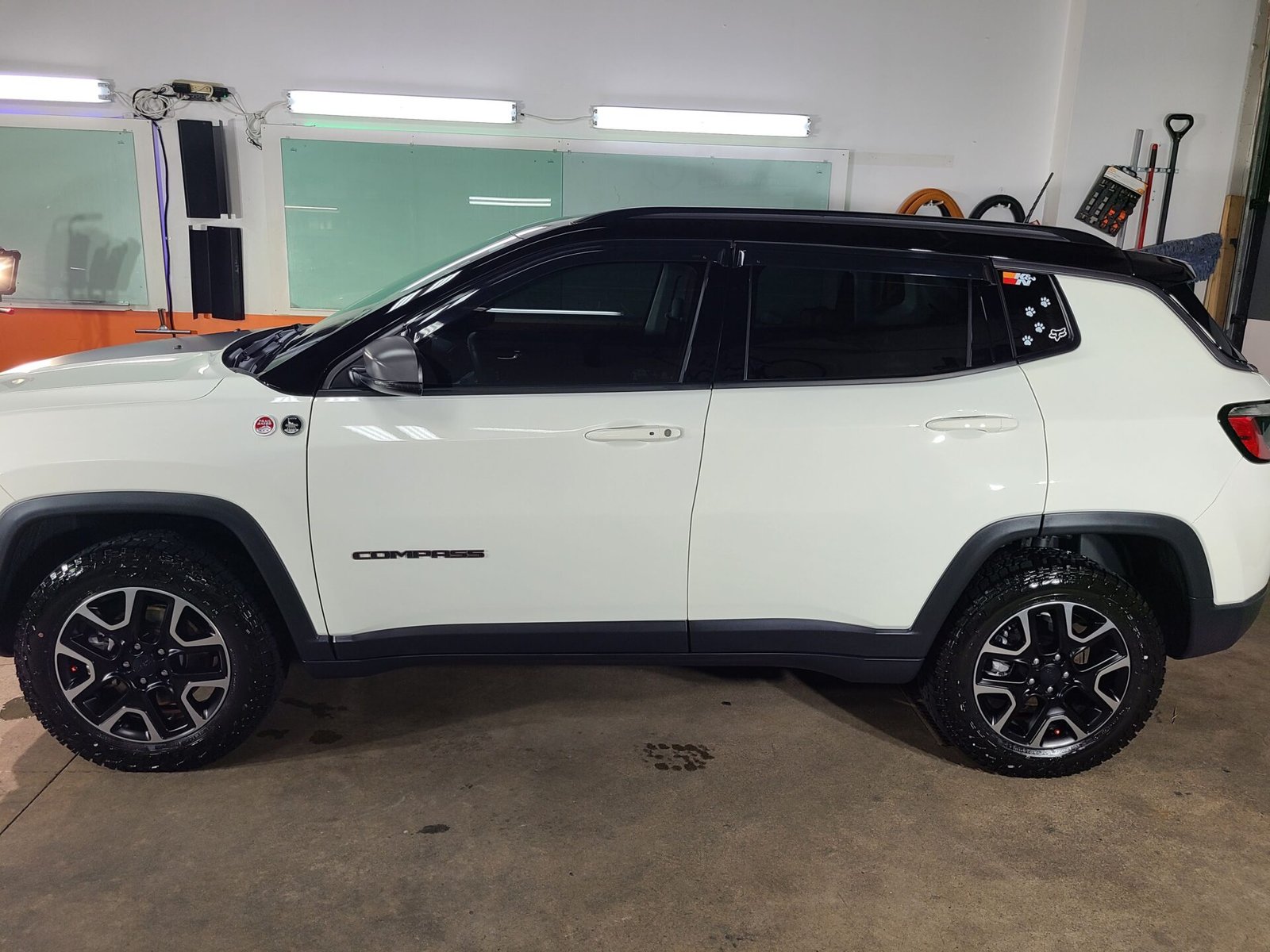
Automotive window tinting protects your car’s interior, improves comfort, and gives your ride a stylish finish. It’s more than an upgrade—it’s a smart way to block UV rays and keep your cabin cool year-round.
At Polarizauto in Ramsey, MN, our tint experts combine advanced films with professional installation for flawless, long-lasting results. We help Minnesota drivers reduce glare, protect interiors, and stay comfortable in every season.
In this article, you’ll learn how tinting works, what types of films fit your needs, and how to keep your windows looking new. You’ll also find tips on care, cost, and choosing trusted experts for the job.
What Is Automotive Window Tint Service?
Automotive window tinting involves applying a thin film to your car’s windows to serve several practical purposes. This service helps reduce heat, block harmful UV rays, increase privacy, and give your vehicle a sleek look.
You’ll find different types of films that vary in material and functionality. Understanding how the tint works can help you choose the right option.
Definition of Window Tinting
Window tinting is the process of putting a special film on the inside of your car’s glass. This film is usually made of polyester and may include layers like dyes or metal particles. When installed, it cuts down on sunlight, glare, and UV radiation that gets inside your car.
For you, this means better protection from sun damage to your skin and vehicle, along with keeping your car cooler. Professional shops handle the installation to ensure a smooth, bubble-free finish that lasts for years.
Types of Window Tint Films
There are a few main types of window tint films to think about:
- Dyed Film: Uses dye to block sunlight and reduce glare. It’s affordable but may fade over time.
- Metalized Film: Contains tiny reflective metal particles that improve heat and UV protection. It’s more durable but can interfere with signals like GPS.
- Ceramic Film: Made from ceramic particles, this type offers top heat rejection without affecting signals. It lasts long and doesn’t fade.
- Hybrid Film: Combines dye and metal layers for a balance of cost, heat rejection, and durability.
Choosing the right film depends on your budget, local laws, and how much heat and UV protection you want.
How Tinting Works
When sunlight hits your car, it carries heat and harmful UV rays. Tint films work by absorbing or reflecting this energy before it gets inside.
This reduces the temperature inside your car and protects your skin and interior materials from damage. Some films reflect light, like metalized tints, while others absorb it, like dyed or ceramic options.
Depending on what film you choose, you can cut heat by up to 60% or block nearly all UV rays. The result is a more comfortable ride, lower cooling costs, and longer-lasting interior parts like your dashboard and seats.
Benefits of Automotive Window Tinting
Window tinting offers more than just a sleek look. It helps you protect your car and yourself from sunlight, reduces annoying glare, and keeps your privacy intact. These practical benefits make driving more comfortable and your vehicle safer.
Enhanced Privacy
Tinted windows make it harder for people outside to see inside your car. This added privacy helps protect your belongings from unwanted attention.
You can feel more secure knowing your valuables and passengers aren’t easily visible. This is especially useful when you park in busy or public areas.
Privacy also means less distraction, as people outside can’t easily peer in or watch what you’re doing. At trusted stores, window tinting is done with high-quality films that keep your cabin private but still maintain good visibility from inside.
Heat and UV Protection
Car window tint blocks a large amount of the sun’s heat and harmful UV rays from entering your vehicle. This can keep your car cooler on hot days, reducing the need for constant air conditioning.
UV rays don’t just cause discomfort—they can also damage your skin and fade your car’s interior. With tint applied, you protect your skin and keep your steering wheel, seats, and dashboard looking newer longer.
Our service uses films that reflect heat and block over 99% of UV rays, which means less sun damage for you and your vehicle.
Glare Reduction
Bright sunlight and headlights can create strong glare that makes driving unsafe. Window tint helps cut down this glare, improving your visibility and reducing eye strain.
With less glare, you can focus better on the road, especially during early mornings, late afternoons, or night driving. This safety feature can prevent accidents caused by temporary blindness or distractions.
The right tint level balances glare reduction without making it hard to see through your windows at night. Our professionals help you choose the perfect tint for clear, safe driving all day long.
Choosing the Right Window Tint for Your Car
Picking the right window tint means balancing how dark you want your tint with what’s allowed in your area. It also involves choosing the shade and material that fits your comfort and style. Knowing these details will help you make a smart choice that protects your car and meets local rules.
Tint Shades and Percentage Levels
Window tint comes in different shades, measured by Visible Light Transmission (VLT) percentage. A lower VLT means a darker tint that lets in less light.
For example:
- 5% VLT: Very dark, often called “limo tint.” Great for privacy, but may reduce visibility at night.
- 35% VLT: Medium tint, balances privacy with good visibility.
- 70% VLT: Light tint, mostly reduces glare and UV rays without much darkening.
Your choice depends on how much heat and sunlight you want to block. Darker tints block more heat and UV, but can make it harder to see in low light.
Legal Tint Limits by Region
Each state or city has different rules about how dark your window tint can be. These laws protect drivers by making sure windows aren’t too dark to see through. In Minnesota, for example, the front side windows usually must allow at least 50% of light through.
Rear windows can often be darker, but it varies by city.
Here are some key points to keep in mind:
- Check local laws first before choosing your tint.
- Failing to follow tint laws can mean fines or having to remove the tint.
- Our team in Ramsey, MN, can guide you on what’s legal so you don’t run into trouble.
Choosing a legal tint protects you and helps maintain your car’s value.
Professional Installation Process
Getting your car windows tinted right means paying attention to every detail, from cleaning to applying the film carefully. This ensures your tint lasts long and looks smooth without bubbles or dirt trapped underneath.
Preparation and Cleaning
Before tint goes on, your windows need to be spotless. Any dust, dirt, or grease can ruin the finish or cause the film to peel.
At the store, we start by cleaning your windows with special glass cleaners and lint-free cloths. This removes all tiny particles and oils that you might not see but can affect how well the tint sticks.
This step also includes checking for any cracks or chips on your glass. Fixing these first prevents damage later. Preparing the workspace dust-free is also key—it helps keep your tint perfect during installation.
Film Application Techniques
Once your windows are clean, the tint film is carefully cut to fit each window’s shape. The film is then sprayed with a special solution that lets you adjust and position it before it sticks completely.
Using tools like squeegees, the installer presses out all air bubbles and excess water. This step takes patience because any trapped air or wrinkles can cause the film to peel or look uneven over time.
Proper curing time after installation is important, too, so avoid rolling down your windows immediately. Following these steps ensures your tint is smooth, durable, and protects your car as expected.
Aftercare and Maintenance Tips
Taking care of your car’s window tint right after installation makes a big difference. How you clean it and protect it from damage will help keep it looking good and working well for years.
Cleaning Recommendations
Use a soft cloth or microfiber towel when cleaning your tinted windows. Avoid rough materials that can scratch the film. Spray a gentle, ammonia-free cleaner on the cloth, not directly on the window. Ammonia can damage the tint over time.
Wipe the glass gently in a circular motion to remove dirt and smudges. Do not use sharp objects or razor blades to clean the inside of the window. These can cause scratches that ruin your tint. Let the windows dry fully before rolling them down. This helps avoid peeling or bubbling, especially right after installation.
Avoiding Tint Damage
Be careful when rolling your windows up and down. Avoid forcing windows if they move slowly, as this can cause the tint to lift.
Park in shaded areas or use sunshades to protect your tint from extreme heat and UV rays, which can weaken the adhesive and cause fading. Avoid using harsh chemicals inside the car near the windows.
Some cleaning sprays, air fresheners, or smoke can damage the tint film. If you notice bubbles, peeling, or fading, contact us for advice. Early care can stop the damage from getting worse and keep your tint looking fresh longer.
Cost Factors for Automotive Window Tint Service
When deciding on window tint for your car, the price often depends on the size of the vehicle and the quality of the tint film you choose. These two factors play a big role in how much you will pay and the results you get.
Pricing by Vehicle Type
The size and style of your vehicle affect the price of window tinting. Larger cars, like SUVs or vans, need more tint film, which usually costs more.
Smaller cars like sedans or coupes require less material, so the price is typically lower. Complex window shapes and extra windows can also add to the total cost.
For example, rear windows with irregular curves or extra small side windows need more skill and time to tint, which increases labor charges. Pricing varies to match your vehicle exactly, ensuring you pay fairly based on the work needed.
Tint Material Quality
Not all tint films are the same. Basic dyed tints are the cheapest but may fade quickly and offer less heat and UV protection.
Higher-quality films, like carbon or ceramic tints, cost more but block more heat and harmful rays. Ceramic tints especially provide better durability and won’t fade over time.
Choosing better tint material means you get longer-lasting protection and comfort. It’s good to think about how much time you spend in your car and what level of protection you want before picking your tint.
Understanding Window Tint Warranties
Many professional tinting services offer warranties covering issues like bubbling, peeling, and fading.
The Consumer Reports automotive team advises reviewing warranty terms carefully. Premium ceramic tints often include lifetime coverage, while budget films may not. A good warranty signals quality materials and expert installation standards.
Common Myths About Window Tinting
It’s easy to get mixed up with some common ideas about window tinting. Some people worry about how tint affects driving or if it might mess with the gadgets in your car. Let’s clear up those concerns and give you facts that matter.
Impact on Visibility
One myth is that window tint makes it hard to see, especially at night. High-quality window tint is designed to reduce glare from the sun without blocking your view. You should still be able to see clearly in normal driving conditions.
Tinted windows can actually help you by cutting down bright sunlight and reflections. This means less squinting and less eye strain during the day. However, a very dark tint can lower visibility in low light, so make sure your tint follows local laws and is not too dark.
Effect on Electronics
Some people believe window tinting can block signals from your phone, GPS, or car key fob. Most modern automotive window tint films are safe and made with non-metallic materials, so they don’t interfere with electronics.
Metallic tints can sometimes cause problems, but these types are less common and not recommended by trusted professionals. If you depend on your electronics inside the car, ask your tinting experts to use non-metallic films to avoid any issues.
Why Choose Professional Services Over DIY
When you tint your car windows yourself, it might seem cheaper or quicker. But professional window tinting gives you better results that last longer.
At a reliable place, experts use high-quality films and tools to make sure the tint fits perfectly without bubbles or wrinkles. DIY tinting can be tricky. You need to clean the windows very well, cut the film just right, and apply it evenly. Mistakes can lead to peeling or damage to your windows.
Professionals have experience and training to avoid these problems. Here’s what you get with professional services:
- Better appearance: Smooth, clean, and bubble-free tinting.
- Stronger protection: High-grade film that blocks UV rays and heat more effectively.
- Long-lasting results: Proper installation means your tint stays put for years.
- Warranty: Many pros offer guarantees on their work, giving you peace of mind.
Choosing a professional saves you time and stress. You won’t need to redo the work or worry about breaking any vehicle rules on tint darkness.
Where to Find Trusted Automotive Window Tint Providers
Finding a reliable place for your car’s window tint is important. You want a shop with skilled professionals who use quality materials and do the job right the first time. Look for local businesses with good reviews and lots of experience.
A trusted provider will offer clear advice on what tint options suit your car and follow state laws on tint darkness. They handle automotive window tinting with care to improve your car’s comfort and protect you from harmful UV rays. When choosing a tint service, check if they offer:
- Expert application for clean, bubble-free results
- Options for privacy, heat reduction, and style
- Local knowledge of Minnesota tint laws and standards
You can ask for estimates and see examples of their work before deciding. Trusted shops will answer your questions clearly and help you understand the benefits of each tint type.
Stay Cool, Protected, and Stylish on Every Drive
Automotive window tinting improves comfort, safety, and your vehicle’s appearance all in one step. It blocks UV rays, reduces glare, and keeps your cabin cooler while extending your interior’s life. With professional installation, your tint lasts for years without peeling, bubbling, or fading. It’s the easiest way to combine function and style in your daily drive.
By using high-quality tint films, Polarizauto protects your skin, your car, and your investment, making every ride more enjoyable. Whether you prefer light or dark shades, professional application ensures the perfect balance of visibility, privacy, and performance.
Ready to protect your car and upgrade your comfort? Book your window tint service in Ramsey today for flawless, professional results that last.
Frequently Asked Questions
Window tinting costs can change based on the type of film, the size of your vehicle, and how dark you want the tint. Tinting offers benefits like reducing heat and protecting your car’s interior, and the whole job usually takes a few hours.
What factors determine the cost of a car window tinting service?
The price depends on the type of tint film, such as metalized or ceramic, which offer different levels of heat and UV protection. Bigger vehicles usually cost more because there is more glass to cover. The darkness or shade of the tint you choose also impacts the price.
How can I find the best window tint services near me?
Look for companies with strong reviews and years of experience, like Polarizauto in Ramsey, MN. It helps to pick a shop that uses high-quality films and offers a warranty. You can also ask about their tint options and how they handle state laws.
What are the legal tint limits for my vehicle in my state?
Tint laws vary by state and often specify how dark or reflective your windows can be. Most states have limits on the front side windows, windshield, and rear windows. Check your state’s rules before tinting to avoid fines.
Can window tinting be done at a car dealership, and is it recommended?
Some dealerships offer tinting, but they may use lower-quality film or charge higher prices. A specialized tint shop often provides better products and more precise application. Getting your tint done by experts helps avoid bubbles and peeling.
What are the benefits of tinting my car windows?
Tinting lowers the heat inside your car by blocking sunlight. It also protects your skin and the car’s interior from UV rays. Tint adds privacy and reduces glare while giving your vehicle a sleek look.
How long does it typically take to tint the windows of a car?
Most tint jobs take between 2 to 4 hours, depending on the size of your vehicle and the number of windows. Waiting a little while after installation helps the film set properly.