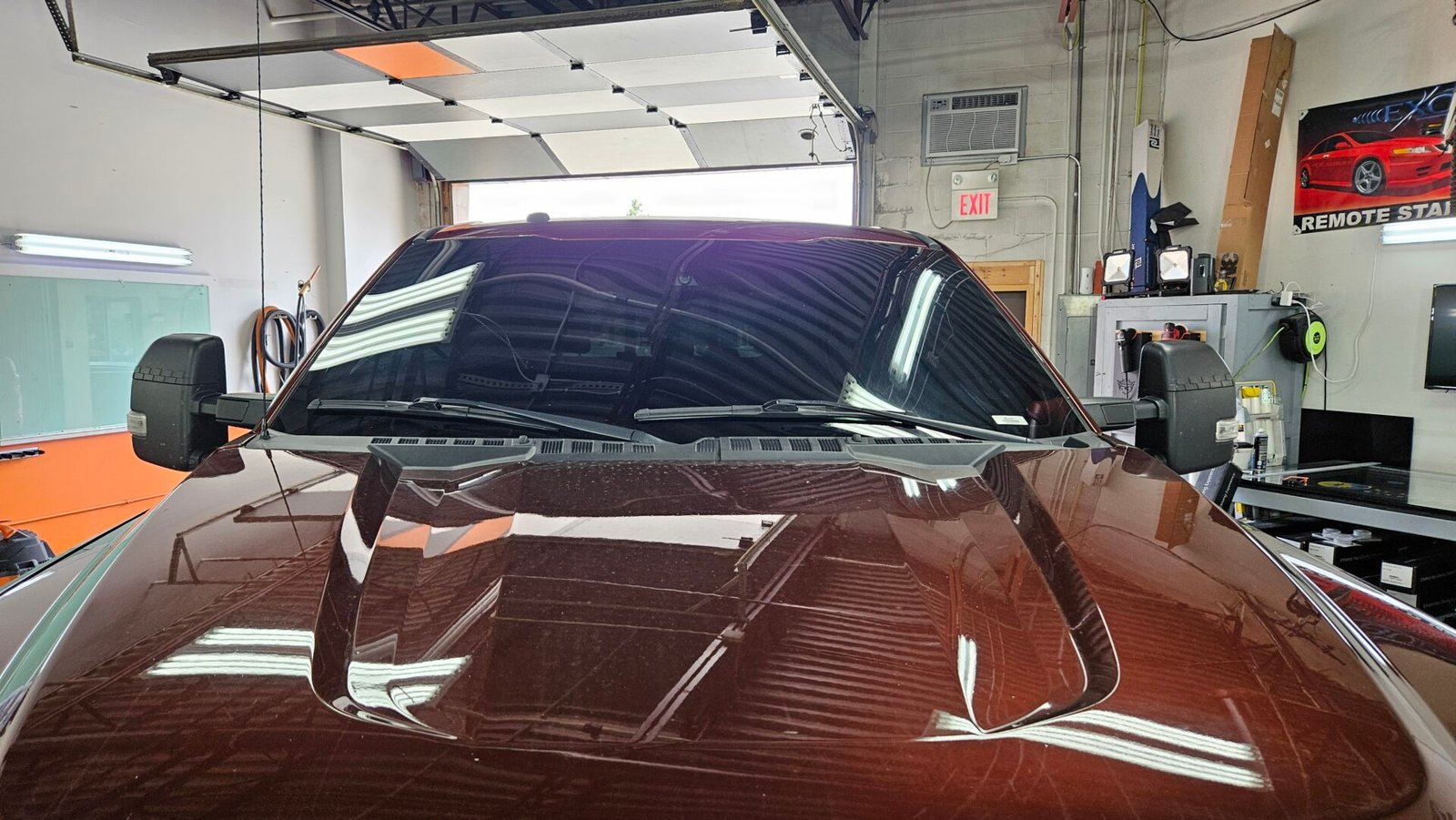
Removing old or damaged automotive window tint doesn’t have to be complicated. With the right tools, patience, and technique, you can safely restore clear visibility while protecting your car’s glass and defrosters.
At Polarizauto in Ramsey, MN, we specialize in clean, safe window tint removal using professional-grade tools and methods. Our goal is to help you avoid the frustration of DIY mistakes like scratching glass or leaving sticky residue behind.
This guide will walk you through every step of automotive window tint removal—from identifying your tint type to choosing the best removal method. You’ll learn when to tackle it yourself and when it’s best to trust the pros for lasting, flawless results.
Understanding Automotive Window Tint Removal
Removing window tint involves more than just peeling off a film. You need to understand the materials used, reasons for removal, and how different types of tint films affect the process. Knowing this helps you protect your vehicle’s glass and avoid costly damage.
What Is Car Window Tint
Car window tint is a thin film applied to your vehicle’s glass to reduce sunlight, block UV rays, and increase privacy. The film is typically made from polyester or a similar durable material with an adhesive backing. This allows the tint to stick firmly, but also makes removal tricky if not done right.
The tint can vary in darkness and reflectivity depending on your choice and local laws. Some films also offer heat reduction or shatter resistance. When installed professionally, tint improves comfort and can protect your car’s interior from fading due to sun exposure.
Why Remove Window Tint
You might want to remove your car window tint if it’s peeling, bubbling, or scratched. Damage like this not only looks bad but also reduces visibility and defeats the purpose of tinting.
Changes in local regulations may require you to remove your current tint to comply with legal limits. Or, you may simply want a different style or level of tint. Removal is also necessary before applying a new film for the best results.
Be careful during removal, especially on windows with defroster lines, as these are fragile and easy to damage. If you’re unsure, trusted professionals can handle removal safely.
Types of Tint Films
There are several types of tint films, each requiring different removal approaches. The most common include:
- Dyed film: Uses a dye layer to absorb sunlight. Its adhesive is generally easier to remove but can fade over time.
- Metalized film: Contains tiny metal particles to block UV rays and heat. It is more durable but may interfere with signals and can be trickier to remove.
- Ceramic film: Uses ceramic particles for superior heat rejection without signal interference. This is the most durable and difficult to take off.
- Hybrid film: Combines dye and metalized layers for a balance between cost and performance.
Knowing your tint type helps you choose the right removal method, such as heat application or special solvents, avoiding damage and residue buildup.
Essential Tools and Materials
To remove automotive window tint effectively, you’ll need a specific set of tools and materials tailored for safe and clean results. These items will help you carefully strip the tint film and adhesive without damaging your glass or surrounding surfaces.
Razor Blade and Scraper Options
A razor blade is essential for cutting through the tint film and lifting it off the glass. Choose a clean, sharp blade to avoid scratching the window. Many professionals recommend using a single-edge razor blade holder for better control and safety.
Plastic scrapers are a safer alternative if you want to minimize the risk of glass damage. These are especially useful when dealing with heated or softened adhesive, as they’re less likely to score or chip the glass. Be sure to inspect your scraper regularly and replace it if worn.
A combination of metal razor blades and plastic scrapers offers flexibility; the razor for precise cuts and the plastic for gentle adhesive removal. Having both on hand improves efficiency and keeps your windows in good shape.
Adhesive Remover and Isopropyl Alcohol
Once the tint is peeled off, sticky adhesive residue remains. Using an adhesive remover designed for automotive glass ensures efficient, residue-free cleanup. Look for products that dissolve adhesive without harming glass or window seals.
Isopropyl alcohol (70% or higher) is a reliable, safe option for cleaning any leftover residue after using adhesive remover. It dissolves oils and fine particles and evaporates quickly, leaving no streaks.
Apply adhesive remover or isopropyl alcohol with a microfiber towel to avoid scratching. Work in small sections, allowing the remover to soak briefly before wiping. This step is critical to restore crystal-clear visibility and prepare the surface for reinstalling tint or driving.
Microfiber Towels and Cleaning Supplies
Microfiber towels are a must-have for every stage of tint removal. Their soft fibers help lift dirt, adhesive, and cleaning agents without scratching the glass. Use them dry for buffing and wet for cleansing with alcohol or adhesive remover.
It’s helpful to have several clean towels on hand to avoid spreading adhesive or dirt. Avoid cotton or abrasive fabrics, which can leave lint or marks behind.
Additional cleaning supplies like glass cleaner and soapy water aid in the final wipe-down process. These ensure your windows are spotless and clear after tint removal. Clean windows also make it easier to spot any missed adhesive spots for targeted cleanup.
Protective Equipment
Protecting yourself during tint removal is important. Safety glasses shield your eyes from flying glass shards or chemical splashes. Gloves—preferably nitrile—protect your hands from harsh adhesives and cleaning chemicals.
They also improve grip when handling razor blades and tough scrapers. Work in a well-ventilated area to avoid inhaling fumes from adhesive removers or solvents. Using a respirator mask can add extra protection, especially when dealing with strong chemicals.
Wearing long sleeves protects your skin from scratches and exposure to chemicals, ensuring your tint removal project proceeds safely and smoothly. Based in Ramsey, MN, our professional-grade tools and safety practices ensure clean, damage-free tint removal for your vehicle.
Methods for Removing Window Tint
Removing window tint can be done using a few effective techniques, each with its own tools and time requirements. Some methods focus on loosening the adhesive through heat, while others use chemical softening combined with manual scraping. Understanding these will help you choose the best approach for your vehicle.
Is Heat or Solvent Better for Tint Removal?
While both heat and solvent methods can remove tint, the U.S. Environmental Protection Agency (EPA) notes that heat-based techniques produce less chemical waste and are safer for at-home use. Solvent-based products should be used only in well-ventilated areas to avoid harmful fume buildup.
Understanding the pros and cons of each method helps you choose a safer, cleaner way to remove window tint that fits your experience level.
Heat Gun and Steamer Technique
Using a heat gun or steamer is one of the most efficient ways to remove window tint. The heat softens the adhesive, making the tint film easier to peel off without leaving residue or damaging the glass.
To start, warm the window evenly with a heat gun set to a moderate temperature or hold a steamer close to the surface. Avoid overheating, which could crack windows or warp seals. Once heated, carefully lift a corner of the tint using a sharp edge like a razor blade.
Peel the tint slowly at a steady angle, applying heat as needed to keep the adhesive pliable. This technique works well on most automotive window tints and leaves less sticky residue behind for easier cleanup.
Soap and Scrape Method
This method involves soaking the window tint with soapy water and then scraping it off. It’s effective if you don’t have a heat source handy, though it typically takes longer.
Mix a few drops of dish soap in warm water and spray the solution liberally over the tint. Let it sit for several minutes to weaken the adhesive bond. Use a razor blade or plastic scraper to lift the edges of the tint.
Continue wetting and scraping in sections to prevent scratching the glass. The soapy water lubricates the scraper for smoother removal and reduces the chance of damage. After peeling, clean leftover adhesive with glass cleaner or an adhesive remover.
Ammonia and Sunlight Approach
This approach uses ammonia to break down the adhesive, combined with sunlight to activate the chemical action. It requires patience and careful handling of ammonia fumes.
Spray a generous layer of ammonia on the tint and cover the window with a plastic bag to hold in the vapor. Park the vehicle in direct sunlight, which heats the window and enhances the effectiveness of the ammonia.
After 30–45 minutes, the tint should peel away more easily. Use a razor blade to lift the edges and remove remaining film. Because ammonia can be harsh, wear gloves and ensure proper ventilation during this process.
If you want a hassle-free experience, reliable services can perform precise window tint removal with specialized tools. This ensures your windows stay intact and clean without stress.
Step-by-Step Guide to DIY Window Tint Removal
Removing window tint yourself requires careful preparation, the right tools, and patience. You’ll focus on clearing the tint film without damaging your glass, then removing leftover adhesive, and finally cleaning the windows thoroughly for a polished finish.
Preparing the Area
Start by parking your vehicle in a well-ventilated, shaded space. This helps prevent the tint adhesive from becoming overly sticky or brittle during the removal process. Gather tools like a razor blade, plastic scraper, spray bottle, adhesive remover, and microfiber towels before you begin.
Cover the interior areas near the windows to protect your upholstery and trim from adhesive remover sprays and debris. Spray the window generously with hot water or soapy water and allow it to soak for several minutes. This softens the adhesive and makes peeling easier.
Be especially cautious if your car windows have defroster lines, as excessive pressure or sharp blades can easily damage them. Use smaller, gentler tools in these areas to avoid costly repairs.
Peeling and Scraping the Tint
Begin at a corner of the window by lifting the tint film slowly with your fingers or a plastic scraper. Avoid using metal tools initially to prevent scratching. Once you have a good edge, carefully peel the tint away at a steady pace, applying more heat or soapy water if it resists.
If the tint film won’t peel off easily, warm it using a hair dryer or heat gun on a low setting to loosen the adhesive. Be sure to keep the heat moving to avoid glass damage.
After peeling off most of the film, use a razor blade scraper at a shallow angle to remove any stubborn pieces stuck on the glass. If your vehicle has defroster lines, skip the blade here and rely solely on a plastic scraper.
Removing Adhesive Residue
Once the tint film is off, you’ll find sticky adhesive left on the glass. Spray an adhesive remover or rubbing alcohol (isopropyl alcohol works well) onto the residue. Let it sit for a couple of minutes to break down the adhesive.
Use a microfiber towel combined with a plastic scraper or razor blade to gently scrape off the dissolved adhesive. Repeat the process for tough spots, but avoid aggressive scraping to prevent scratches.
For best results, work in small sections so the adhesive remover does not dry out. This step may take time, but it is crucial for restoring clear, streak-free windows.
Cleaning and Finishing Touches
After all adhesive is removed, clean the windows thoroughly using glass cleaner and microfiber towels to remove any leftover residue and streaks. Wipe the edges and corners carefully. Inspect the windows for scratches, residue, or damage to defroster lines.
If you notice any issues, consider consulting a trusted local professional for repair or tint removal services. Your windows should now be clear and smooth, ready for new tint installation or simple improved visibility.
Keeping your tools clean and organized during the process will make future DIY projects easier and safer.
Professional Window Tint Removal Services
Removing window tint from your car requires care to avoid damage and ensure a smooth transition if you plan to reapply tint later. Choosing the right approach will protect your vehicle’s glass, defroster lines, and overall appearance.
When to Choose a Professional Service
You should consider professional window tint removal if your existing tint is old, peeling, or damaged. Also, if you’ve moved to a state with stricter tint laws or want to update your car’s look, a professional service ensures safe removal without risking damage to your windows.
DIY removal can be time-consuming and might harm the glass or defroster wires, especially on rear windows where delicate heating elements exist. If you want to avoid bubbling or incomplete removal that can affect new tint application, expert service is the safer choice.
Benefits of Professional Window Tint Removal
Professional removal helps you avoid scratches, adhesive residue, and damage to defroster lines. Experts use specialized tools and solvents designed to break down tint film cleanly and efficiently. This prevents issues like bubbling or fading when a new tint is applied.
A trained technician will complete the job faster, usually within 1-3 hours, depending on vehicle size and tint condition. This service also comes with a guarantee that all old film traces are fully removed, giving you a fresh surface for new tint or simply clear windows.
We offer this stress-free service in Ramsey, MN, ensuring your tint removal is handled precisely and carefully.
What to Expect from a Window Tint Removal Service
When you bring your car in, a professional service will first assess the type and condition of the existing tint. Removal involves softening the adhesive using steam, heat, or chemical solvents, then carefully peeling the film off.
The process includes cleaning residual adhesive from the glass to prepare for a smooth, new tint application if desired. Professionals take special care of rear windows to avoid damaging defroster lines, which can be costly to repair.
Expect clear communication about timing and pricing before work begins. Our team focuses on delivering a hassle-free experience by combining advanced techniques with customer-friendly service. This ensures your car’s windows come out flawless and ready for the next step.
Aftercare and Preventing Future Issues
Proper care after removing window tint is essential to avoid damage and prepare your vehicle for a new film if you choose to reapply. Regular inspection and specific cleaning methods help maintain the integrity of your windows and prevent future problems with tinting.
Inspecting for Damage
After tint removal, carefully check your windows for any adhesive leftover, scratches, or damage to defroster lines if your rear window has them. Adhesive residue can trap dirt and lead to bubbling or peeling when a new tint is applied.
Use a mild adhesive remover and a plastic scraper to gently clean the glass surface. Avoid using metal scrapers that can scratch the window or defroster lines.
Look for chips, cracks, or cloudiness caused during removal. Address these issues promptly to avoid costly repairs later. If you notice damage to defroster lines, professional repair is recommended to maintain rear window functionality.
Cleaning and Glass Maintenance
Use a microfiber towel combined with a gentle, ammonia-free window cleaner to avoid damaging your car window tint or the glass itself during cleaning. Avoid harsh chemicals or high-pressure water directly on edges, as they can weaken window seals or tint adhesive.
Clean your windows regularly to prevent the buildup of dirt and dust that can degrade the new tint’s appearance and lifespan. Be sure to dry the surface thoroughly after each wash to avoid water spots.
If you notice any smudges or spots after cleaning, use a fresh microfiber cloth to buff gently. This routine keeps your glass smooth and ready for a flawless tint application.
Tips for Future Window Film Installation
When applying new window film, ensure the glass is completely clean and free of any residue from previous tints. Even small particles can affect the adhesive, leading to bubbles or peeling.
Work with a trusted service where professionals use the right tools and techniques to ensure a smooth, long-lasting tint installation. Proper curing time is crucial—avoid rolling down windows or washing your car for at least 48 hours after installation.
Choosing high-quality window film reduces the chance of fading and cracking over time. Ask about films with UV protection to improve comfort and protect your interior. Taking these steps helps you get the best value and look from your tinting investment.
Restore Clarity With Professional Tint Removal
Removing old or damaged tint can transform your vehicle’s appearance and visibility. Whether you’re preparing for a new film or simply want clean, streak-free glass, proper tint removal ensures your windows stay in great shape without risk of damage.
With Polarizauto in Ramsey, MN, you can count on safe, precise tint removal handled by trained professionals. Our technicians use advanced tools to protect your glass, defrosters, and seals—leaving your car ready for a flawless new tint or a fresh, polished look.
Ready to clear away old tint and restore your car’s shine? Book your window tint removal in Ramsey today and experience stress-free results that last.
Frequently Asked Questions
What is the best method for removing automotive window tint?
The heat and peel method is often the easiest for DIY tint removal. Applying heat softens the adhesive, allowing you to peel the film without much damage. For tougher tints, using a steamer or adhesive remover after peeling works well to clear any residue.
What tools are necessary for DIY window tint removal?
You’ll typically need a heat source like a heat gun or hairdryer, a plastic scraper or razor blade, and adhesive remover or soapy water. A microfiber cloth is helpful to clean windows afterward, ensuring no film bits or glue remain.
What techniques are effective for removing window tint residue?
Using an adhesive remover spray or rubbing alcohol combined with gentle scraping removes sticky residue efficiently. Steaming the window can loosen the adhesive, making it easier to wipe clean without scratching the glass.
Can window tint be removed without damaging the window?
Yes, if you avoid metal scrapers on delicate glass areas, especially around defroster lines, and use heat to soften the tint, you minimize risk. Patience and the right tools, like plastic scrapers and adhesive solvents, help protect your window’s integrity.
What is the typical cost range for professional car tint removal services?
Professional removal prices usually range from $75 to $150, depending on vehicle size and tint complexity. Additional cleaning or adhesive removal may increase costs slightly.
Is it advisable to have window tint removed professionally, and why?
Having tint removed by experts like those at Polarizauto ensures safe and thorough removal without harming your window or defroster systems. Professionals offer a faster, less stressful process with specialized tools and knowledge, especially for complex or adhesive-heavy jobs